
Encyclopedic Reference
A History of Aviation
From the Wright brothers' 12-second flight at Kill Devil Hills to fifth-generation stealth fighters and autonomous drones. Twelve decades of powered flight, told through the 56 aircraft documented in the Skies Heritage archive.
Contents
The Dawn of Flight
Twelve seconds that changed everything
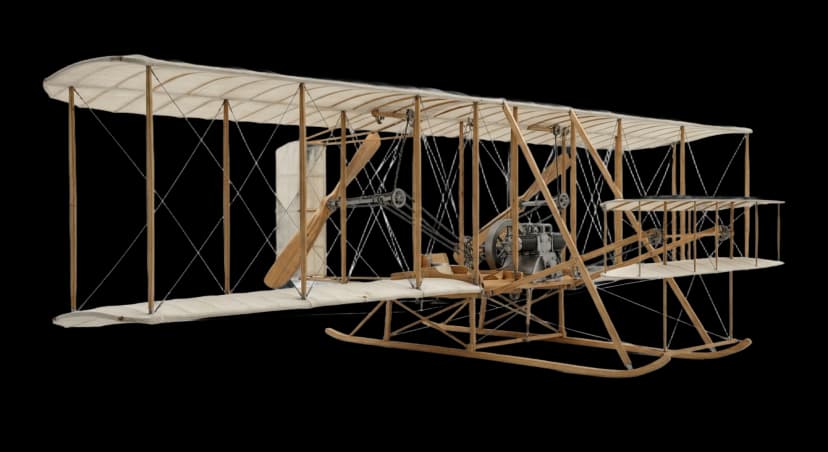
On 17 December 1903, at Kill Devil Hills near Kitty Hawk, North Carolina, Orville Wright flew the Wright Flyer for 12 seconds and 36.5 meters. It was the first sustained, controlled, powered heavier-than-air flight in history. The aircraft was a biplane with a 12-horsepower engine, chain-driven twin propellers, and a wingspan of 12.3 meters. It weighed 274 kilograms.
The Wrights had solved the problem that defeated everyone before them: control. While others focused on stability and power, the Wright brothers developed wing warping for roll control, a moveable rudder for yaw, and a forward canard for pitch. They built their own wind tunnel and tested over 200 wing shapes. They understood that an airplane was not a boat in the sky but a machine that required active piloting.
Within a decade, aviation exploded. Louis Bleriot crossed the English Channel on 25 July 1909. Seaplanes, monoplanes, and multi-engine aircraft appeared. The first aerial bombing occurred in Libya in 1911. By 1914, aircraft were still fabric-and-wire contraptions with top speeds under 130 km/h, but they had already demonstrated something that military planners could not ignore: the ability to see behind the enemy's lines.
“For some years I have been afflicted with the belief that flight is possible to man.”
Wilbur Wright, 1900
Key Moments
The First Air War
Canvas, wire, and the birth of air combat
When war began in August 1914, aircraft were used for reconnaissance. By 1918, they were weapons platforms that could determine the outcome of battles. The evolution was staggering: in four years, aircraft went from unarmed observation platforms to dedicated fighters, bombers, and ground-attack machines. Top speeds doubled. Ceiling tripled. Purpose-built engines replaced adapted automotive units.
The Fokker Eindecker, armed with a synchronized machine gun that could fire through the propeller arc, gave the Germans air superiority in 1915. The Allies responded with the Nieuport 17 and the Sopwith Camel. The Camel, despite being notoriously difficult to fly (its rotary engine's gyroscopic effect made right turns dangerous), shot down more enemy aircraft than any other Allied type: 1,294 confirmed victories.
The Fokker Dr.I triplane, forever associated with Manfred von Richthofen (the Red Baron), was highly maneuverable but produced in small numbers. Richthofen scored 80 aerial victories before being killed on 21 April 1918. By war's end, the fighter pilot had become a new kind of hero, and aviation had proven itself indispensable to modern warfare.
Strategic bombing also emerged. Gotha bombers struck London in daylight raids in 1917, killing civilians and provoking public outrage. The concept that airpower could reach beyond the front lines to strike at the enemy's homeland was now demonstrated. It would shape military doctrine for the next century.
“Fight on and fly on to the last drop of blood and the last drop of fuel, to the last beat of the heart.”
Manfred von Richthofen, 1918
Key Moments
Featured Aircraft
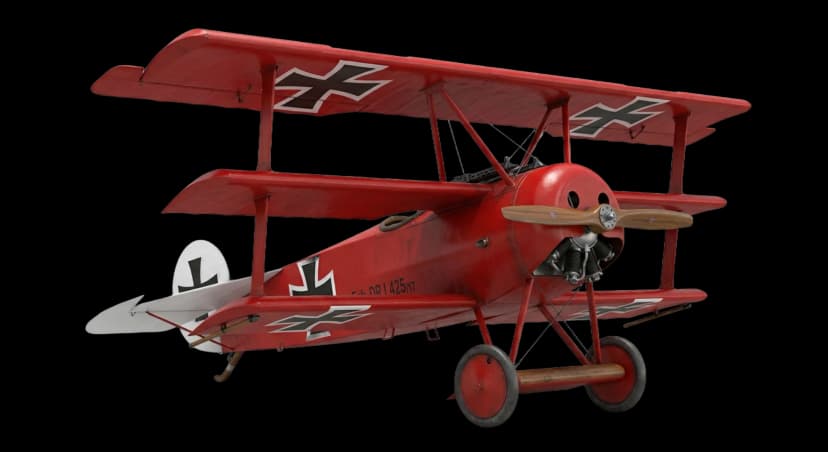
The iconic triplane of WWI, forever associated with the Red Baron. Its exceptional maneuverability made it a feared dogfighter.
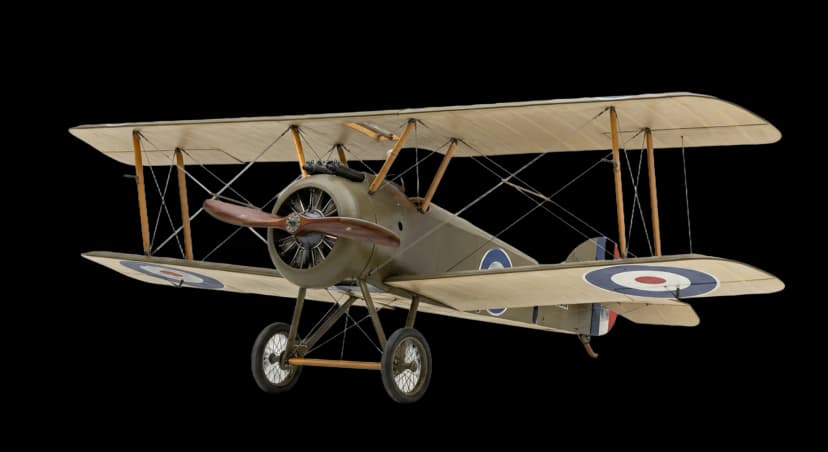
The top-scoring Allied fighter of WWI with 1,294 aerial victories. Its rotary engine torque made it deadly in the right hands.
The Golden Age
Atlantic crossings, speed records, and the modern airliner
The interwar years transformed aviation from a military novelty into a global industry. Charles Lindbergh flew solo across the Atlantic on 20-21 May 1927, covering 5,810 kilometers in 33.5 hours aboard the Spirit of St. Louis. Amelia Earhart followed as the first woman to fly solo across the Atlantic in May 1932. These flights captured the public imagination and drove investment in commercial aviation.
Aircraft design evolved rapidly. The transition from biplanes to monoplanes, from fabric to metal construction, from fixed to retractable landing gear, and from open cockpits to enclosed cabins all occurred in this period. The NACA cowling, developed at Langley, reduced drag on radial engines by up to 60%. Variable-pitch propellers improved efficiency across speed ranges.
The Douglas DC-3, first flying in 1935, became the aircraft that made commercial aviation economically viable. It could carry 21 passengers at 207 mph with a range that could cross the United States with only three fuel stops. Before the DC-3, airlines could not make money carrying passengers alone; they depended on mail contracts. The DC-3 changed that equation. By 1940, DC-3s carried 80% of all US airline passengers.
Training aircraft like the de Havilland Tiger Moth (1931) became the standard by which an entire generation of pilots learned to fly. Simple, forgiving, and affordable, the Tiger Moth trained over 8,000 pilots for the RAF alone. Its design philosophy prioritized one thing above all: teaching students to fly without killing them.
“Aviation is proof that given the will, we have the capacity to achieve the impossible.”
Eddie Rickenbacker, 1930s
Key Moments
Featured Aircraft
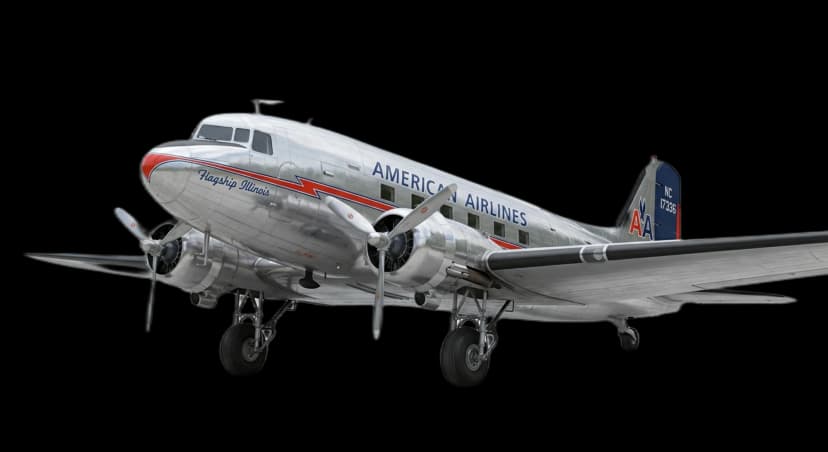
Made commercial aviation profitable for the first time. Over 16,000 built, it remains the most influential transport aircraft ever made.
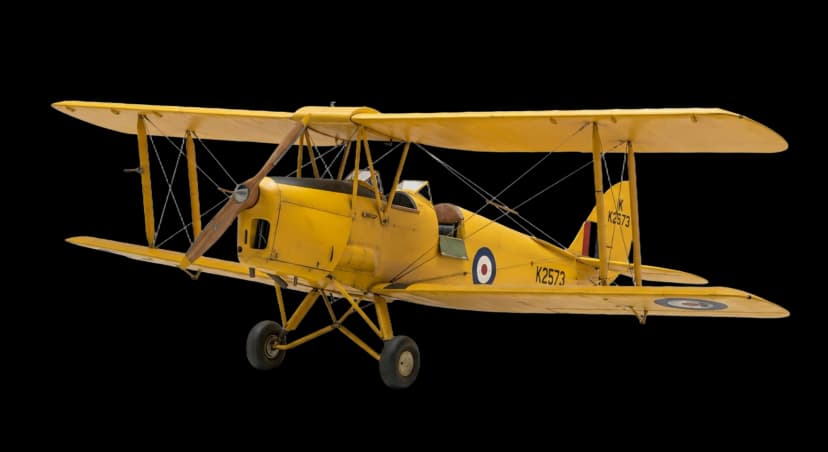
The biplane that trained a generation of WWII pilots. Virtually every RAF, RAAF, and RCAF pilot learned to fly in a Tiger Moth.
The Second World War
Six years that produced more aircraft than any era before or since
World War II was the crucible of modern aviation. Between 1939 and 1945, the major powers produced approximately 790,000 military aircraft. The United States alone built over 300,000. Aircraft performance doubled and then doubled again. At the war's start, the fastest fighters topped 550 km/h. By its end, the Messerschmitt Me 262 jet fighter reached 870 km/h.
The Battle of Britain (July-October 1940) was the first major military campaign fought entirely by air forces. The Supermarine Spitfire and Hawker Hurricane, outnumbered but aided by radar and the home-field advantage of short sortie times, defeated the Luftwaffe's attempt to gain air superiority over England. The Spitfire, designed by R.J. Mitchell, combined an elliptical wing with a powerful Rolls-Royce Merlin engine. It was so adaptable that it remained in front-line service throughout the war, its engine power growing from 1,030 to over 2,050 horsepower across variants.
The Messerschmitt Bf 109 was the most-produced fighter aircraft in history, with over 34,000 built. Its opponent over Western Europe, the North American P-51 Mustang, transformed the air war when fitted with a Rolls-Royce Merlin engine. The P-51D had the range to escort B-17 bombers from England to Berlin and back, a capability that broke the Luftwaffe's ability to defend German airspace.
In the Pacific, carrier aviation defined the conflict. The Mitsubishi A6M Zero dominated the early war with its extraordinary range and maneuverability, but its lack of armor and self-sealing fuel tanks became fatal liabilities as American pilots learned to exploit its weaknesses. The Grumman F6F Hellcat, designed specifically to counter the Zero, achieved a 19:1 kill ratio.
The de Havilland Mosquito, built primarily from wood to conserve strategic materials, proved that speed could be its own defense. It served as a fighter, bomber, pathfinder, photo-reconnaissance platform, and night fighter. The B-29 Superfortress, with its pressurized cabin, remote-controlled gun turrets, and 5,600 km range, was the most technologically advanced bomber of the war and the aircraft that dropped the atomic bombs.
On 18 July 1942, the Me 262 became the first jet aircraft to fly. By April 1945, it was in combat, 200 km/h faster than anything the Allies had. It came too late and in too few numbers to change the war's outcome, but it pointed unmistakably toward the future.
“Never in the field of human conflict was so much owed by so many to so few.”
Winston Churchill, 1940
Key Moments
Featured Aircraft
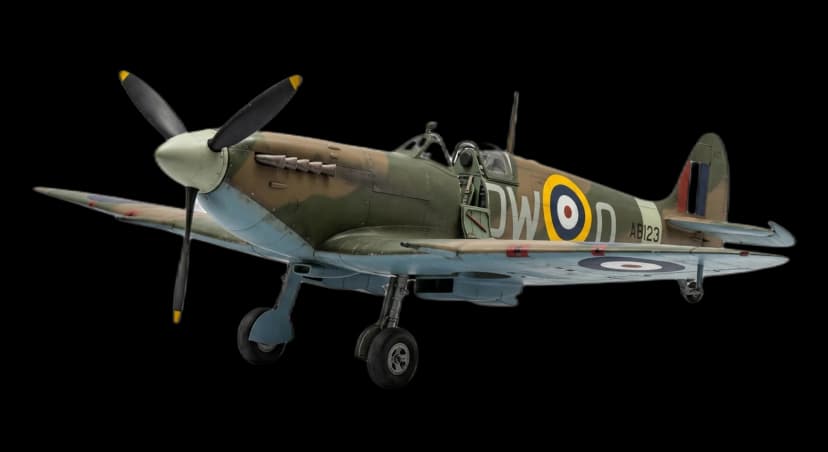
Its elliptical wing and Merlin engine made it the symbol of the Battle of Britain and arguably the most celebrated fighter aircraft ever built.
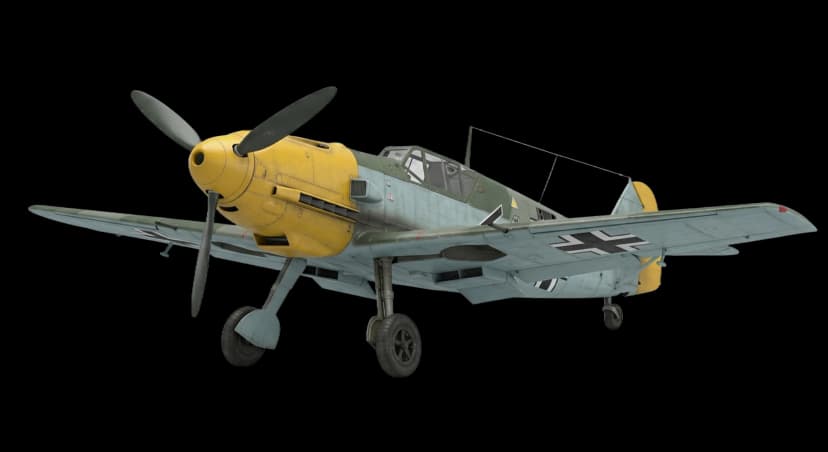
The most-produced fighter in history with over 34,000 built. It pioneered all-metal monocoque construction with retractable landing gear in fighters.
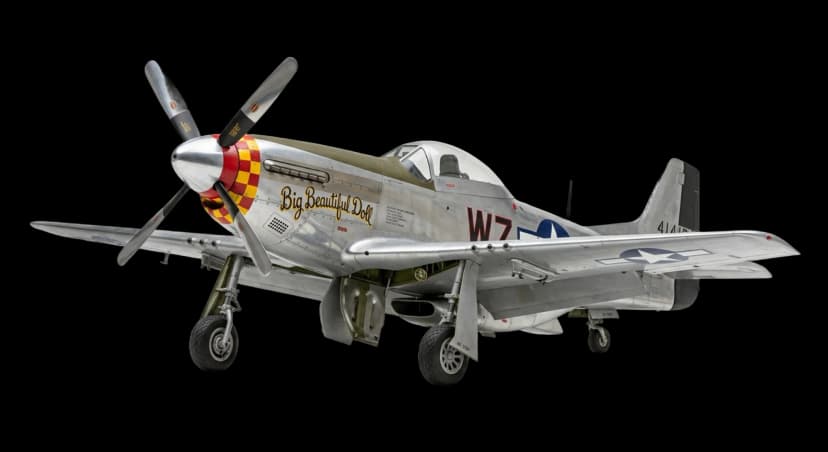
The laminar-flow wing and Merlin engine marriage created the war's best all-round fighter, enabling long-range bomber escort that won air superiority over Europe.
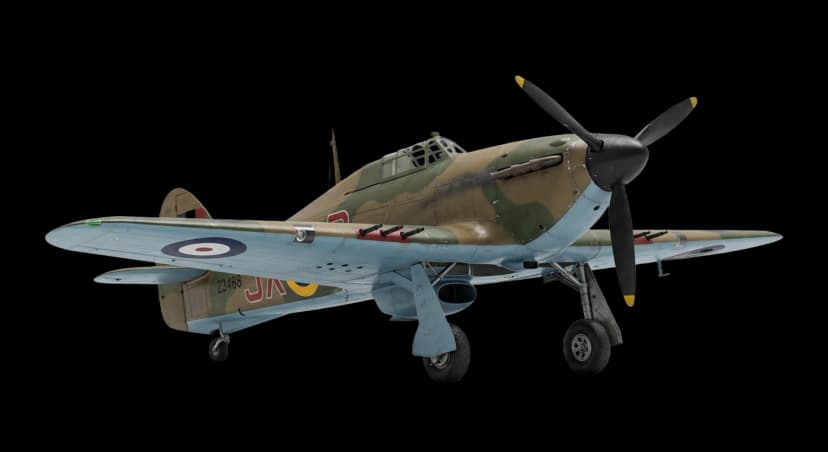
The unsung hero of the Battle of Britain, responsible for more kills than the Spitfire. The Hurricane bore the brunt of the Luftwaffe onslaught.
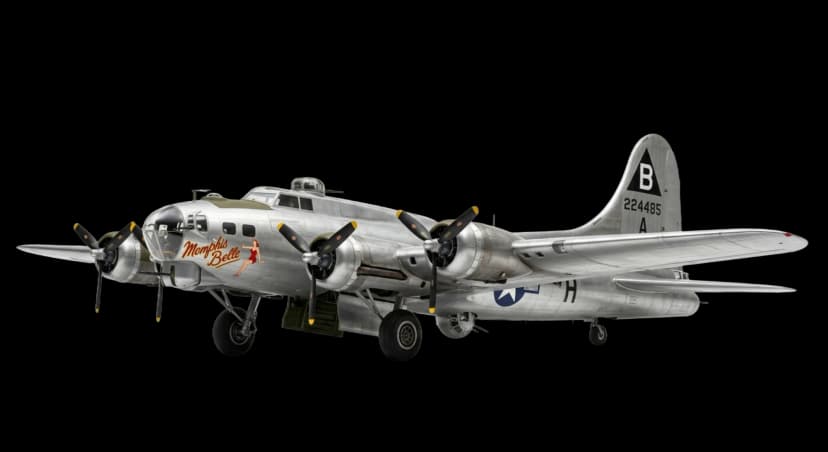
Defined the concept of strategic daylight precision bombing and became the iconic symbol of the American air campaign over Europe.
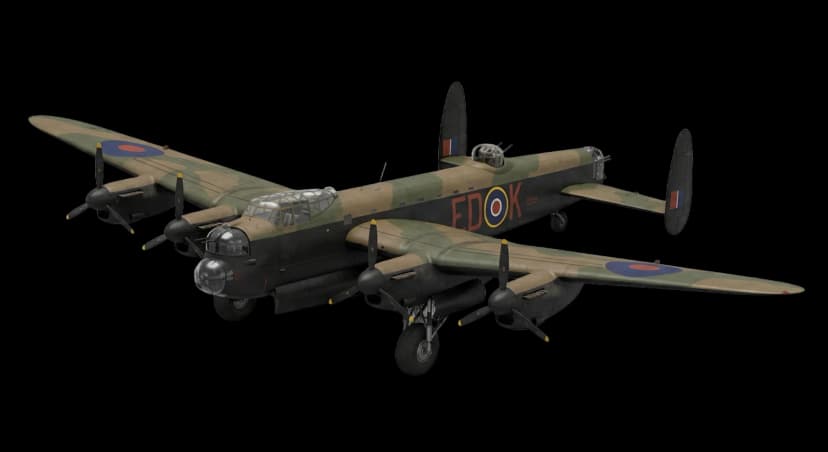
The RAF's principal heavy bomber, it carried the heaviest bomb loads of any WWII aircraft including the 22,000-lb Grand Slam, and carried out the legendary Dambusters raid.
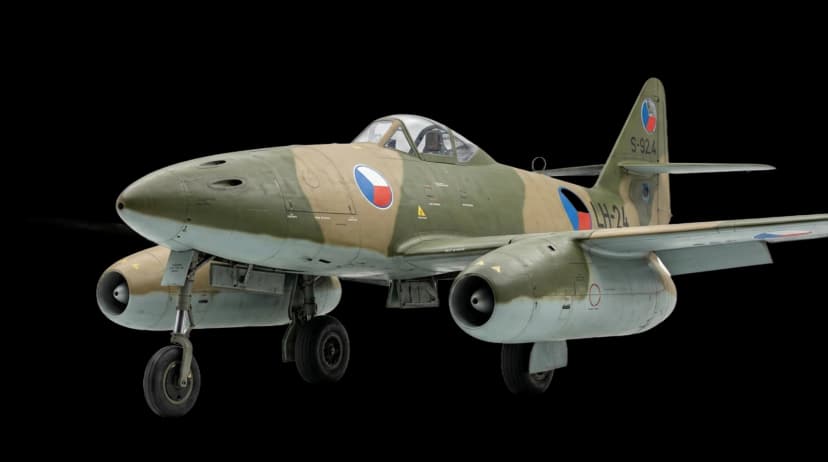
The world's first operational jet fighter. It was 100 mph faster than any Allied fighter and proved jet propulsion's military viability.
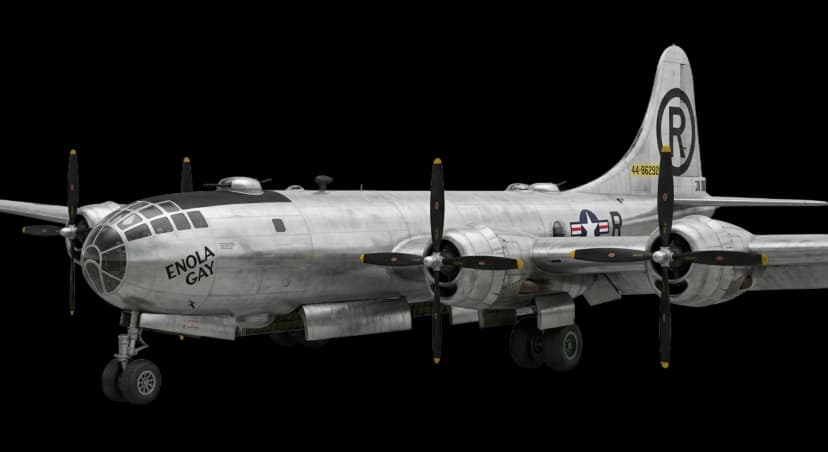
The aircraft that ended WWII by dropping atomic bombs on Japan. The most technologically advanced bomber of its era.
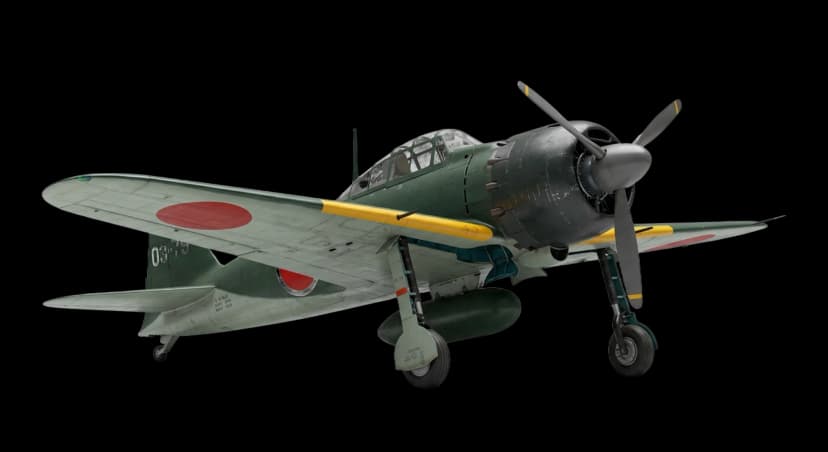
Japan's legendary naval fighter that dominated the Pacific in early WWII. Its extraordinary range and agility shocked the Allies.
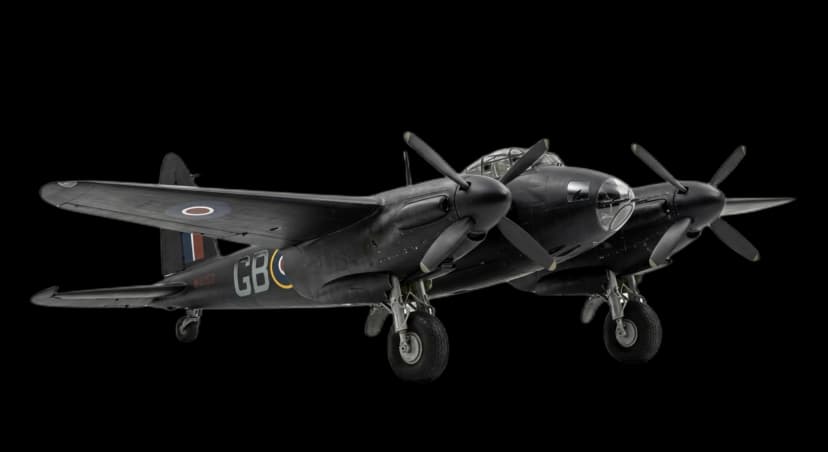
The Wooden Wonder, a high-performance multi-role combat aircraft built primarily of wood, proving unconventional materials could outperform metal designs.
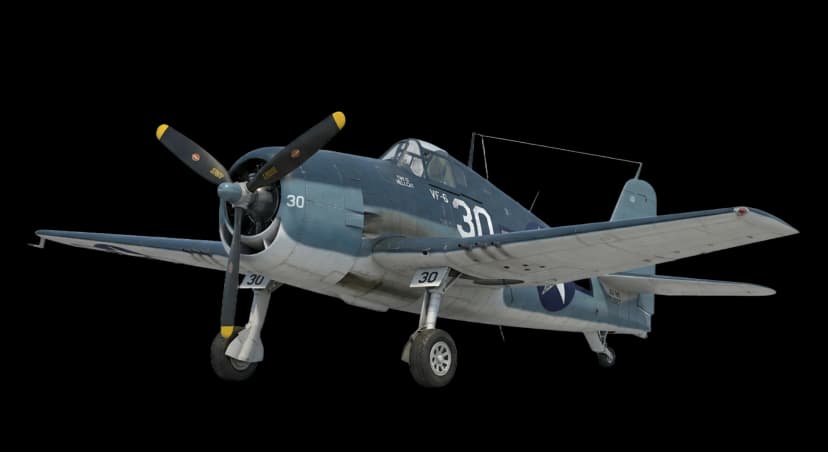
The ace-maker of the Pacific War. The Hellcat destroyed more enemy aircraft than any other Allied naval aircraft, with an astonishing 19:1 kill ratio.
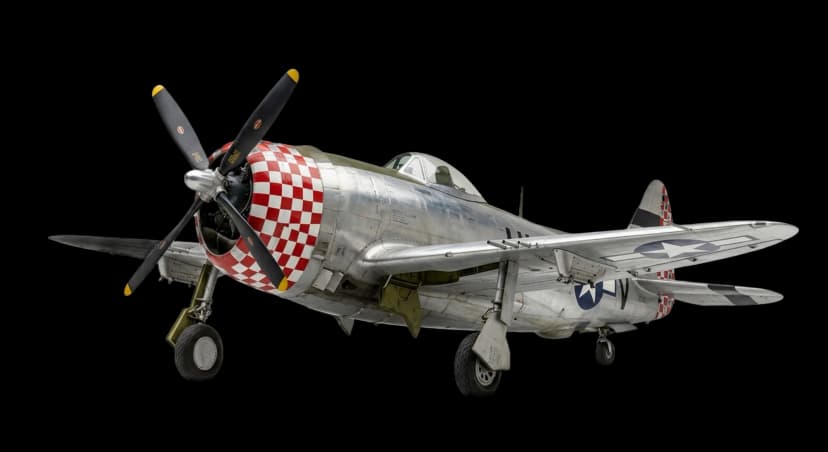
The heaviest single-engine fighter of WWII and a devastating ground-attack platform. The Jug was beloved for bringing its pilots home.
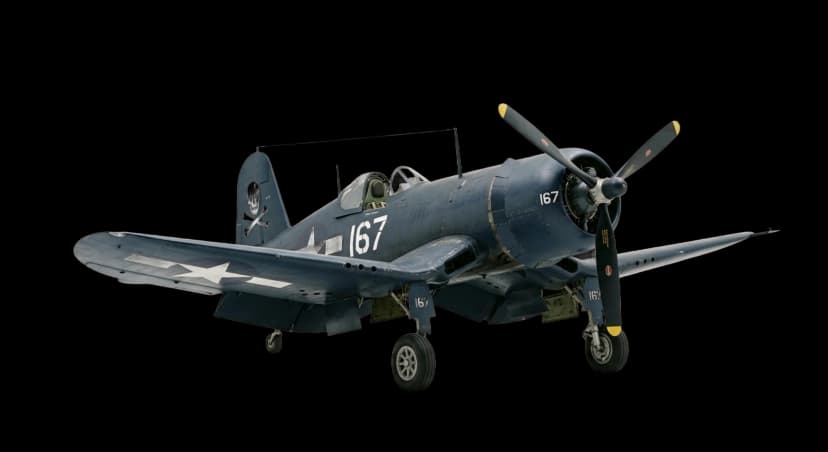
The bent-wing bird of WWII, with an 11:1 kill ratio in the Pacific. One of the longest-serving piston fighters in history.
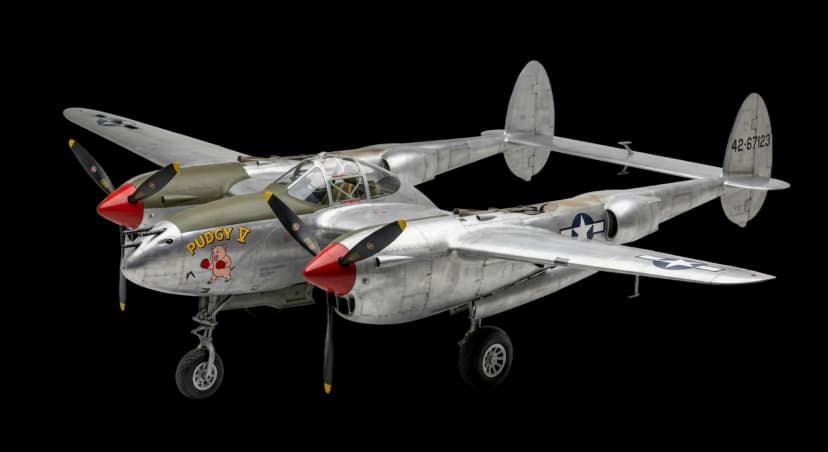
The fork-tailed devil that served as fighter, bomber, and photo-reconnaissance platform. Richard Bong scored all 40 of his victories in P-38s.
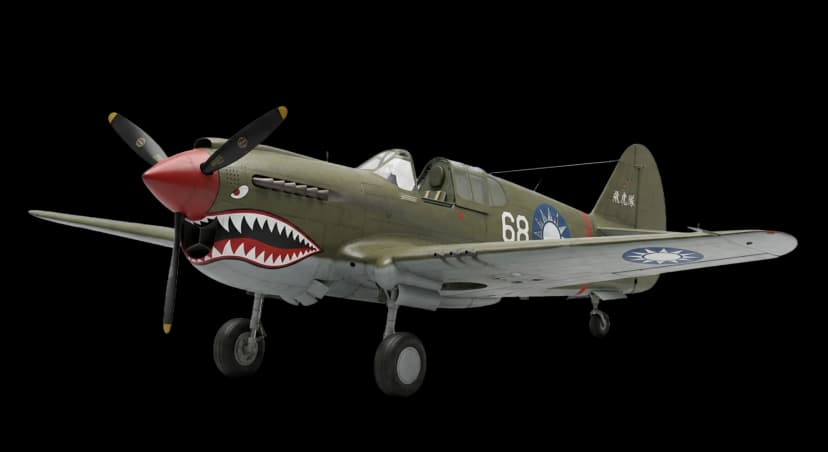
The shark-mouthed icon of the Flying Tigers. Not the best fighter of WWII, but the most recognizable and the backbone of Allied air power in secondary theaters.
The Jet Age
Breaking the sound barrier and the birth of jet travel
On 14 October 1947, Chuck Yeager flew the Bell X-1 past Mach 1 at 13,100 meters over the Mojave Desert. The X-1 was a rocket-powered bullet with wings, air-launched from a B-29 mothership. The sound barrier, which many engineers believed would destroy any aircraft that approached it, turned out to be a transonic buffeting problem solved by thin, swept wings and all-moving tail surfaces.
The Korean War (1950-1953) saw the first jet-versus-jet combat. The North American F-86 Sabre and the Mikoyan-Gurevich MiG-15 fought over 'MiG Alley' in northwestern Korea. The MiG-15 could climb faster and had a higher ceiling; the Sabre had better visibility, more responsive controls, and a superior gunsight. The Sabre achieved a 10:1 kill ratio in the hands of experienced pilots.
The de Havilland Comet, entering service on 2 May 1952, was the world's first commercial jet airliner. Its square windows proved fatally flawed: metal fatigue around the corners caused catastrophic decompression, and two Comets broke apart in mid-air in 1954. The investigation transformed our understanding of metal fatigue and led to oval windows on every commercial aircraft since.
The Boeing 707, entering service in 1958, succeeded where the Comet failed. It shrank the Atlantic crossing from 12 hours to 6, made international travel accessible to the middle class, and established Boeing's dominance in commercial aviation. The 707 was followed by the Boeing 737 (1967), which would become the most-produced commercial jet aircraft in history with over 11,000 delivered.
The Lockheed C-130 Hercules (1954) and the Lockheed U-2 (1955) represented opposite extremes of Cold War aviation. The C-130, a turboprop tactical transport, has been in continuous production for over 70 years, with more than 2,500 built. The U-2, a single-engine glider-like reconnaissance aircraft, could cruise at 21,000 meters, above the reach of any fighter or missile of its era. Francis Gary Powers' U-2 was shot down over the Soviet Union on 1 May 1960, causing a diplomatic crisis.
The Boeing B-52 Stratofortress, first flying in 1952, was designed to deliver nuclear weapons at high altitude. It carried a crew of six, eight jet engines, and could fly 14,000 kilometers without refueling. The B-52 has been continuously upgraded and is expected to remain in service past 2050, a lifespan of nearly a century.
“I was always afraid of dying. Always. It was my fear that made me learn everything I could about my airplane and my emergency equipment.”
Chuck Yeager, 1985
Key Moments
Featured Aircraft
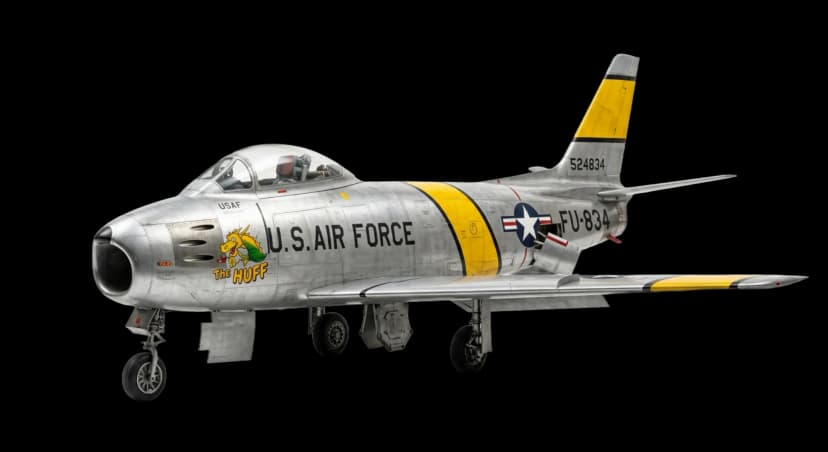
The dominant Western fighter of the Korean War that dueled MiG-15s over MiG Alley. It established American air superiority in the jet age.
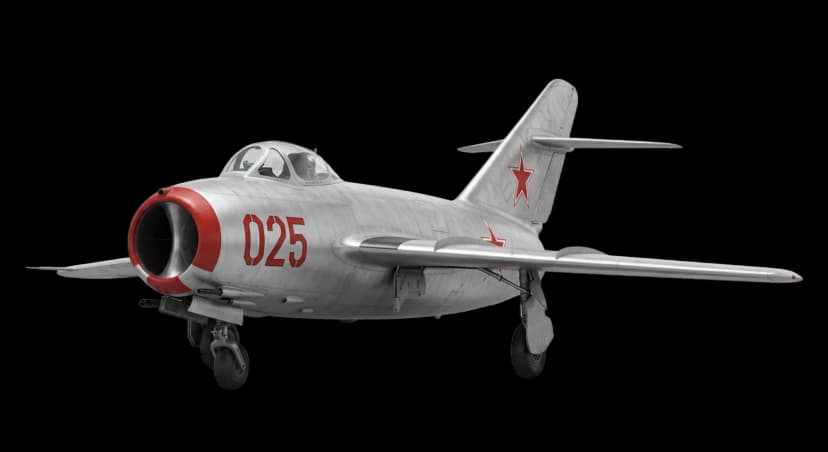
The Soviet jet that shocked the West in Korea and became the most-produced jet fighter in history. It made the MiG brand legendary.
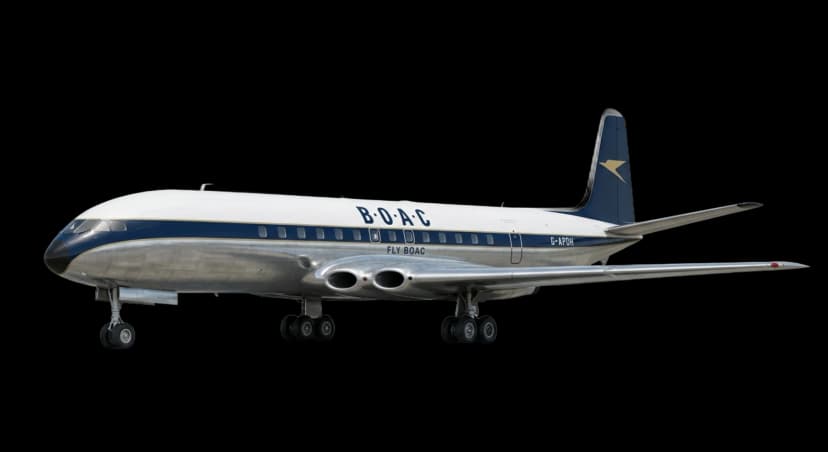
The world's first commercial jet airliner. Despite tragic crashes, the Comet pioneered jet air travel and transformed aviation.
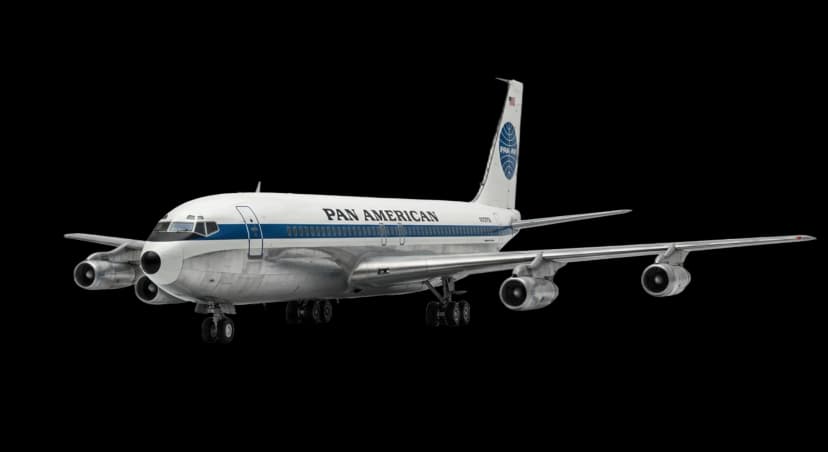
The aircraft that democratized air travel and made Boeing the dominant commercial aircraft manufacturer. It launched the jet age for the masses.
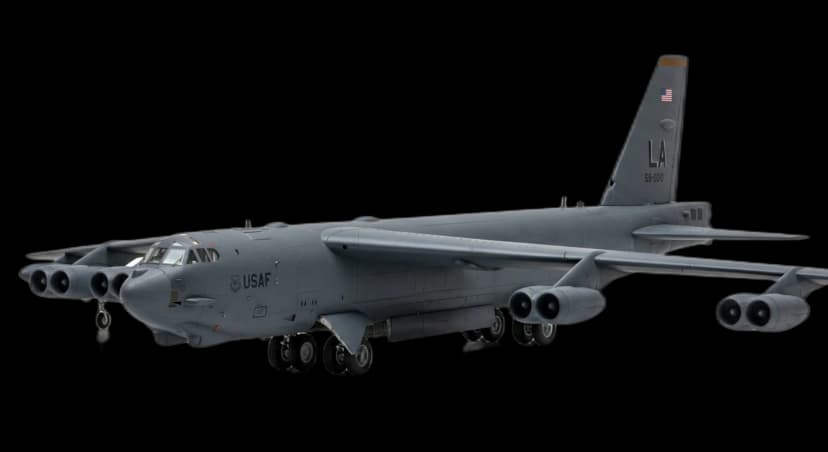
The iconic strategic bomber has served for over 70 years and is projected to serve 100, making it the longest-serving military aircraft in history.
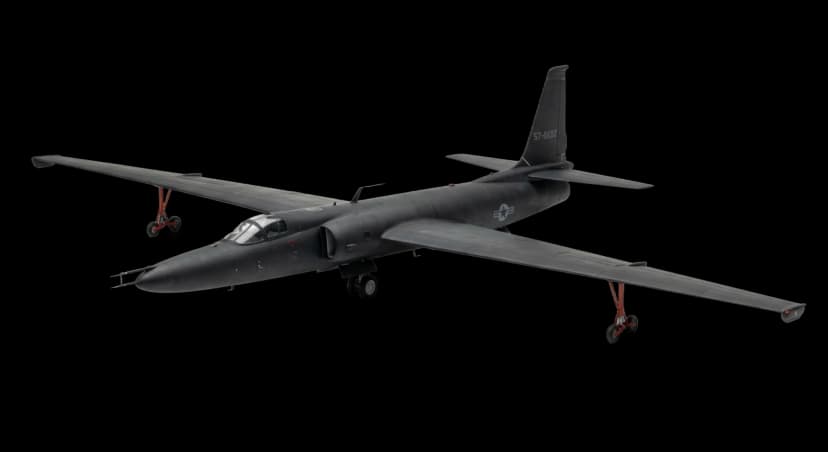
The legendary Cold War spy plane that still flies today. The 1960 shootdown of Gary Powers changed superpower relations forever.
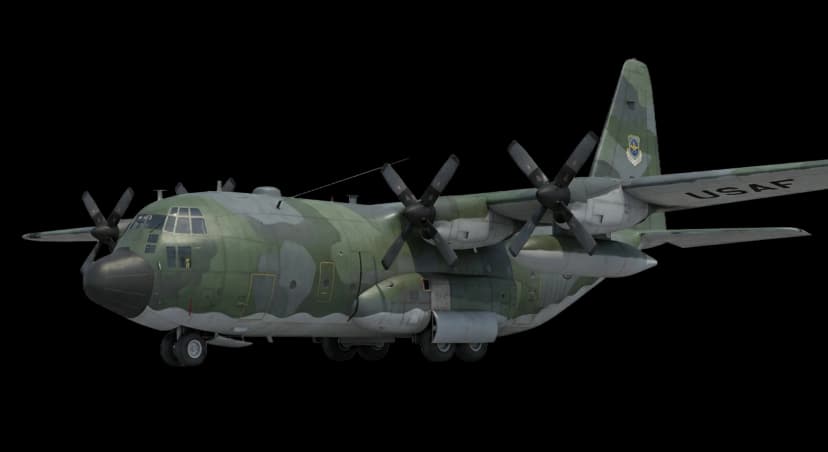
The most successful military transport aircraft in history, in continuous production for over 70 years. Operated by more than 60 nations.
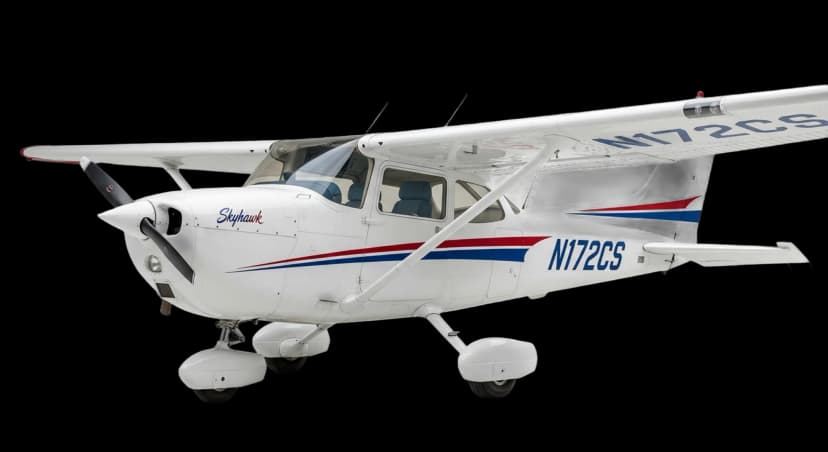
The most-produced aircraft in history, with over 44,000 built. The aircraft on which more pilots have learned to fly than any other.
The Supersonic Era
Mach 2 fighters, the Blackbird, and the dream of supersonic travel
The 1960s pushed aircraft to performance extremes that have never been surpassed. The Lockheed SR-71 Blackbird, designed by Kelly Johnson's Skunk Works, first flew in December 1964. It cruised at Mach 3.2 at 25,900 meters, outrunning every missile fired at it during its operational career. Its titanium airframe expanded by several inches in flight due to heat. The aircraft leaked fuel on the ground because the panels were designed to seal only at speed. No aircraft has flown faster in sustained cruise since.
The McDonnell Douglas F-4 Phantom II became the defining multirole fighter of the era. Built for the Navy as a fleet interceptor, it was adopted by the Air Force, Marine Corps, and eleven foreign air forces. Over 5,195 were produced. In Vietnam, the Phantom proved that missiles alone were not enough: its lack of an internal gun was a near-fatal design error corrected only after the Air Force mandated the Top Gun program to retrain fighter pilots in dogfighting.
The Dassault Mirage III demonstrated that a European manufacturer could build a world-class supersonic fighter. The delta-winged Mirage III was simple, fast, and effective. Israel's Air Force used it to devastating effect in the Six-Day War of 1967, destroying the Egyptian Air Force on the ground and achieving total air superiority.
The Concorde, first flying on 2 March 1969, turned supersonic flight into a commercial reality. Developed jointly by Britain and France, it cruised at Mach 2.04 at 18,300 meters, crossing the Atlantic in under 3.5 hours. Only 20 were built. It operated for 27 years before retiring in 2003, the only successful supersonic airliner ever to fly scheduled services.
The Boeing 747, first flying on 9 February 1969, went the opposite direction: instead of speed, it offered capacity. The 'Jumbo Jet' could carry 366 passengers in three classes, democratizing international air travel. Over 1,500 were delivered. The 747 remained the world's largest commercial aircraft for 37 years until the Airbus A380.
The Bell UH-1 Huey became the icon of the Vietnam War. Over 7,000 saw service in Southeast Asia, and its distinctive rotor sound became synonymous with the conflict. The Huey established the helicopter as a fundamental tool of modern warfare: troop transport, medevac, gunship, and command platform.
“Everything had to be invented. Everything had to be reconsidered.”
Andre Turcat, Concorde test pilot, 1969
Key Moments
Featured Aircraft
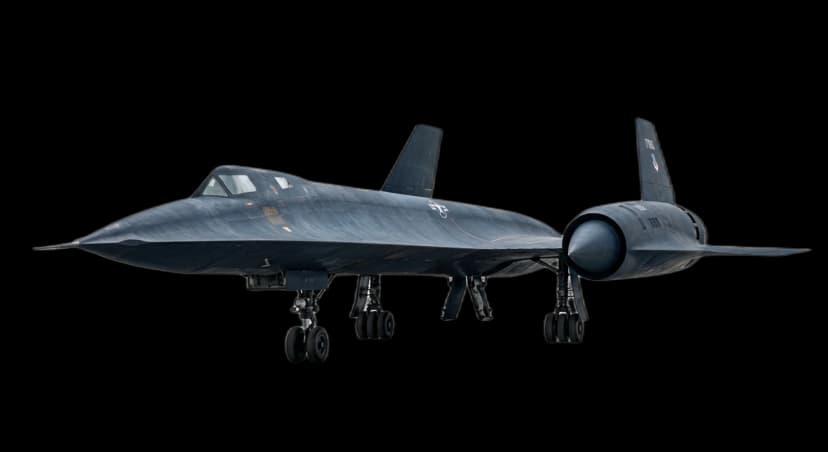
Mach 3.3 at 85,000 feet, still the fastest air-breathing manned aircraft ever. Its titanium construction and stealth features were decades ahead of their time.
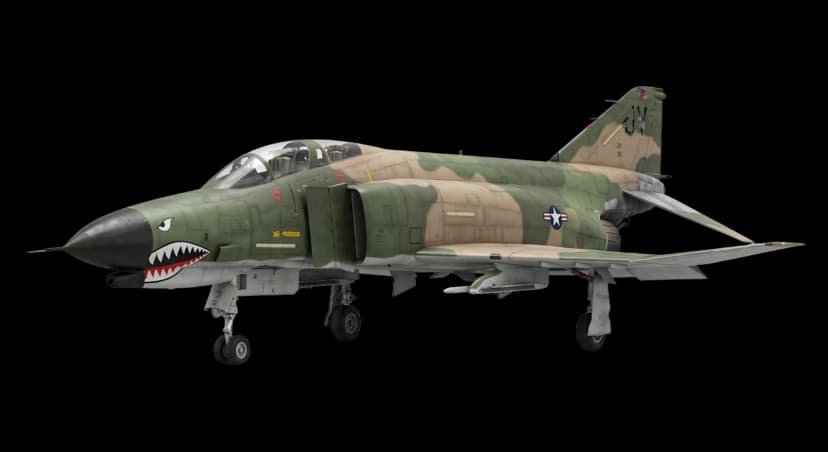
The defining Western fighter of the Cold War, serving with 11 nations. The only aircraft to simultaneously hold absolute speed and altitude records.
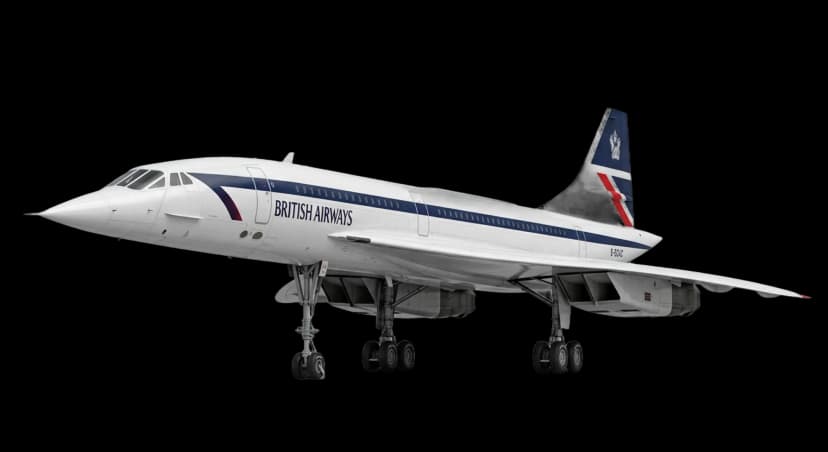
The first and only successful supersonic commercial airliner, crossing the Atlantic in under 3.5 hours at Mach 2.04. An enduring symbol of technological ambition.
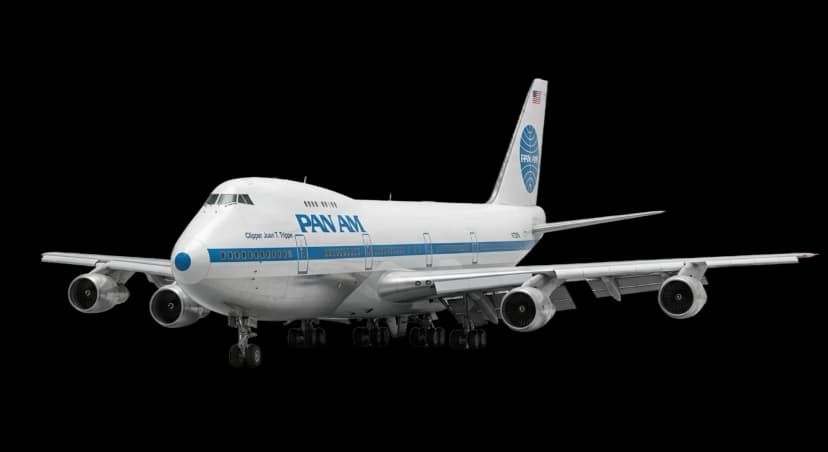
The Queen of the Skies democratized international air travel with its wide-body design, carrying more passengers farther for less money, and reigning for over 50 years.
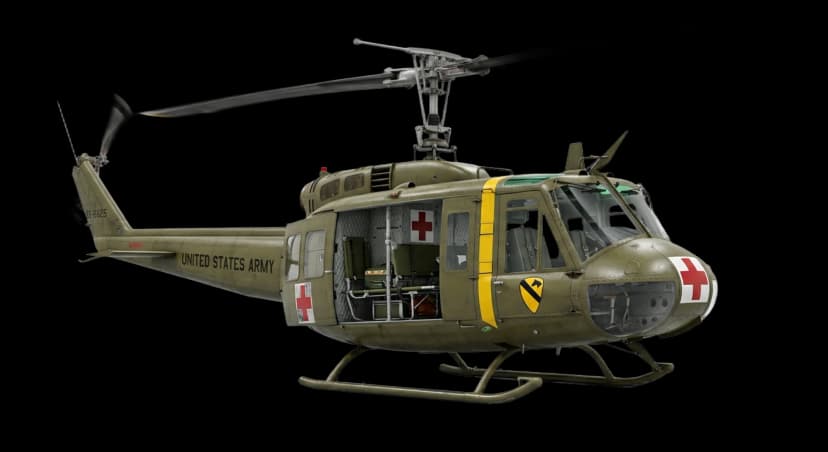
The iconic helicopter of the Vietnam War and the most-produced helicopter in history. Its distinctive whop-whop sound became the auditory signature of an entire conflict.
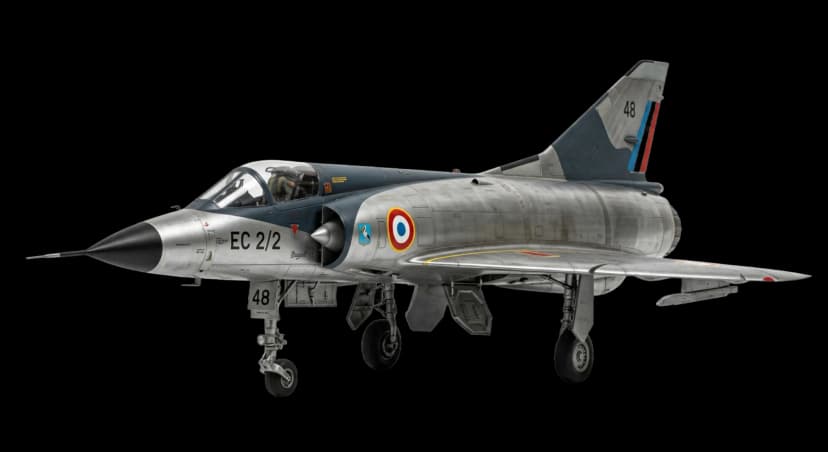
The tailless delta that proved European fighters could match American and Soviet designs. Its Israeli combat record in 1967 made it a global export phenomenon.
Cold War Apex
Fourth-generation fighters, stealth, and the electronic battlefield
The late Cold War produced the most capable conventional fighter aircraft ever designed. Three American aircraft, introduced within five years of each other, defined fourth-generation fighter design and remain in service half a century later.
The Grumman F-14 Tomcat (1974) was a carrier-based air superiority fighter with variable-sweep wings and the AIM-54 Phoenix missile, which could engage targets at 190 kilometers. The McDonnell Douglas F-15 Eagle (1976), designed with the single-minded mandate that it be the best air-to-air fighter in the world, achieved a combat record of 104 kills to zero losses. The General Dynamics F-16 Fighting Falcon (1978) pioneered fly-by-wire controls, a side-stick controller, and a frameless bubble canopy for maximum visibility. Over 4,600 have been delivered to 25 nations.
The Soviet Union responded with the Sukhoi Su-27 Flanker (1985), arguably the most aerodynamically advanced fighter of its generation. Its massive wing area and thrust-vectoring-capable engines gave it agility that stunned Western observers when Viktor Pugachev demonstrated the 'Cobra' maneuver at the 1989 Paris Air Show. The Saab 35 Draken (1960) and its successor designs proved that small, neutral nations could design world-class fighters.
Stealth technology, developed in secret at Lockheed's Skunk Works, produced the F-117 Nighthawk (1981). Its faceted surfaces scattered radar returns, making it effectively invisible to air defenses. The F-117 was operational for six years before the public knew it existed. The Rockwell B-1B Lancer (1986), a variable-sweep supersonic bomber, combined speed with a reduced radar cross-section.
The Sikorsky UH-60 Black Hawk (1979) replaced the Huey as the US Army's primary utility helicopter. Designed to survive in a nuclear, biological, and chemical environment and to absorb small-arms fire, the Black Hawk has been produced in over 4,000 units and exported to more than 30 countries.
“The F-15 was designed with not one pound of air-to-ground capability.”
Colonel Boyd, USAF, 1969
Key Moments
Featured Aircraft
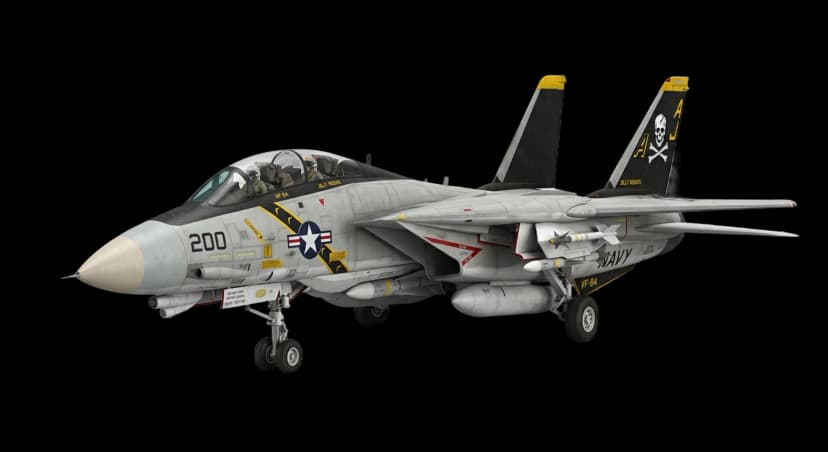
Variable-sweep wings and Phoenix missile system could engage six targets simultaneously at 100+ miles. Top Gun made it the most culturally iconic fighter of a generation.
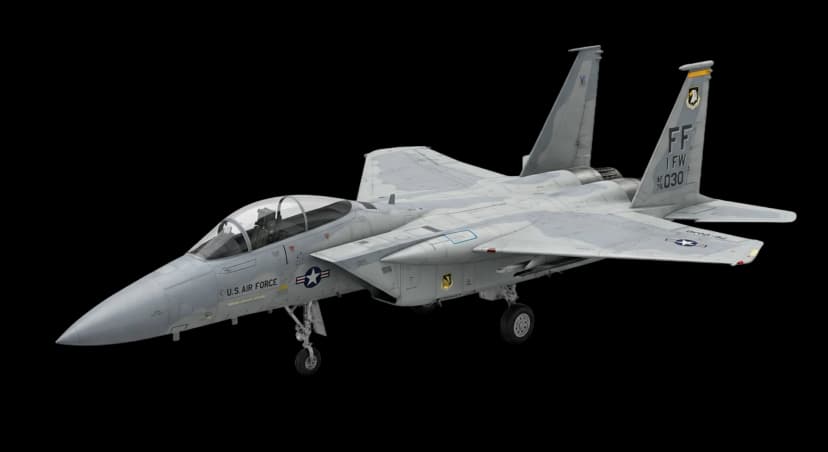
The most successful air superiority fighter in history with a combat record of 104 kills and zero losses. The defining dogfighter of the late Cold War era.
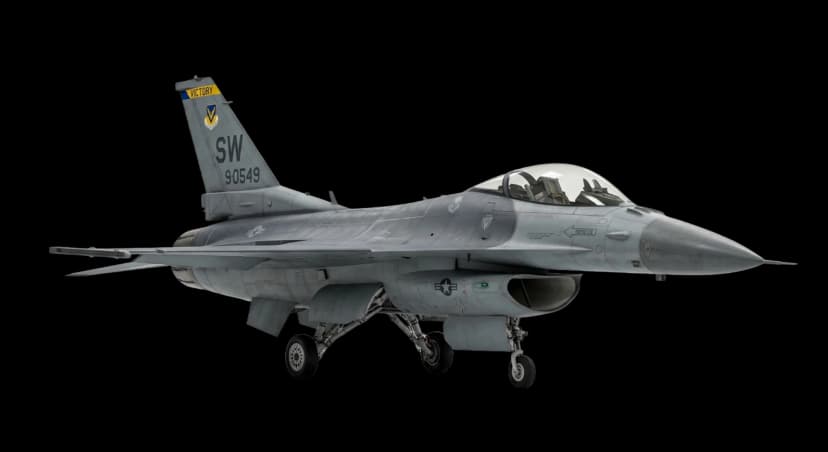
The most successful jet fighter in terms of production numbers, serving with 25 air forces. Pioneered fly-by-wire controls and relaxed static stability in a production fighter.
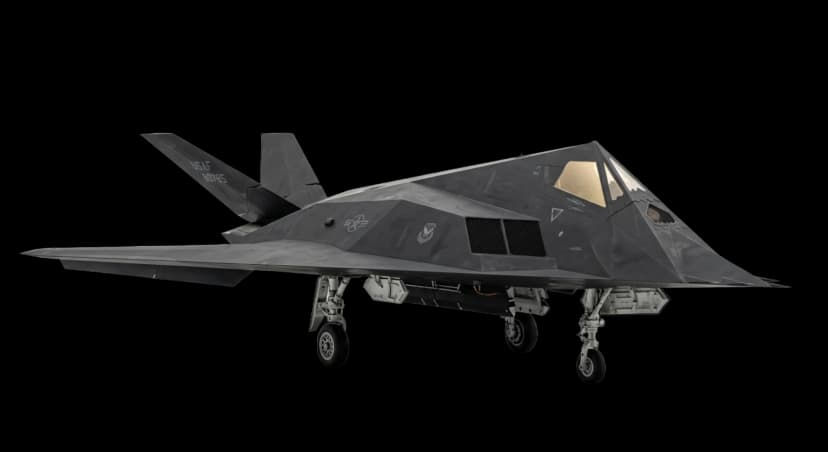
The world's first operational stealth aircraft. Proved that radar invisibility could fundamentally change air warfare.
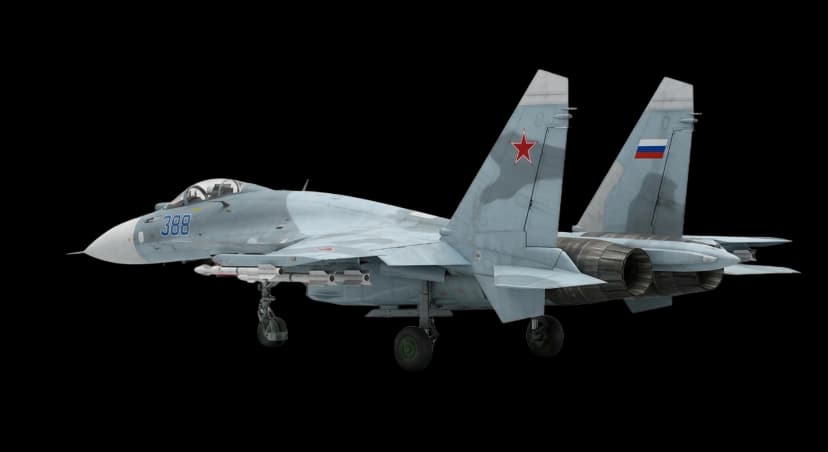
The Soviet answer to the F-15, whose Cobra maneuver stunned Western observers at the 1989 Paris Air Show. The foundation of Russias most successful fighter family.
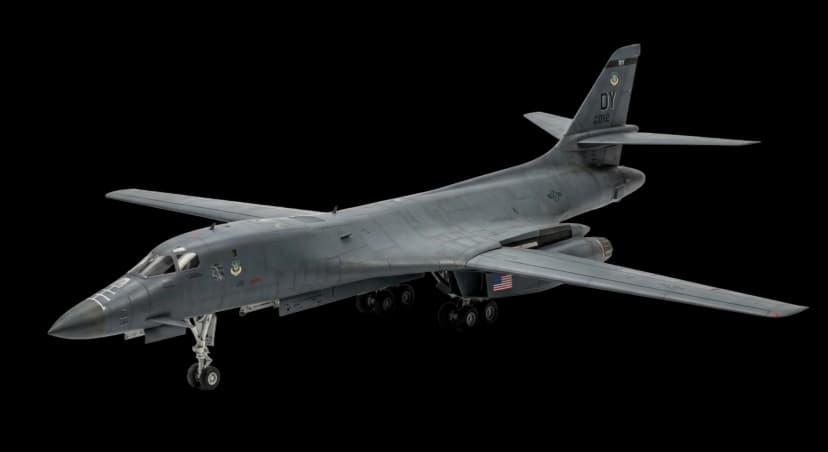
Variable-sweep supersonic strategic bomber designed to penetrate Soviet air defenses at low altitude.
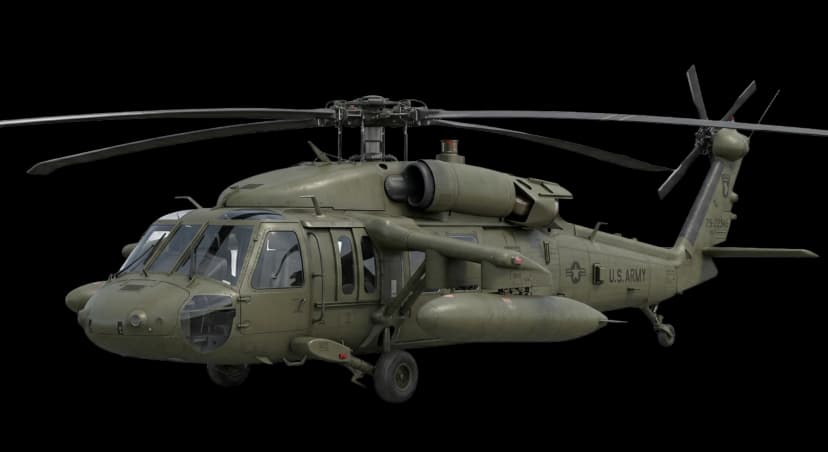
The US military's primary utility helicopter for over 40 years. From medevac to special operations, the Black Hawk does everything.
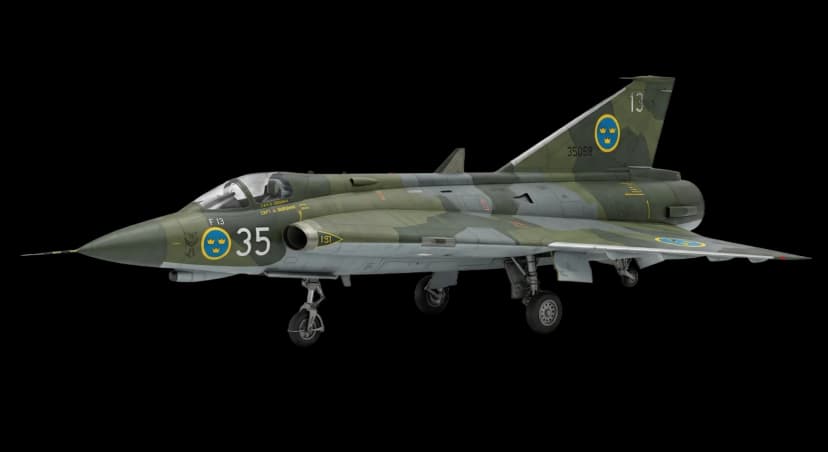
The first Western European double-delta wing fighter capable of Mach 2. A pioneering Swedish design that proved a neutral nation could produce world-class combat aircraft.
Stealth and Precision
The Gulf War, fifth-generation fighters, and the superjumbo
The 1991 Gulf War was a demonstration of what stealth and precision could do. F-117 Nighthawks flew 1,271 sorties over Iraq, striking the most heavily defended targets in Baghdad without a single loss. The war proved that stealth worked not as a laboratory curiosity but as an operational capability. Air superiority was achieved in hours, not weeks.
The Northrop Grumman B-2 Spirit (1989) took stealth further. A flying wing with no vertical surfaces, the B-2 could penetrate the most advanced air defense systems and deliver nuclear or conventional weapons. At $2.1 billion per aircraft, it remains the most expensive aircraft ever built. Only 21 were produced.
The Lockheed Martin F-22 Raptor (2005) became the world's first fifth-generation fighter: combining stealth, supercruise (sustained supersonic flight without afterburner), integrated avionics, and thrust vectoring. The F-22 has never been exported. Its air-to-air capability is considered so far ahead of any competitor that the US prohibits foreign sales.
In commercial aviation, the Boeing 737 became the most-ordered commercial aircraft ever, with over 11,000 delivered since 1967. The Airbus A380 (2005), a full-length double-deck superjumbo carrying up to 853 passengers, was an engineering triumph but a commercial disappointment. Airlines increasingly preferred smaller, more fuel-efficient twin-engine aircraft. The Boeing 787 Dreamliner (2009), with its carbon-fiber fuselage and 20% fuel savings over previous designs, pointed to the future.
Key Moments
Featured Aircraft
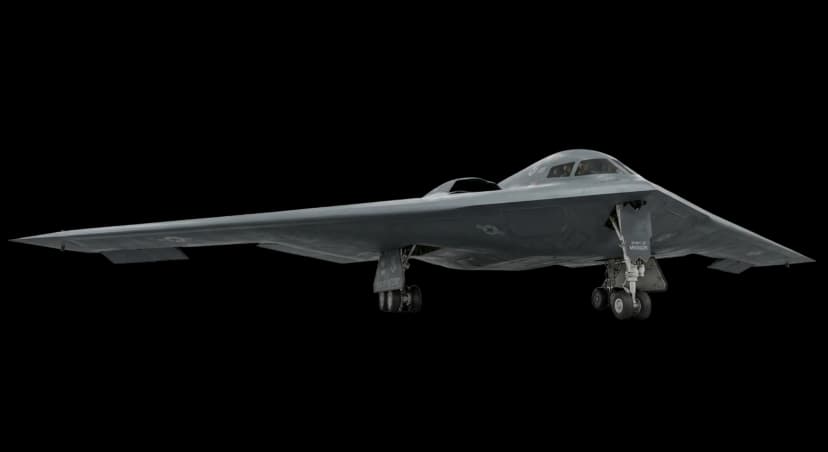
The most expensive aircraft ever built and the world's only stealth strategic bomber. Each aircraft cost approximately $2.1 billion.
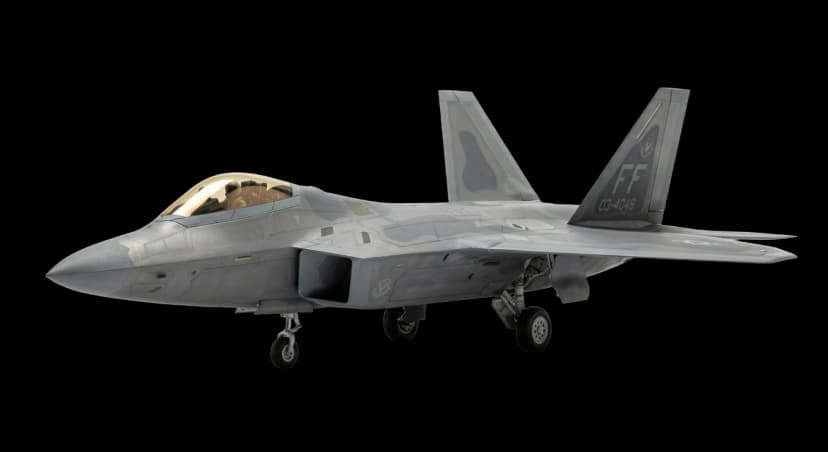
World's first operational fifth-generation stealth fighter with supercruise, sensor fusion, and unmatched air dominance.
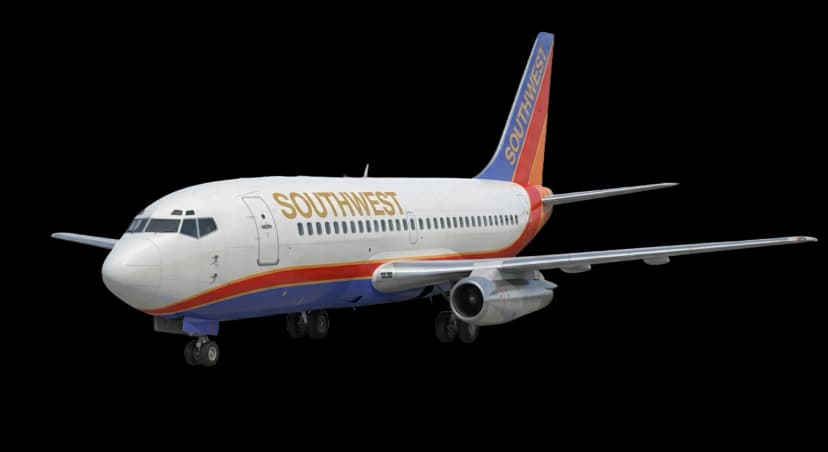
The best-selling commercial aircraft in aviation history. More 737s are in the air at any given moment than any other aircraft type.
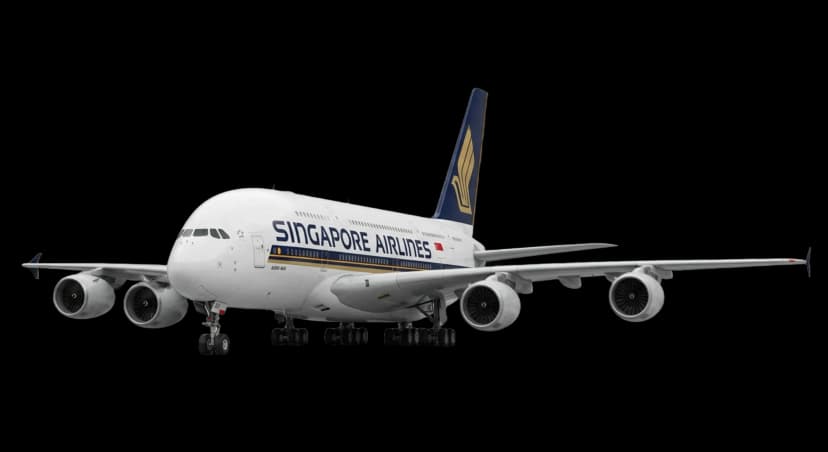
Largest commercial aircraft ever built, a double-deck superjumbo that redefined the hub-and-spoke model.
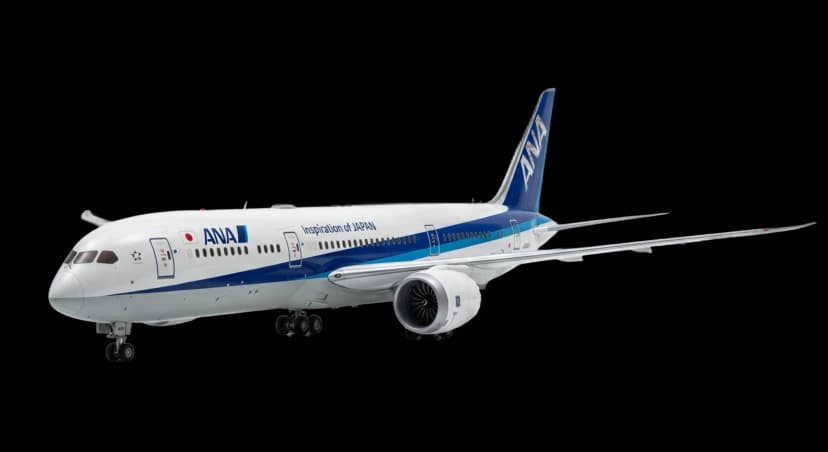
First major airliner built primarily from composite materials, reducing fuel consumption by 20 percent.
The Next Generation
The F-35, autonomous systems, and sustainable aviation
The Lockheed Martin F-35 Lightning II is the most ambitious fighter program in history. A single airframe in three variants (conventional, short takeoff/vertical landing, and carrier-based) for the Air Force, Marines, and Navy, the F-35 aims to replace the F-16, AV-8B, A-10, and F/A-18C/D. Over 900 have been delivered to 18 nations. It is simultaneously the most controversial and most widely adopted fifth-generation fighter, with a projected production run of over 3,100 aircraft.
Unmanned aerial systems have matured from reconnaissance tools to combat platforms. The MQ-9 Reaper, the MQ-1C Gray Eagle, and their successors can loiter for 20+ hours, strike with precision weapons, and relay intelligence in real time. The future of air combat increasingly involves autonomous wingmen, drone swarms, and human-machine teaming.
Sustainable aviation has become a central design challenge. The industry accounts for roughly 2.5% of global CO2 emissions. Sustainable aviation fuel (SAF), electric propulsion for short-haul flights, and hydrogen fuel cells are all in development. Airbus has committed to a hydrogen-powered commercial aircraft by 2035. The first commercial electric aircraft flights have already occurred on short routes.
The trajectory of aviation over 120 years is extraordinary. From 12 seconds over sand dunes to stealth fighters that can fly from Missouri to Baghdad and back without being detected. From fabric biplanes to carbon-fiber airliners. From barn-stormers to autonomous swarms. The aircraft documented in this archive represent the machines that made each leap possible.
“Aviation is not inherently dangerous. But to an even greater degree than the sea, it is terribly unforgiving of any carelessness, incapacity, or neglect.”
Captain A.G. Lamplugh, 1930s
Key Moments
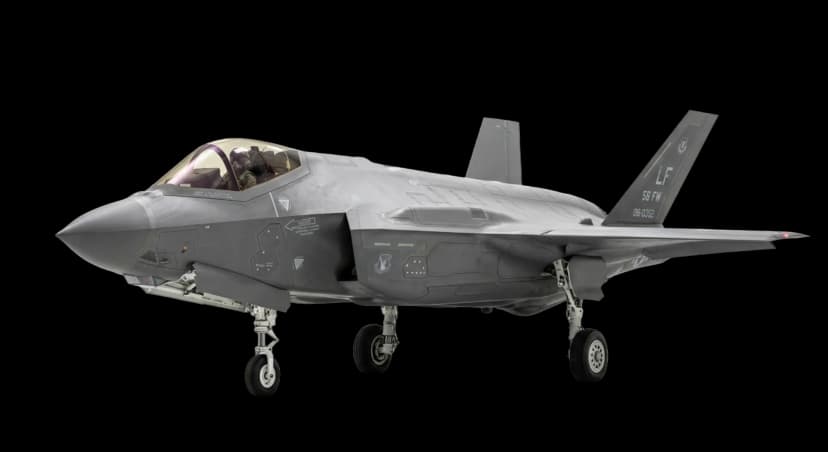
Continue exploring
The aircraft in this history are documented in full in the Skies Heritage archive: verified specifications, multi-angle photography, designer attribution, and primary source references.
