Mosquito
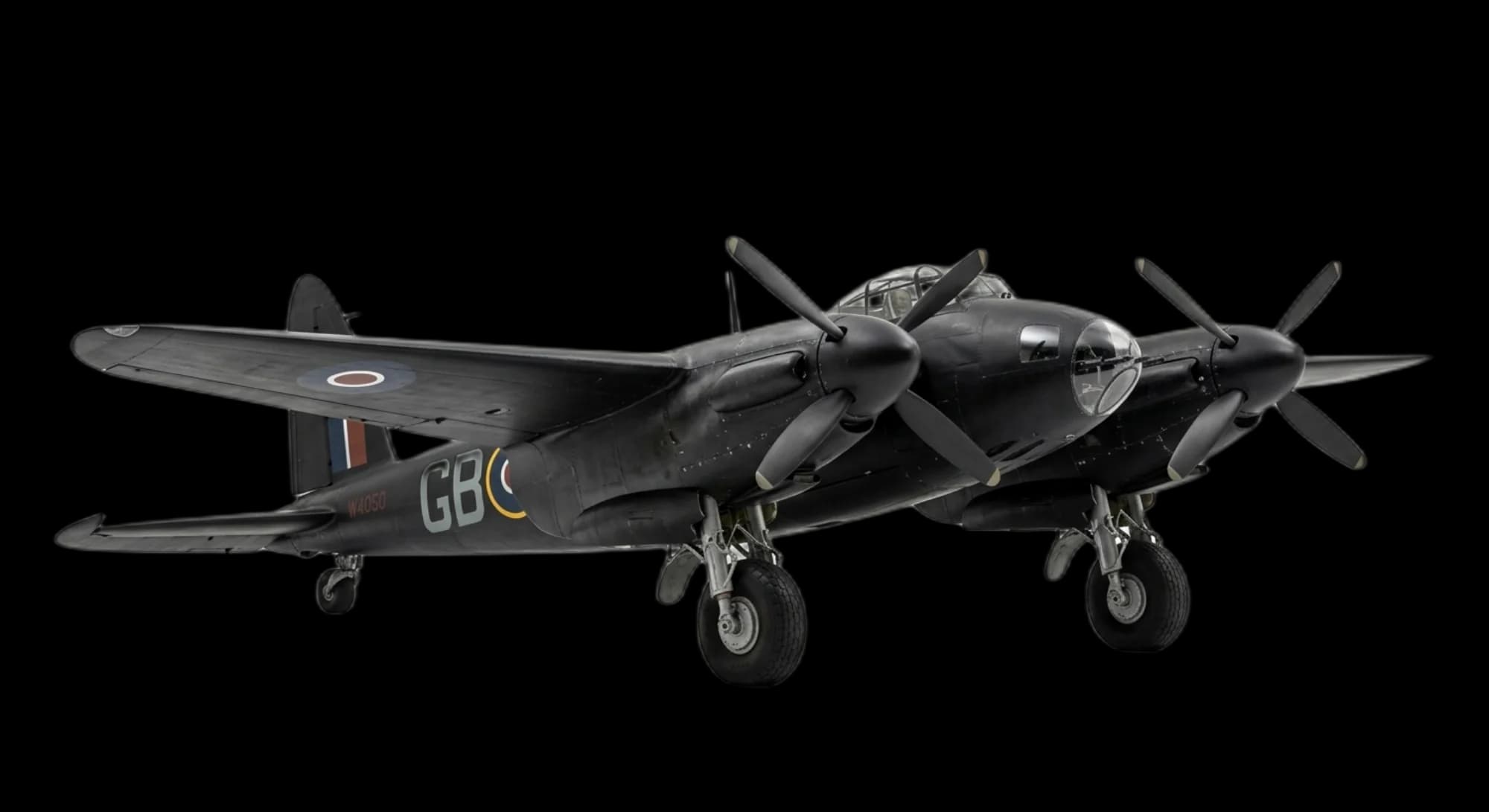
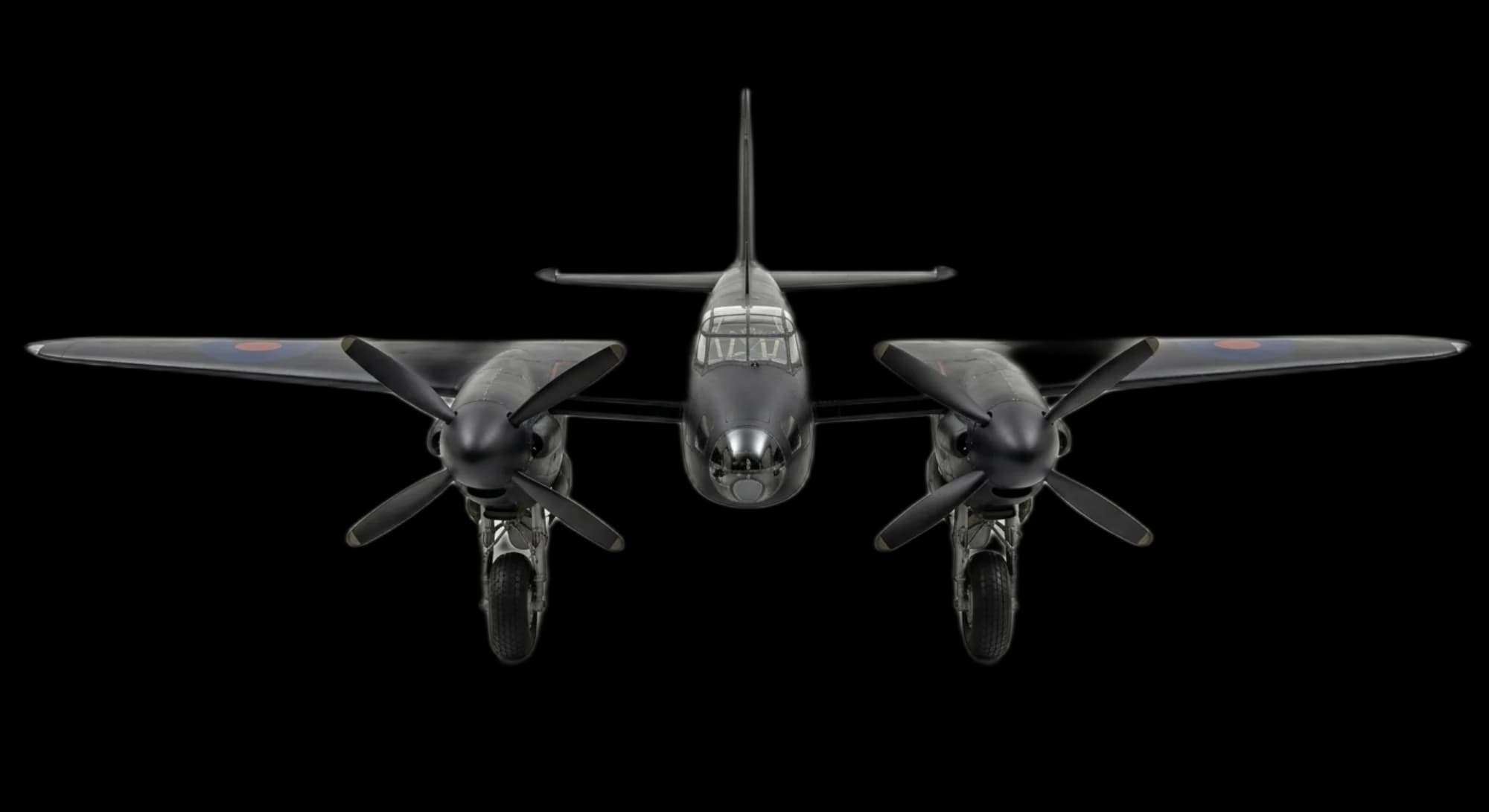
The Wooden Wonder, a high-performance multi-role combat aircraft built primarily of wood, proving unconventional materials could outperform metal designs.
History
When Geoffrey de Havilland proposed an unarmed bomber built from wood, the Air Ministry was skeptical. Wood was considered obsolete for combat aircraft. But the Mosquito's plywood-balsa-plywood sandwich construction made it lighter and faster than any bomber in service. It could outrun most fighters, eliminating the need for defensive armament. The Mosquito served as a bomber, night fighter, pathfinder, photo-reconnaissance aircraft, and even a shipping strike platform. It carried the same 4,000-lb bomb load as a B-17 with a crew of two instead of ten. The aircraft demonstrated that innovative thinking could produce results that raw industrial power could not, and its versatility made it one of the most valuable aircraft of the war.
Timeline
Production & Heritage
Technical Specifications
Tags
Designed by R.E. Bishop