
Supersonic Pioneers
Aircraft that shattered the sound barrier and redefined the limits of speed. From Chuck Yeager's X-1 to the Mach 3.3 Blackbird, these machines pushed airframes, engines, and human endurance beyond what physics seemed to allow.
15 aircraft
Breaking the sound barrier was once considered impossible. Engineers warned of a physical wall at Mach 1 that would destroy any aircraft that approached it. On October 14, 1947, Chuck Yeager proved them wrong in the Bell X-1. Within two decades, fighters routinely exceeded Mach 2, and the SR-71 Blackbird cruised at Mach 3.3. Every aircraft in this collection exists because someone refused to accept that faster was impossible.
Breaking the Wall
The sound barrier was first broken in controlled flight by the Bell X-1, a rocket-powered research aircraft dropped from a B-29 mothership. Within a decade, the North American F-100 Super Sabre became the first fighter capable of supersonic speed in level flight. The Convair F-106 Delta Dart pushed interceptor speeds beyond Mach 2. Each breakthrough required solving new problems: thermal heating, compressibility effects, and the punishing aerodynamic loads of transonic flight.
The Mach 3 Club
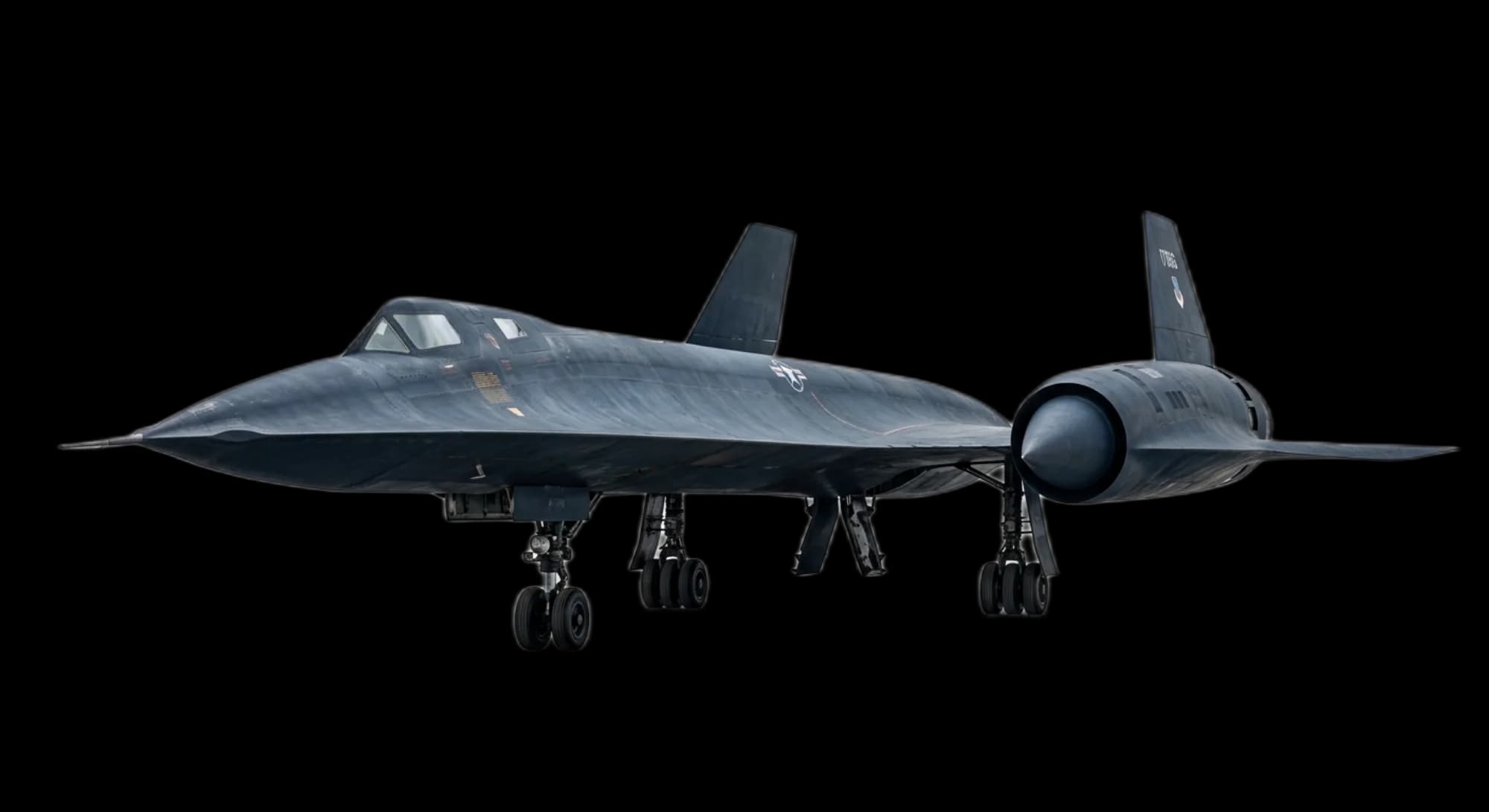
Only a handful of aircraft have sustained Mach 3. The SR-71 Blackbird holds the air-breathing speed record at 2,193 mph, achieved in 1976 and never surpassed. Its titanium airframe expanded several inches in flight from thermal heating. The XB-70 Valkyrie rode its own shockwave using compression lift. At these speeds, conventional engineering fails -- fuel becomes coolant, hydraulic fluid must resist 600-degree temperatures, and pilots wear pressure suits.
Supersonic for the People
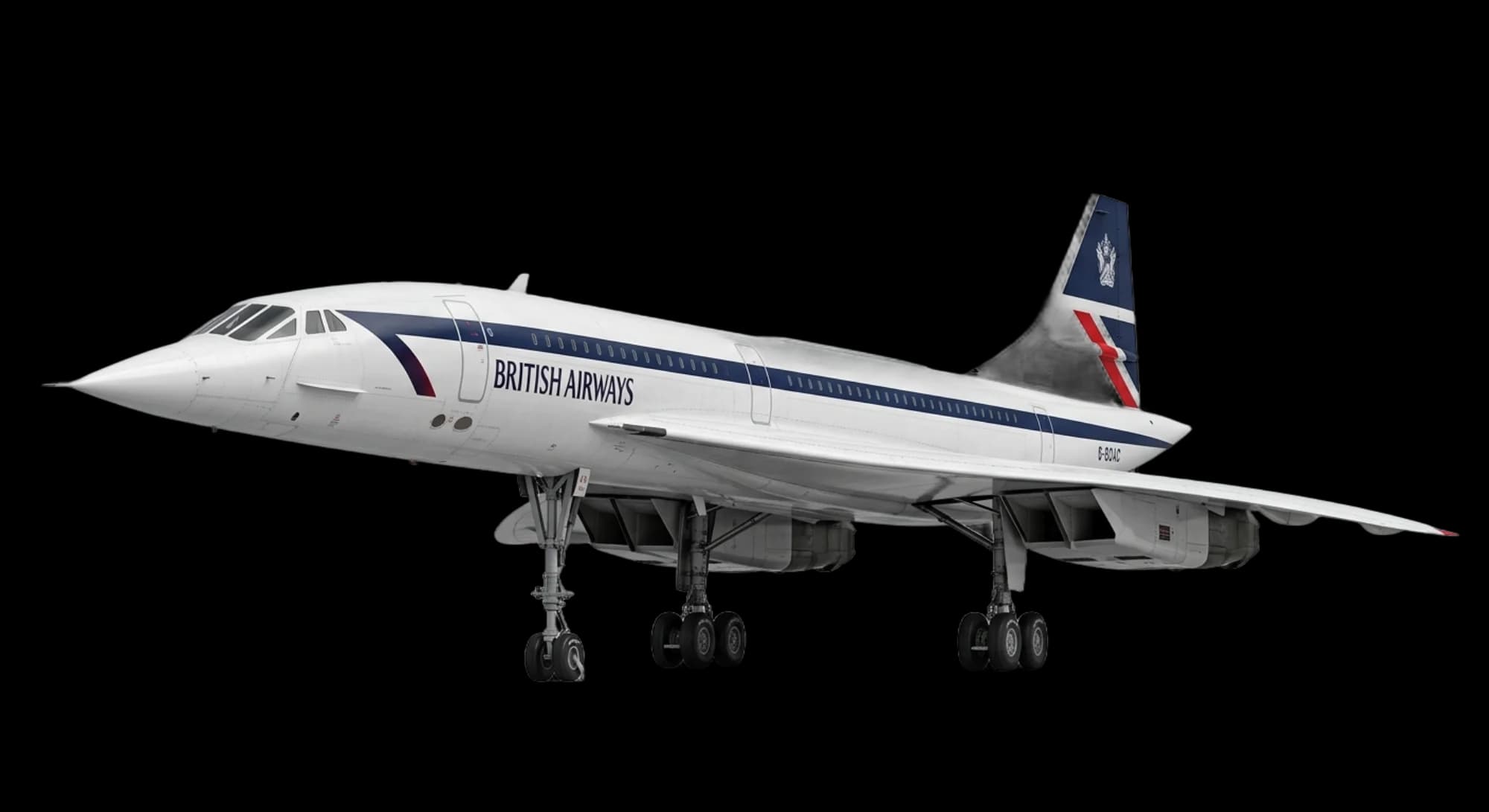
Concorde remains the only commercially successful supersonic transport. For 27 years, it crossed the Atlantic in under 3.5 hours, arriving in New York before it departed London in local time. Its ogival delta wing and drooping nose were engineering marvels. When the last Concorde landed in 2003, commercial aviation lost its fastest machine -- and no replacement has yet emerged.
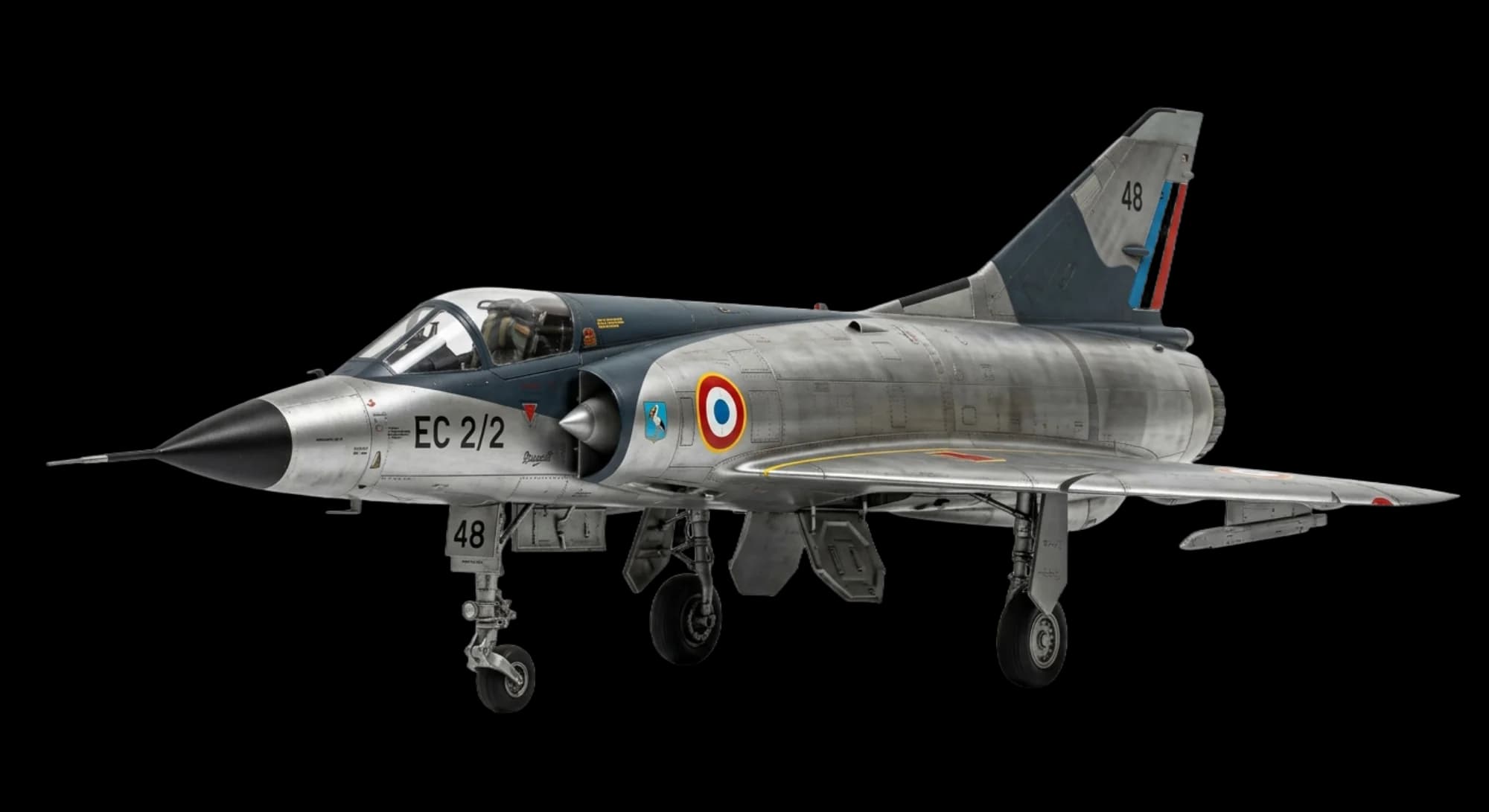
Speed has always been aviation's most visible measure of progress. The aircraft in this collection represent the most ambitious attempts to push that boundary. Some flew operationally for decades; others existed only as research programs. All of them expanded the envelope of human flight beyond what the previous generation thought possible.
