Skip to content

Spitfire

1936-1963
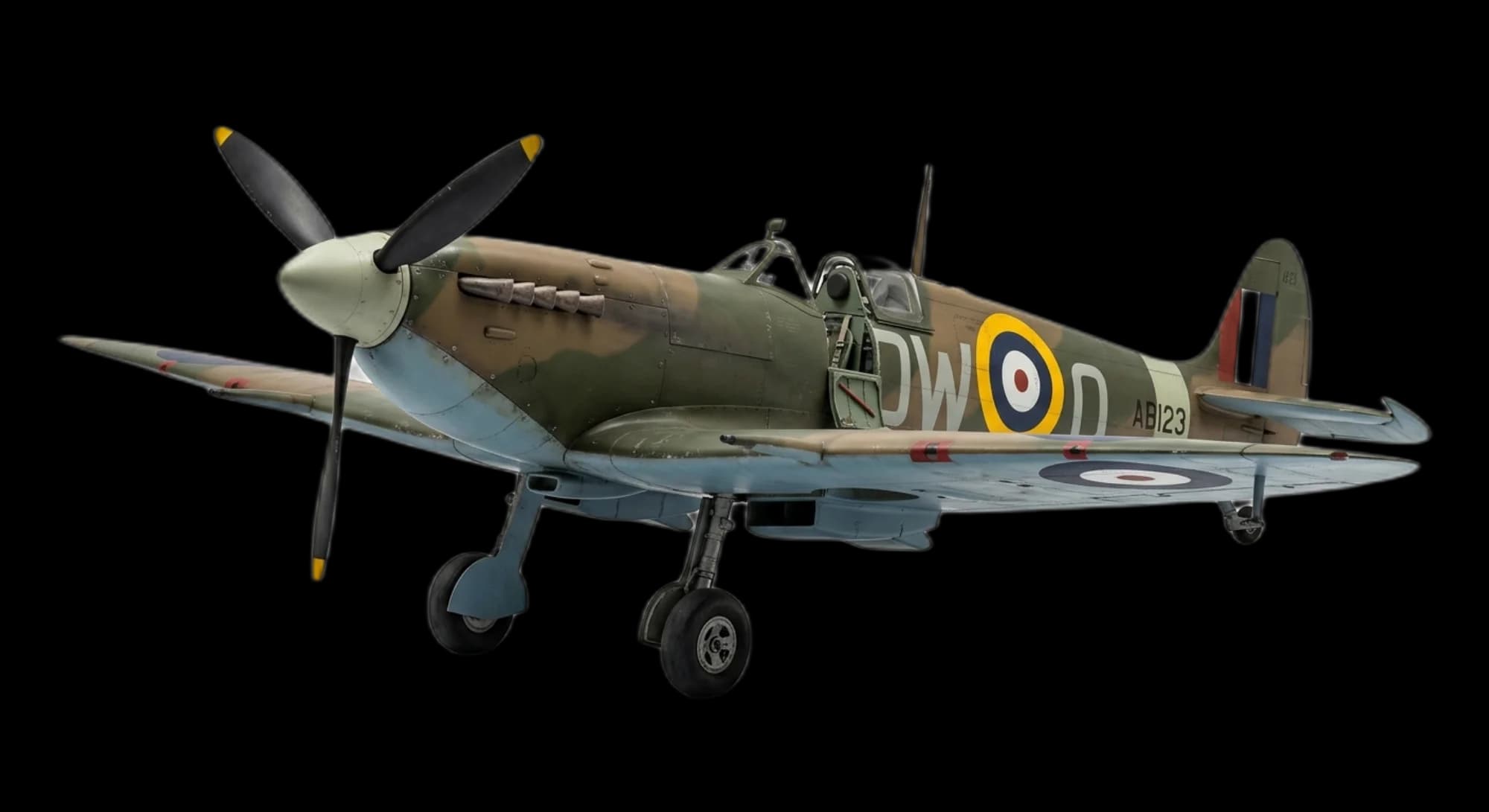
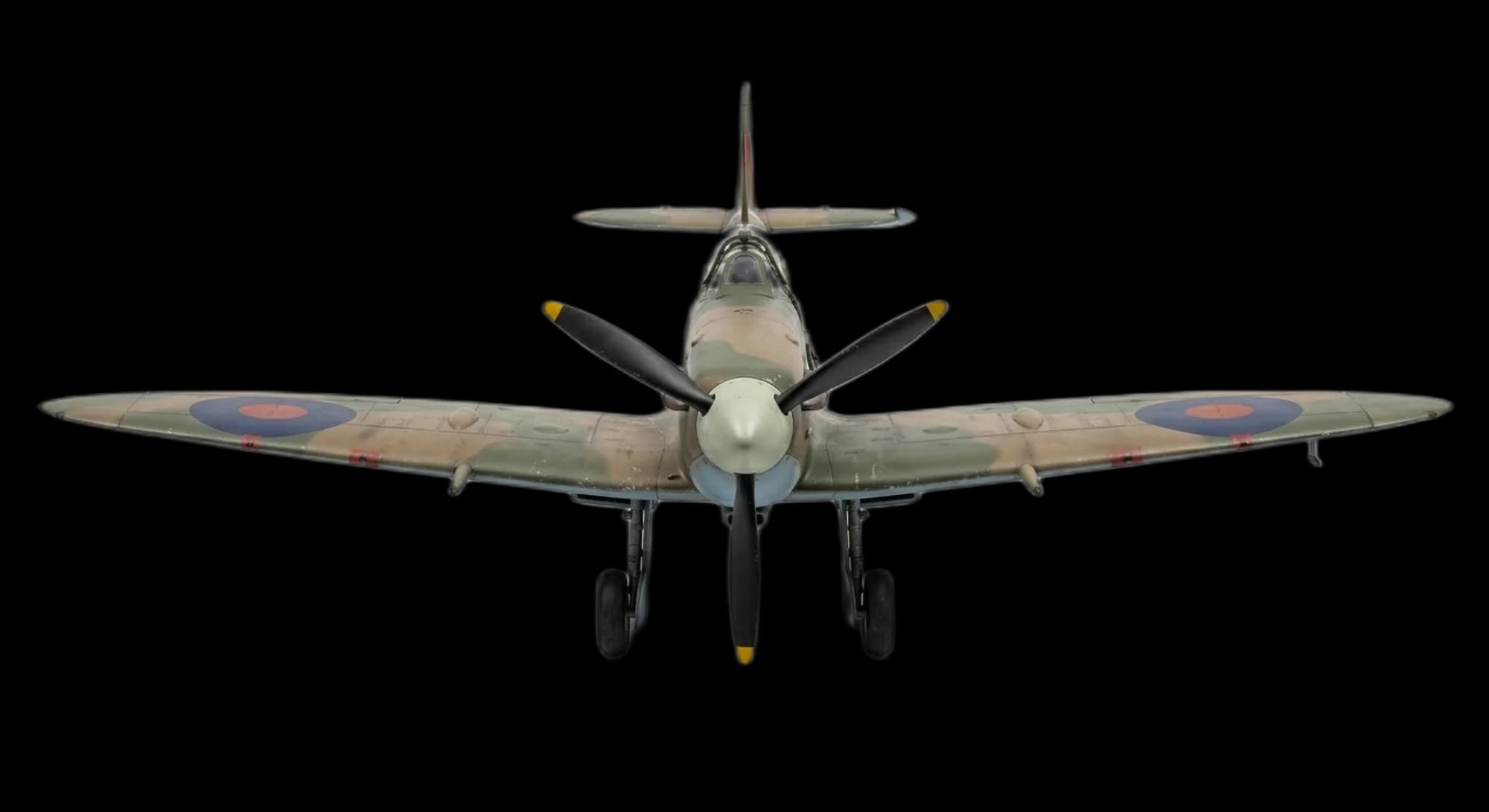
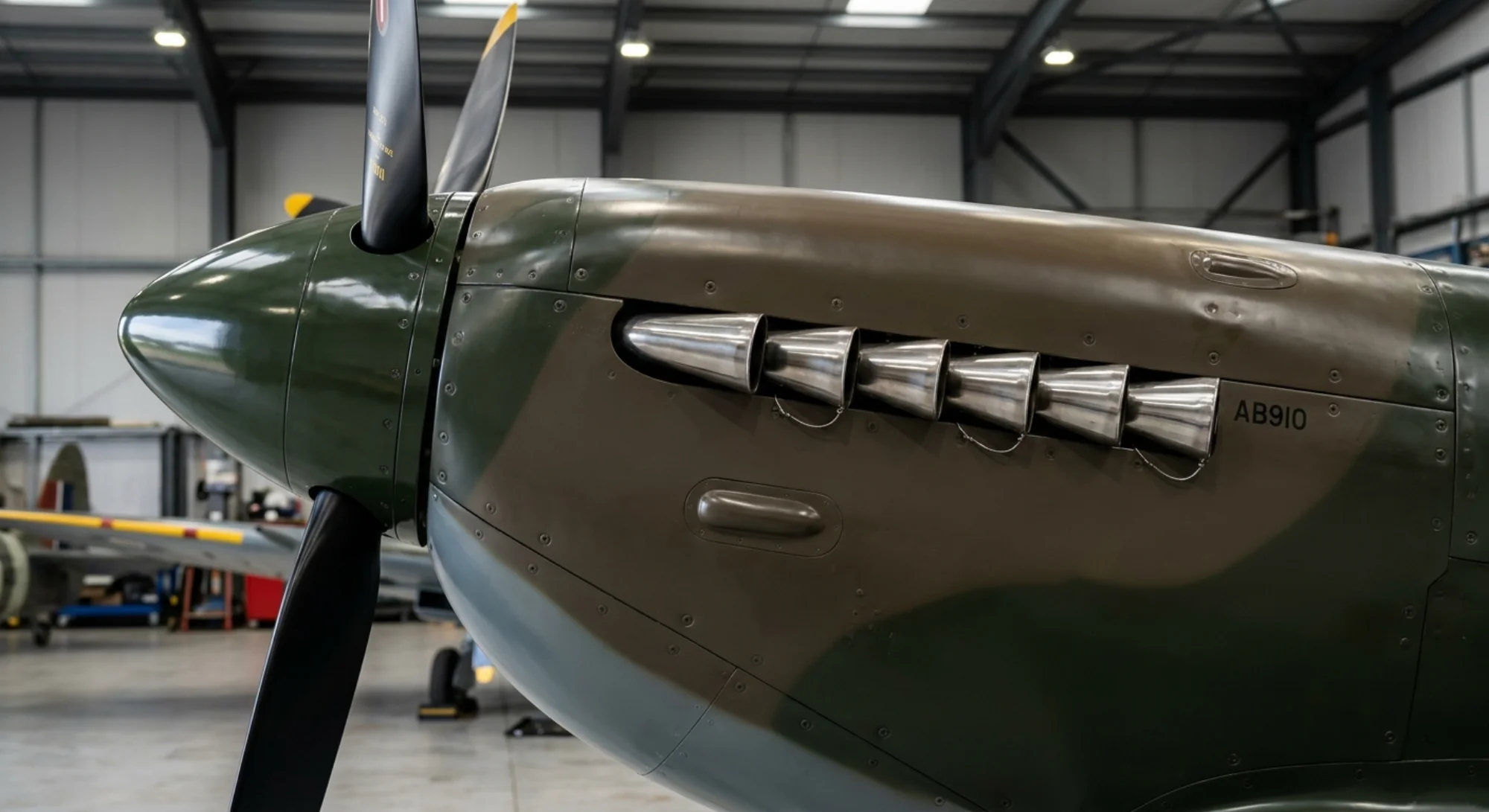
Supermarine Spitfire 1936 - Front 3/4 viewSupermarine Spitfire 1936 - Front viewSupermarine Spitfire 1936 - Profile viewSupermarine Spitfire 1936 - Rear 3/4 viewSupermarine Spitfire 1936 - Rear viewSupermarine Spitfire 1936 - Cockpit viewSupermarine Spitfire 1936 - Instrument Detail viewSupermarine Spitfire 1936 - Engine viewSupermarine Spitfire 1936 - Wing Detail viewSupermarine Spitfire 1936 - Exhaust Detail view
Front 3/4
Cultural impact

Its elliptical wing and Merlin engine made it the symbol of the Battle of Britain and arguably the most celebrated fighter aircraft ever built.

History

Reginald Mitchell designed the Spitfire drawing on his experience with Schneider Trophy racing seaplanes. The elliptical wing was aerodynamically efficient but complex to manufacture, a trade-off Mitchell considered essential for performance. When the Spitfire entered service in 1938, it was the fastest fighter in the RAF. During the Battle of Britain in 1940, Spitfires and Hurricanes together defeated the Luftwaffe, but it was the Spitfire that captured the public imagination. The aircraft evolved through 24 marks, gaining more powerful Griffon engines and clipped wings, serving in every theater of the war. Over 20,000 were built, and the Spitfire remains the most revered fighter in aviation history.

Timeline

1936First flight
1938Entered service
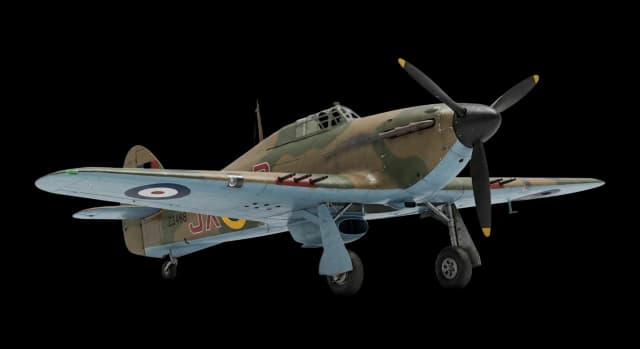
1940Battle of Britain: Spitfires and Hurricanes defeat the Luftwaffe, saving Britain from invasion
1944Griffon-engined Mk XIV enters service, capable of catching V-1 flying bombs
1963Retired from service

Production & Heritage

Production Total20,351
DesignerR.J. Mitchell
Service Period1936-1963

Technical Specifications

EngineRolls-Royce Merlin V-12
Max Speed362 mph
Range434 nm
Ceiling36,500 ft
Crew1
Wingspan36.8 ft
Length29.9 ft
Empty Weight5,065 lbs
Max Weight6,622 lbs

Tags

Designed by R.J. Mitchell

Featured in

Featured in Collections

Keep Exploring

View all aircraft