
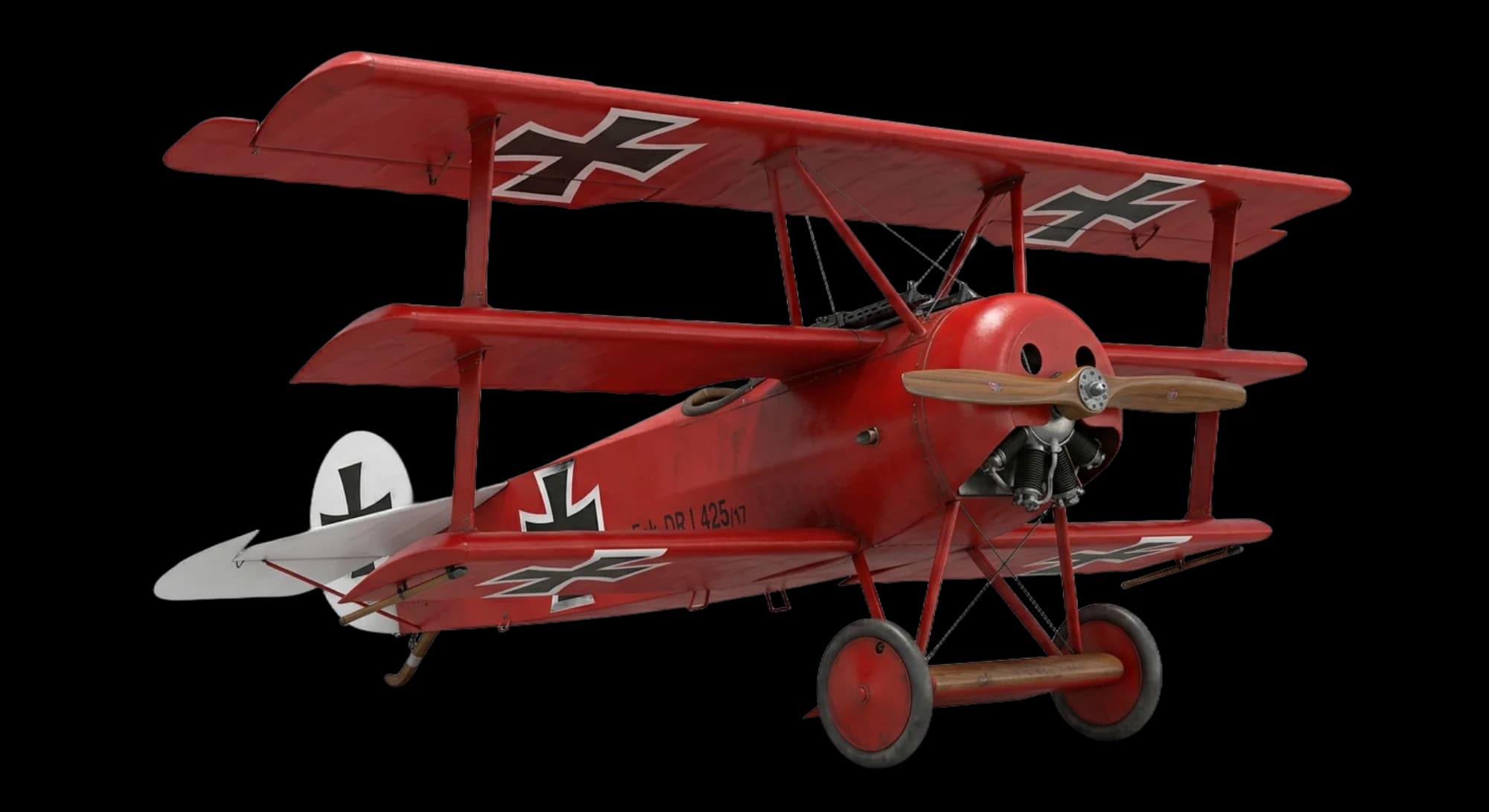
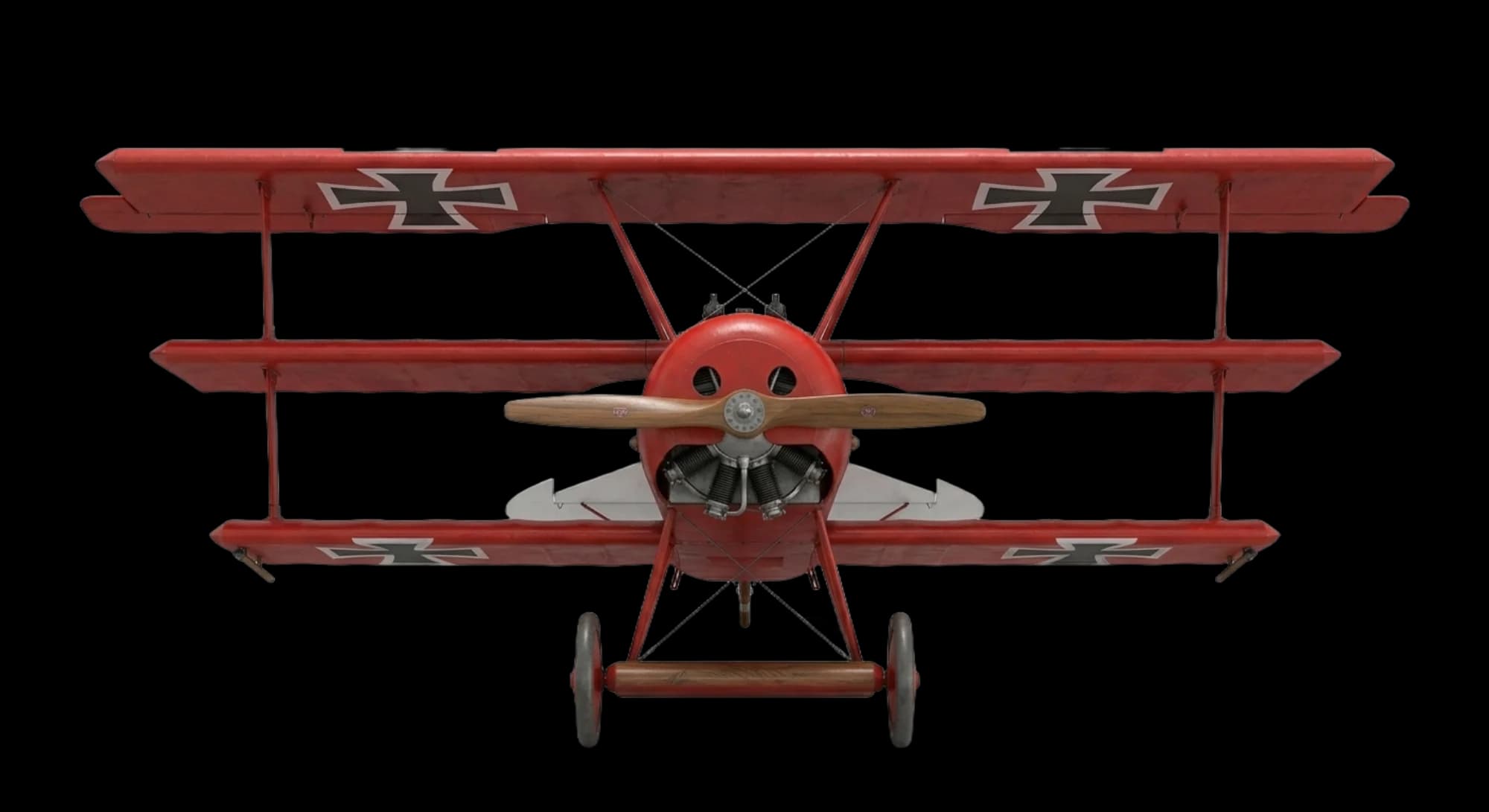
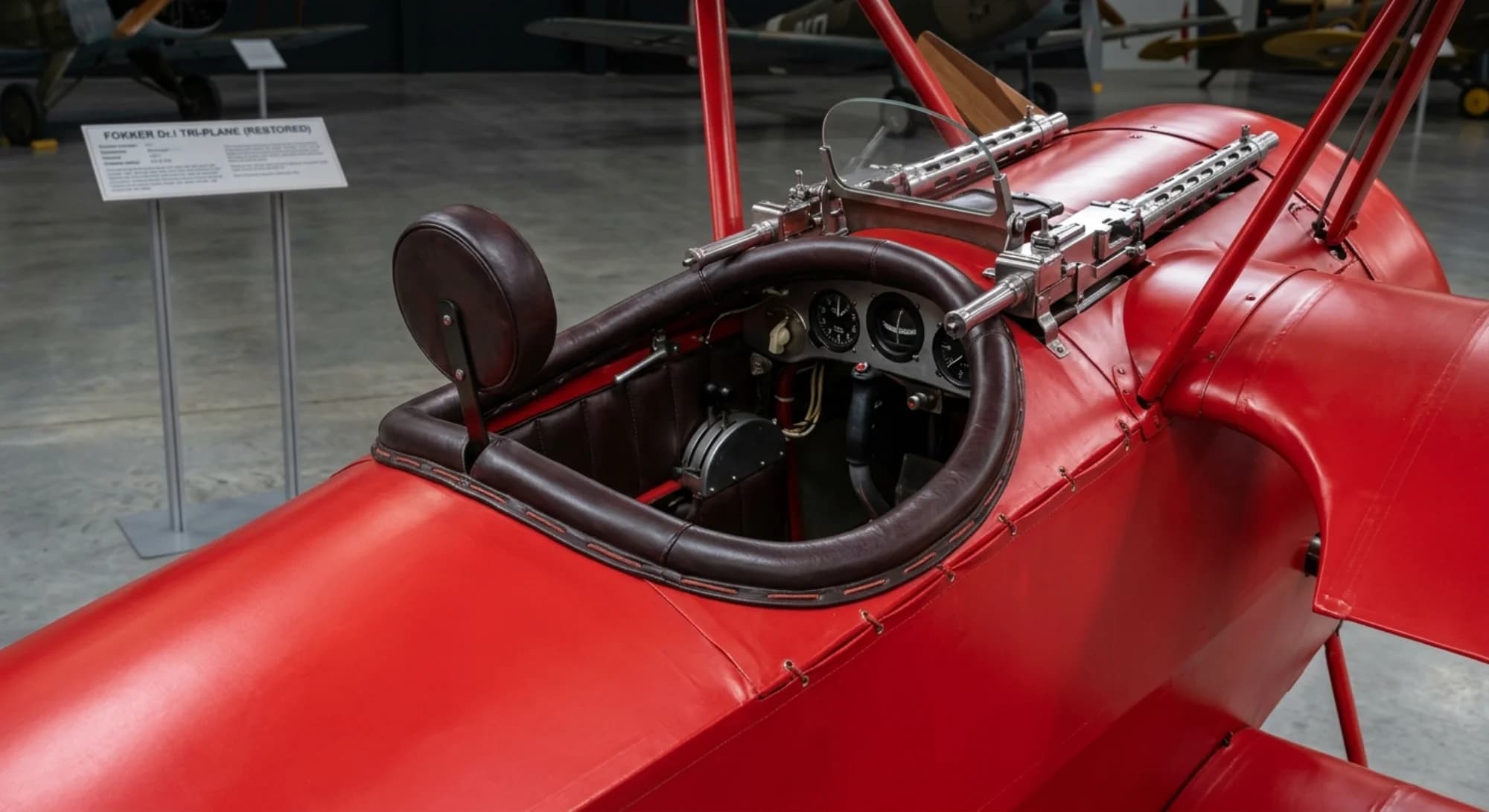
The iconic triplane of WWI, forever associated with the Red Baron. Its exceptional maneuverability made it a feared dogfighter.
History
The Fokker Dr.I triplane became the most recognizable fighter of World War I, largely due to its association with Manfred von Richthofen, the Red Baron, who scored his final 19 victories in the type. Its three-wing design provided exceptional climb rate and maneuverability, though it was slower than contemporary biplanes. Inspired by the Sopwith Triplane, Reinhold Platz created a cantilever design that eliminated most bracing wires. Though only 320 were built and it served for barely a year, it remains the most iconic WWI fighter.
Timeline
Production & Heritage
Technical Specifications
Engine Details
Performance
Dimensions
Weights
Armament
Capacity
Tags
Designed by Reinhold Platz
Featured in
Keep Exploring
View all aircraft
Boeing
B-17 Flying Fortress
1935 - 1968 · Bomber
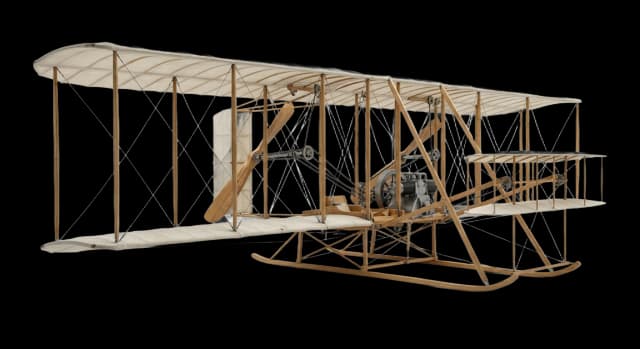
Wright Brothers
Wright Flyer
1903 - 1903 · Experimental
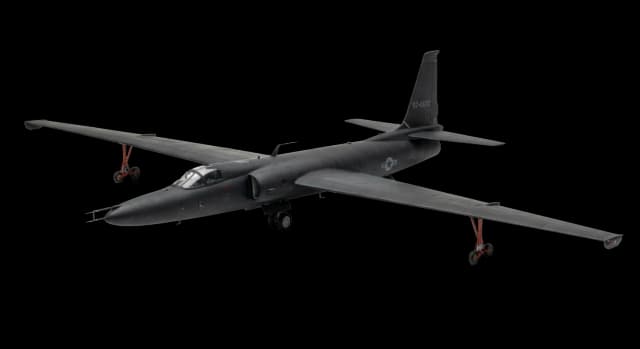
Lockheed Martin
Lockheed U-2
1955 · Reconnaissance
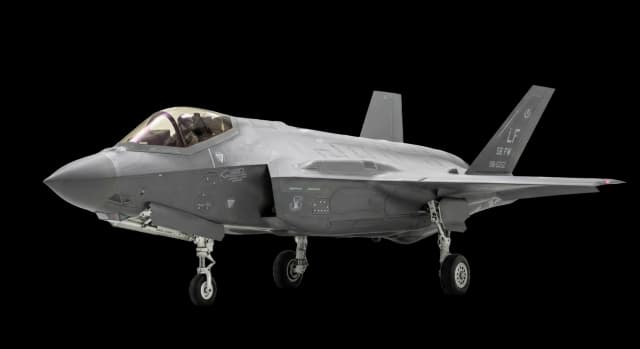
Lockheed Martin
Lockheed Martin F-35 Lightning II
2006 · Fighter
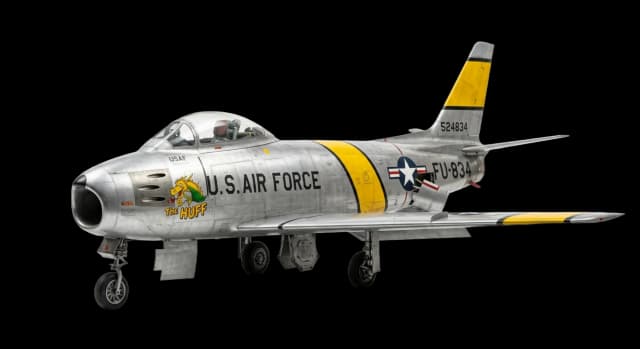
North American Aviation
North American F-86 Sabre
1947 - 1993 · Fighter
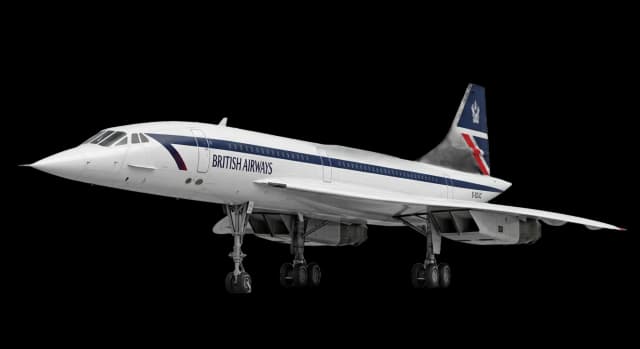
Aerospatiale/BAC
Concorde
1969 - 2003 · Airliner
