Tiger Moth

1931-1959
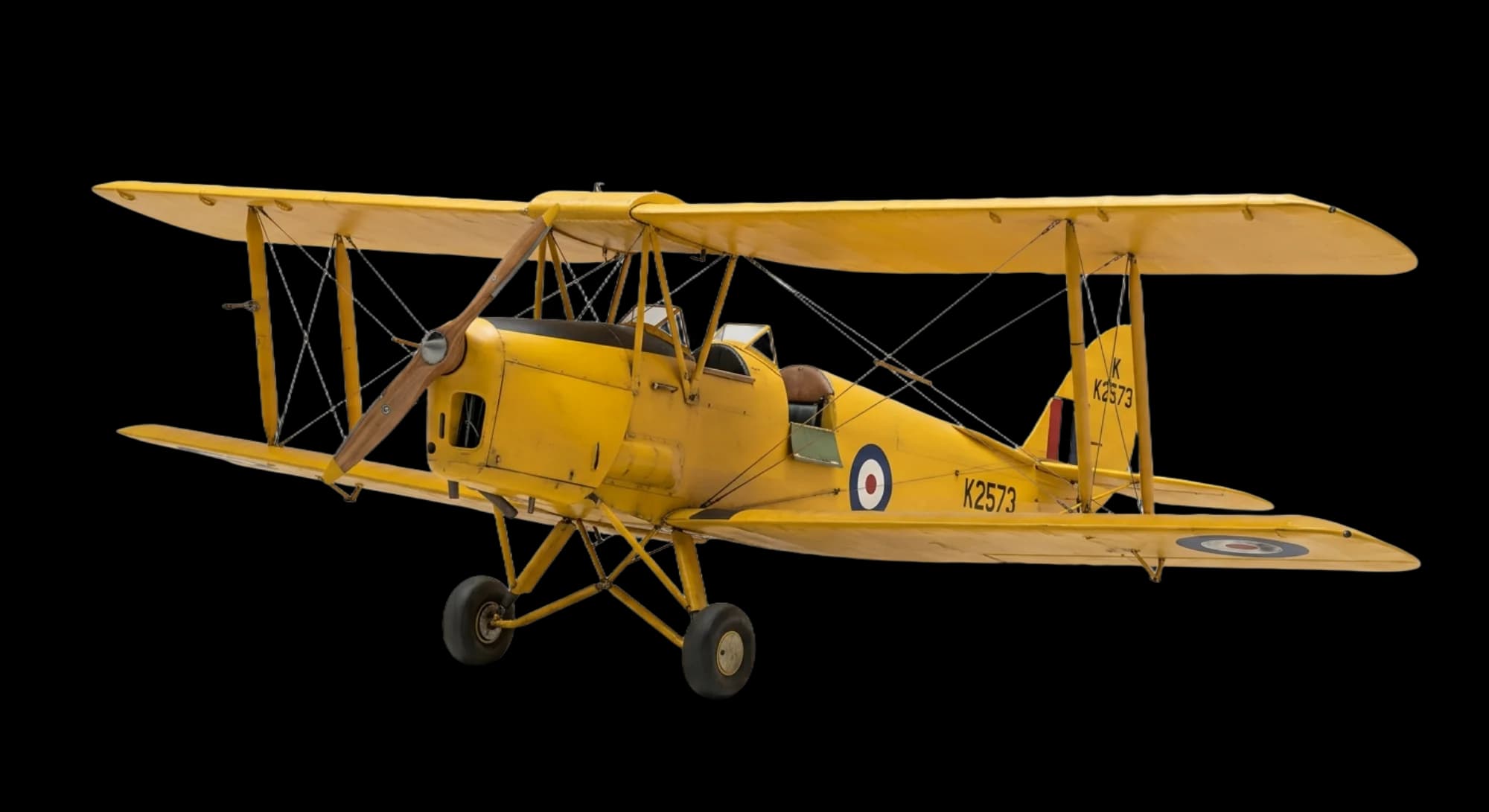
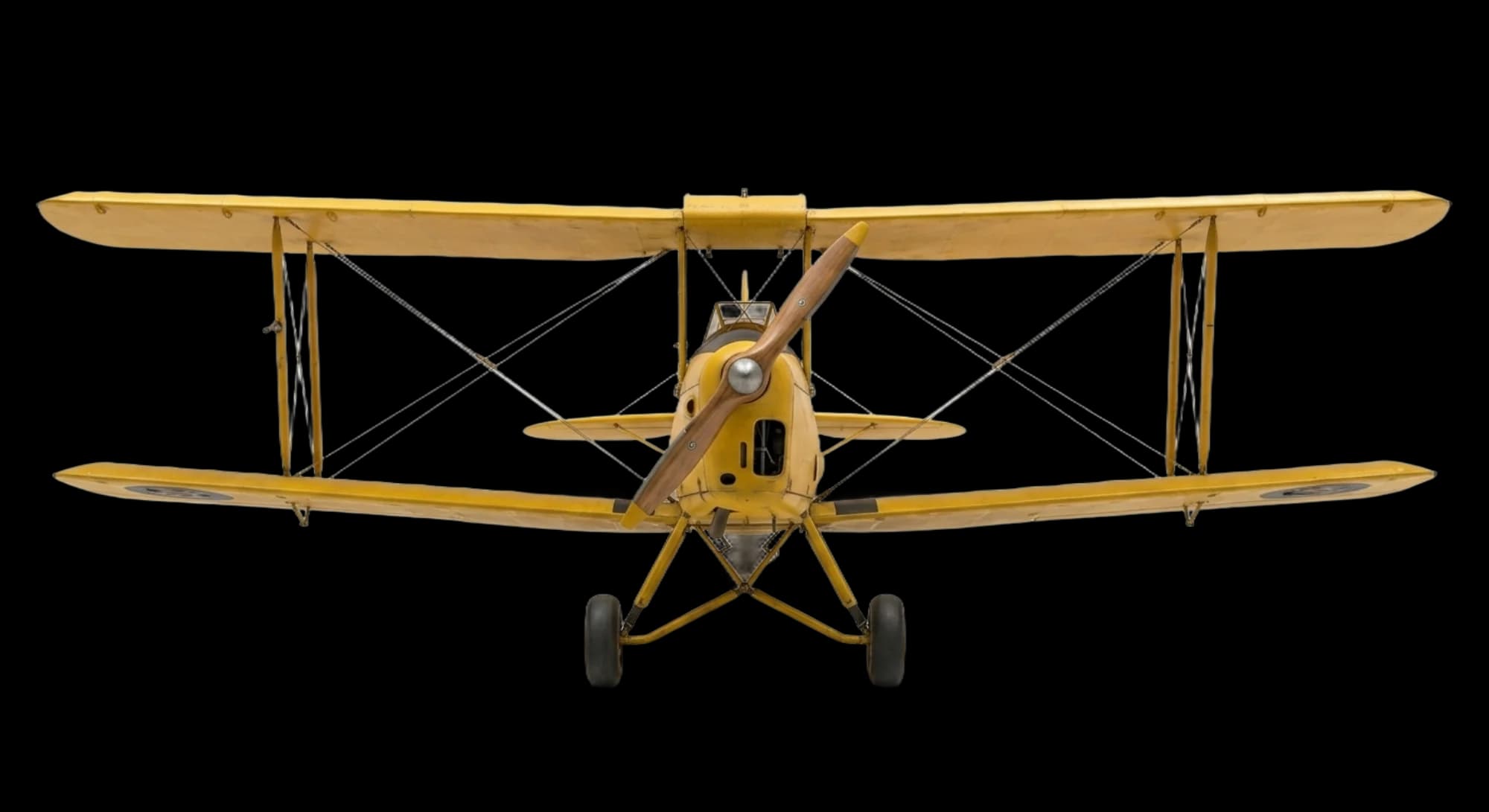
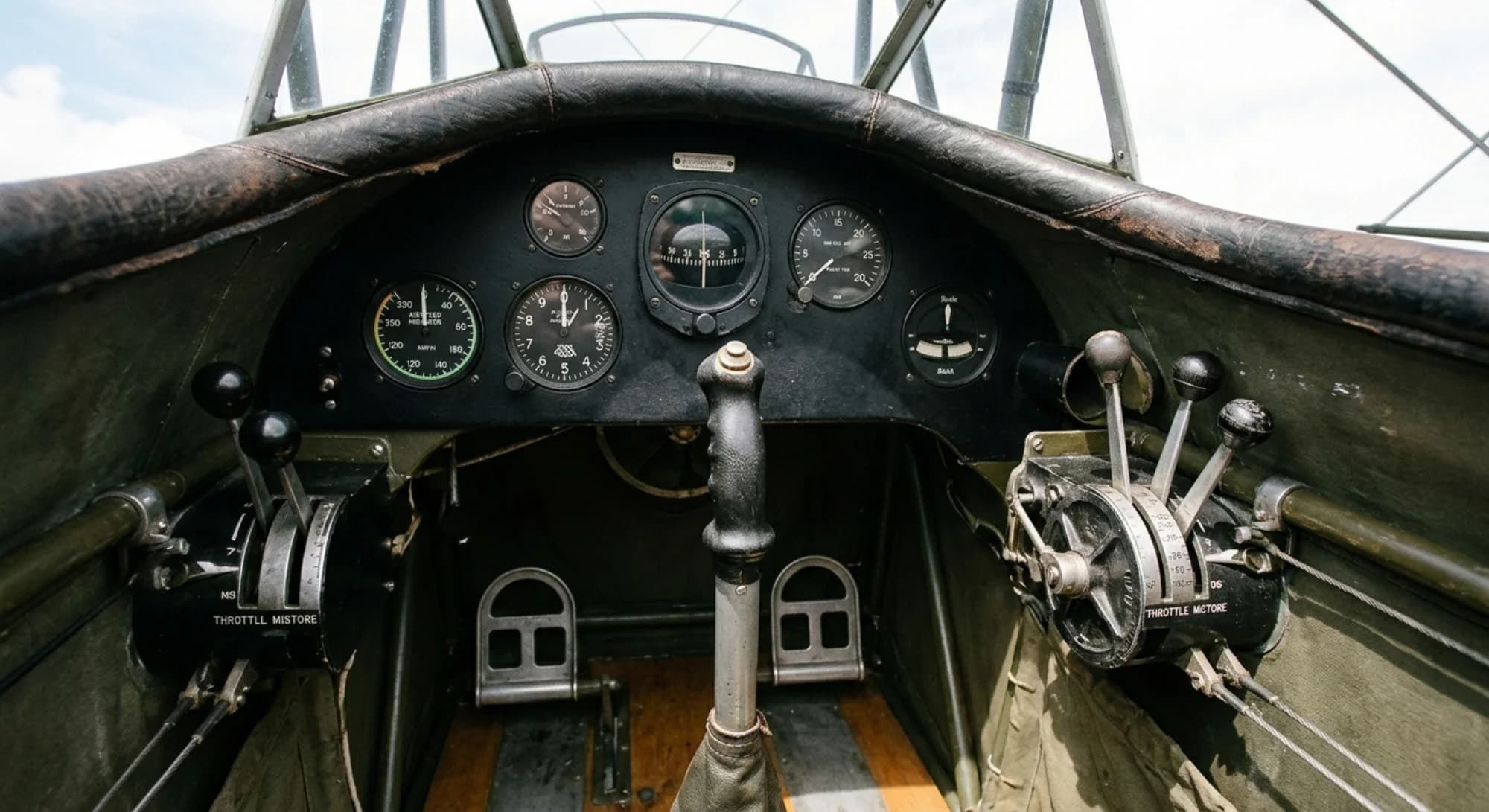
de Havilland Tiger Moth 1931 - Front 3/4 viewde Havilland Tiger Moth 1931 - Front viewde Havilland Tiger Moth 1931 - Profile viewde Havilland Tiger Moth 1931 - Rear 3/4 viewde Havilland Tiger Moth 1931 - Rear viewde Havilland Tiger Moth 1931 - Cockpit viewde Havilland Tiger Moth 1931 - Cabin viewde Havilland Tiger Moth 1931 - Instrument Detail view
Front 3/4
Cultural impact

The biplane that trained a generation of WWII pilots. Virtually every RAF, RAAF, and RCAF pilot learned to fly in a Tiger Moth.

History

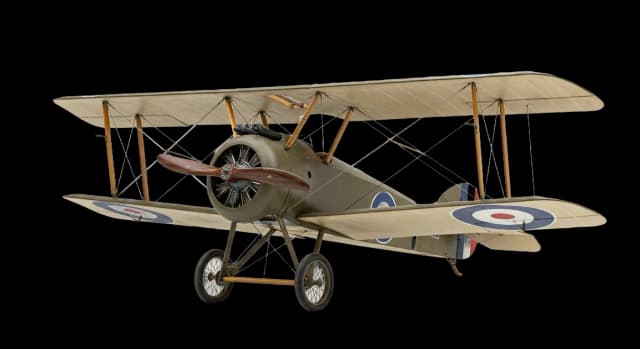
The de Havilland DH.82 Tiger Moth became the primary basic trainer for the Royal Air Force and Commonwealth air forces from the 1930s through WWII. Its forgiving flying characteristics and robust construction made it ideal for teaching novice pilots the fundamentals of flight. Thousands of Allied pilots, from Battle of Britain aces to Bomber Command crews, took their first flights in Tiger Moths under the British Commonwealth Air Training Plan. After the war, surplus Tiger Moths became the foundation of civilian flying clubs worldwide. Today, the Tiger Moth remains one of the most beloved vintage aircraft, with hundreds still flying at airshows and flying schools. It represents the romantic era of open-cockpit biplane flying at its finest.

Timeline

1931First flight
1932Selected as the RAF's primary basic trainer, beginning a 20-year training career
1940Commonwealth Air Training Plan launches: Tiger Moths train over 130,000 pilots across Canada, Australia, and South Africa
1959Retired from service

Production & Heritage

Production Total8,868
DesignerGeoffrey de Havilland
Service Period1931-1959

Technical Specifications

Engine1x de Havilland Gipsy Major I inline
Max Speed109 mph
Crew2
Wingspan29.3 ft
Length23.9 ft
Empty Weight1,115 lbs
Max Weight1,825 lbs

Tags

Designed by Geoffrey de Havilland
Keep Exploring

View all aircraft
SKIES HERITAGECookie Preferences

We use only essential cookies to make this archive work. No tracking or advertising cookies.

Learn more