Top Gun to Twilight: The Changing World of the Fighter Pilot
The fighter pilot was once the ultimate symbol of individual skill and bravery. In an age of sensor fusion, helmet displays, and AI wingmen, what does it mean to be a fighter pilot now?
Introduction
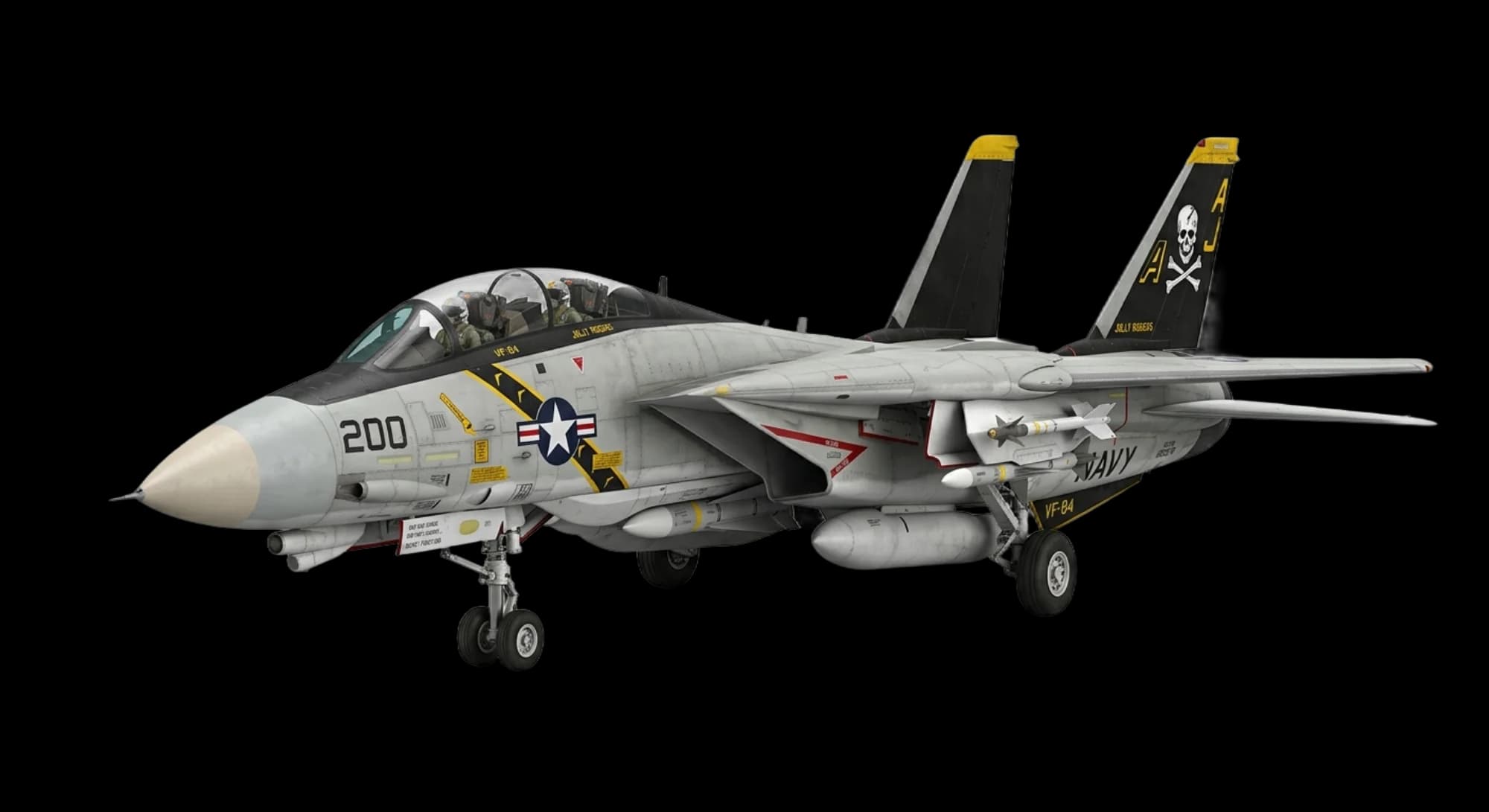
In 1986, a film called Top Gun turned the F-14 Tomcat into the most famous fighter aircraft on Earth and its pilots into rock stars. Recruitment at Navy aviation schools surged 500%. The image it created, a lone pilot pulling 7 Gs in a dogfight, eyes locked on the enemy through a tinted visor, became the defining portrait of the fighter pilot for a generation.
That portrait is now almost completely obsolete.
The Dogfighter's Decline
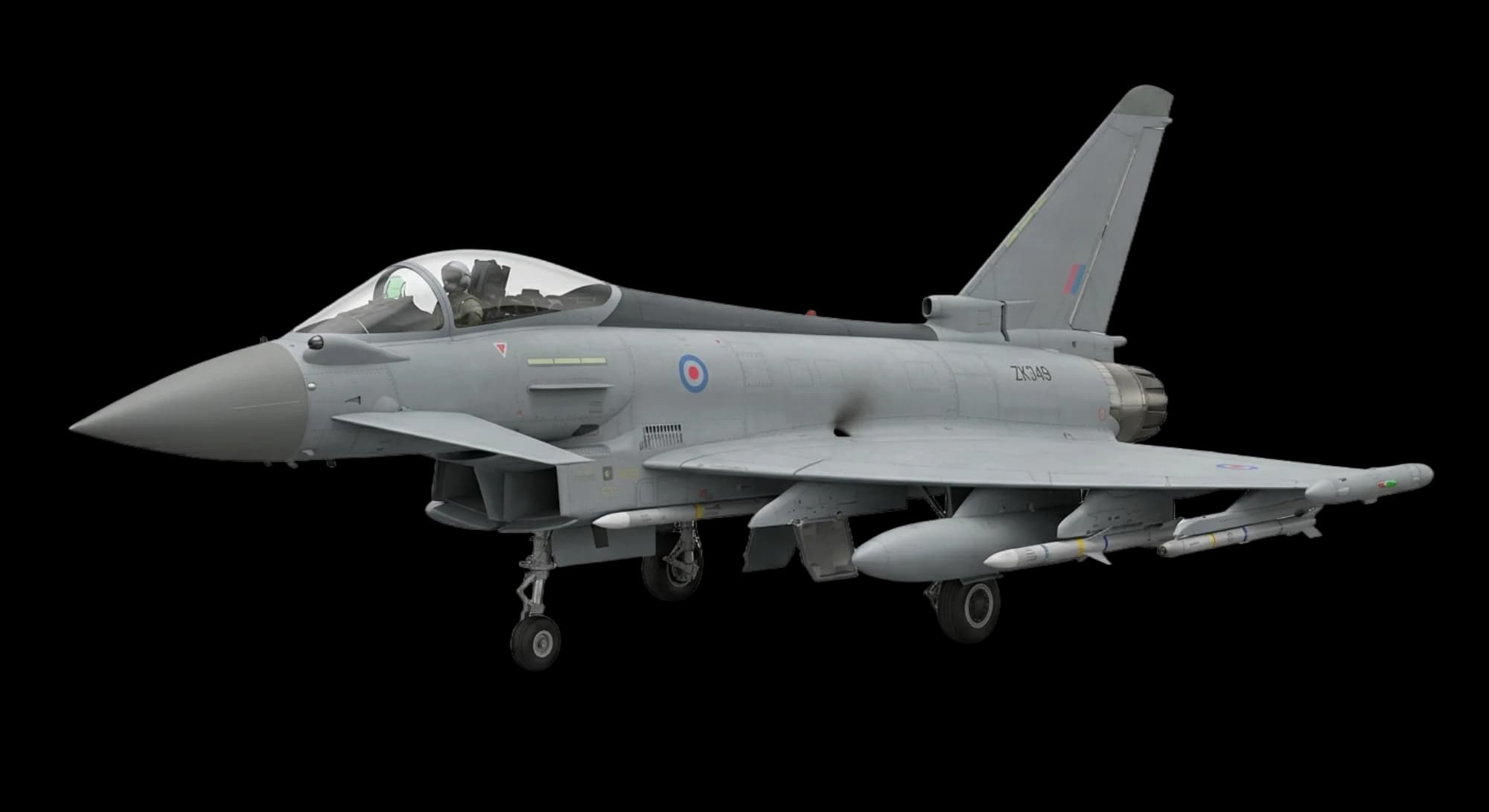
The last confirmed gun kill in air-to-air combat by a Western fighter pilot was in 1988, when a US Navy F-14 shot down a Libyan MiG-23 with an AIM-9 Sidewinder after a brief engagement over the Mediterranean. Since then, every Western aerial victory has been achieved with beyond-visual-range missiles, fired at targets the pilot often cannot see with the naked eye.
The art of dogfighting, the turning, twisting, close-range combat that defined air warfare from the Red Baron through Vietnam, has been rendered largely irrelevant by modern radar and missile technology. An F-22 Raptor pilot can detect, track, and destroy an enemy aircraft at ranges exceeding 100 miles without ever seeing it. The romantic image of the duellist has given way to the reality of the systems operator.
The Sensor Fusion Revolution
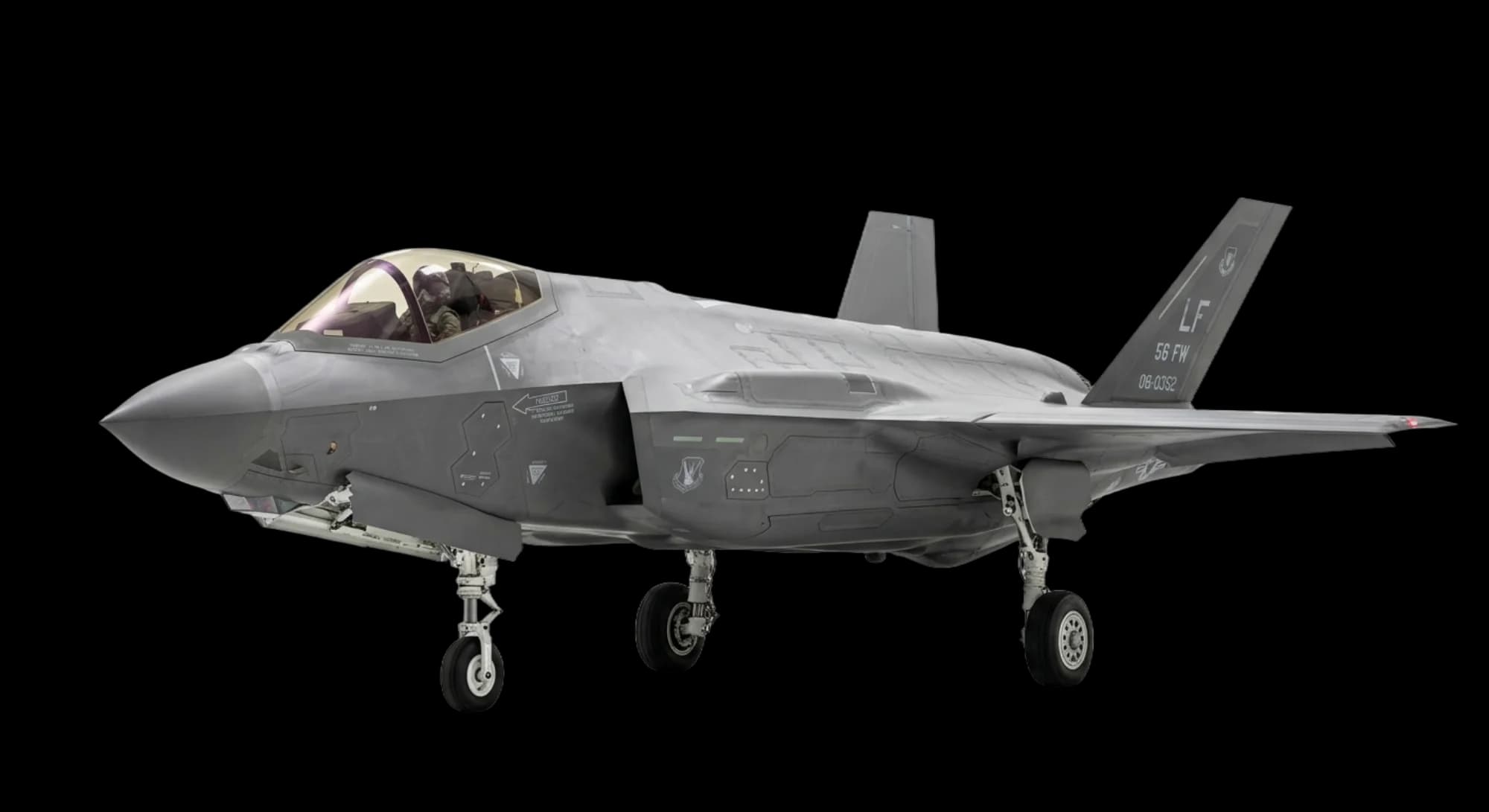
The F-35 Lightning II represents the most radical change in what a fighter pilot does since the jet engine. Its pilot does not primarily fly the aircraft. The flight control computers do that. The pilot does not search for targets. The sensor fusion system does that, combining data from radar, infrared sensors, electronic warfare systems, and datalinks from other aircraft into a single unified picture displayed on the helmet visor.
An F-35 pilot's job is to manage information and make decisions. Which targets to prioritize. Which threats to avoid. When to fire. When to share targeting data with other platforms. The physical demands of flying, once the primary challenge, have been largely automated. The cognitive demands have exploded.
G-Forces and Human Limits
One thing has not changed: the human body remains the weakest component in a fighter aircraft. A sustained 9-G turn, standard in modern air combat maneuvering, means the pilot weighs nine times their normal body weight. Blood drains from the brain toward the feet. Without a G-suit squeezing the legs and abdomen, the pilot loses consciousness in seconds.
Modern anti-G systems are sophisticated but imperfect. The G-suit inflates automatically, and pilots train obsessively in centrifuges and in the air. But the physiological toll is cumulative. Neck injuries from the weight of the helmet during high-G maneuvers are endemic among fighter pilots. The addition of the F-35's heavy helmet-mounted display system has made this worse.
This is one of the strongest arguments for autonomous combat aircraft. A drone does not black out at 9 Gs. It does not suffer spinal compression. It can pull 15 or even 20 Gs, maneuvers that would kill a human pilot instantly.
From Solo Act to Orchestra Conductor
The future fighter pilot, if the role survives at all, will likely command a formation of AI-driven drones while flying a manned command aircraft. The US Air Force's Collaborative Combat Aircraft program envisions exactly this: one manned fighter directing several autonomous wingmen that absorb the most dangerous missions.
This transforms the fighter pilot from a solo performer into an orchestra conductor. The individual skill, the stick-and-rudder talent that defined aces from Manfred von Richthofen to Chuck Yeager to Pete Mitchell, becomes less important than the ability to manage complex systems under pressure.
The Pilot Shortage
Ironically, even as the fighter pilot's traditional role diminishes, air forces worldwide face a critical shortage of qualified pilots. The US Air Force is short approximately 1,900 pilots. Training a fighter pilot costs over $11 million and takes years. Retention is a constant struggle as commercial airlines offer higher pay with less danger and more predictable schedules.
This economic reality is itself accelerating the push toward autonomous systems. If you cannot recruit and retain enough human pilots, the logical alternative is to build aircraft that do not need them.
The Last of Their Kind?
The pilots flying F-22s and F-35s today may be the last generation of fighter pilots in the traditional sense. Their children, if they enter military aviation, may command drone swarms from the ground or from the backseat of a command aircraft. The era of the single-seat fighter pilot, the lone warrior in the sky, is drawing to a close.
But the mystique will endure. Just as the cavalry trooper became a symbol of a vanished way of war, the fighter pilot will become an icon of the age when humans still looked through canopy glass at an enemy they could see.
Written by Singular Heritage Team
Published March 4, 2026 · 7 min read
Part of the Singular Heritage network