Stealth: How Invisible Aircraft Changed Warfare Forever
The idea of an aircraft invisible to radar seemed like science fiction until Lockheed's engineers discovered that a Soviet physicist had already solved the hardest problem. What followed was a revolution in military aviation that continues to define air power today.
Introduction
On January 17, 1991, at 2:51 a.m. Baghdad time, Major Greg Feest of the 415th Tactical Fighter Squadron pressed the release button on his weapons panel. Two laser-guided bombs dropped from the internal bay of his F-117A Nighthawk and struck the Nukhayb Intercept Operations Center in western Iraq. It was the opening shot of Operation Desert Storm, and it announced to the world that stealth technology had arrived.
The Soviet Equation
The intellectual foundation of stealth came from an unlikely source. In 1964, Pyotr Ufimtsev, a Soviet physicist at the Moscow Institute of Radio Engineering, published a paper titled "Method of Edge Waves in the Physical Theory of Diffraction." The paper presented mathematical equations for predicting the radar cross-section of various geometric shapes. Soviet military planners considered it purely theoretical and allowed it to be published openly. They did not classify it.
A decade later, a Lockheed mathematician named Denys Overholser read a translated copy of Ufimtsev's paper and realized its practical implications. If you could predict the radar return of a given shape, you could design a shape that minimized that return. Overholser brought the paper to Ben Rich, Kelly Johnson's successor at the Skunk Works, with a simple message: they could build an aircraft nearly invisible to radar.
Have Blue
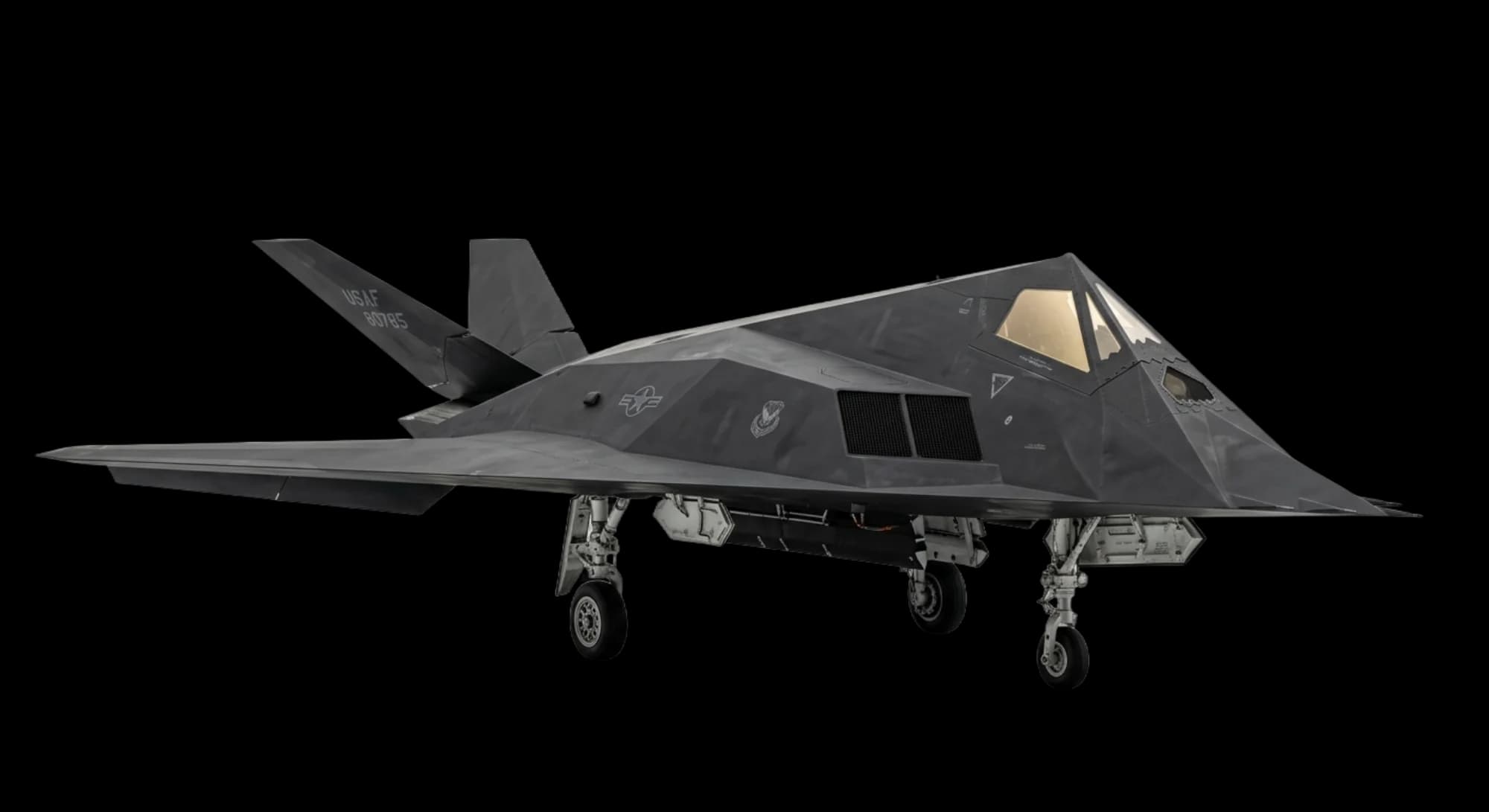
The result was Have Blue, two small proof-of-concept aircraft built in 1977. The design looked like nothing that had ever flown. Instead of the smooth curves typical of aircraft, Have Blue was composed of flat, angular panels arranged at precise angles to deflect radar energy away from the transmitting antenna. The aircraft resembled a faceted diamond more than an airplane.
Both Have Blue prototypes crashed during testing, one due to a landing gear failure and the other to an engine fire. But before they were lost, they proved the concept. The radar cross-section of the small aircraft was comparable to a ball bearing. The Skunk Works received a contract for a full-scale production aircraft: the F-117.
The F-117 Nighthawk
The F-117A first flew on June 18, 1981, and achieved initial operational capability in October 1983. The Air Force kept it classified until November 1988, operating it exclusively at night from the remote Tonopah Test Range in Nevada. Pilots were bused in on Monday, flew training missions at night, and returned home on Friday. Their families were told they flew A-7 Corsairs.
The F-117 was not a fighter despite its designation. It carried no radar, no guns, and no air-to-air missiles. It was a precision strike aircraft designed to penetrate heavily defended airspace and deliver two laser-guided bombs on high-value targets. Its faceted shape, radar-absorbent coatings, and carefully shielded engine inlets reduced its radar cross-section to approximately 0.003 square meters, roughly the equivalent of a small bird.
In Desert Storm, F-117s flew 1,271 sorties and struck 1,600 high-value targets in Iraq without a single loss. They constituted only 2.5 percent of Coalition tactical aircraft but struck 40 percent of strategic targets. The aircraft's effectiveness was not just about invisibility. It was about the cascading effect of being able to strike command centers, communications nodes, and air defense headquarters on the first night of a war, before the enemy could organize a coherent response.
The B-2 Spirit
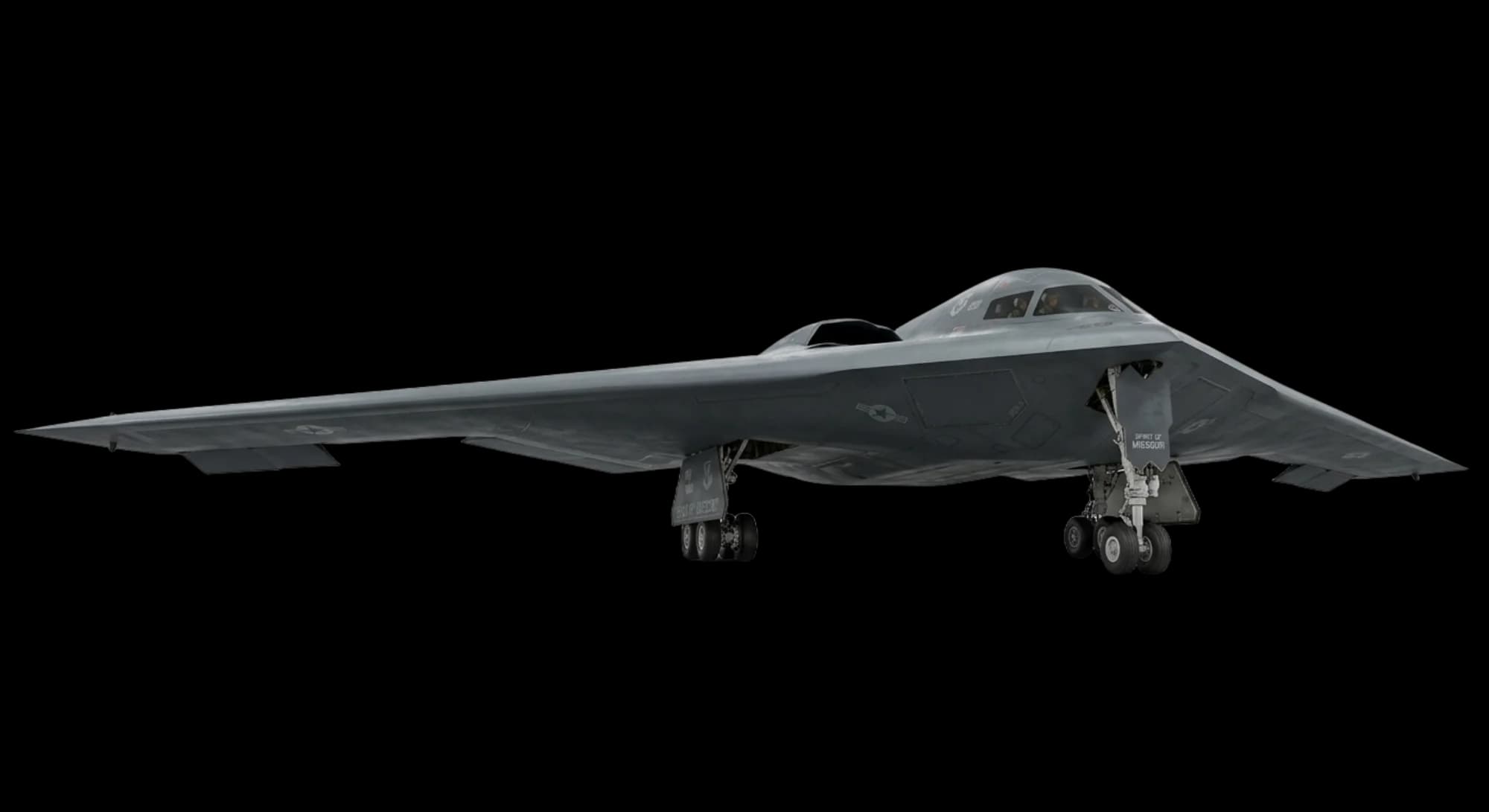
While Lockheed pursued faceted stealth, Northrop took a different approach. Jack Northrop had dreamed of flying wing aircraft since the 1940s, building the YB-35 and YB-49 bombers that were cancelled in favor of the conventional B-36. Decades later, his company returned to the flying wing concept for the Advanced Technology Bomber program.
The B-2 Spirit, which first flew on July 17, 1989, used curved surfaces rather than flat panels to achieve stealth. Advances in computational power since the F-117's design allowed engineers to calculate the radar return of smooth shapes, eliminating the need for faceting. The result was an aircraft with an even lower radar cross-section than the F-117, housed in a graceful flying wing spanning 172 feet.
The B-2 could carry up to 40,000 pounds of ordnance, including nuclear weapons, across intercontinental distances without refueling. Only 21 were built, at a unit cost that exceeded $2 billion each, making the B-2 the most expensive aircraft ever produced. Each one was named after a U.S. state.
Fifth Generation: The F-22 Raptor
The F-22 Raptor, which achieved initial operational capability in 2005, represented the next evolution. Unlike the F-117, the F-22 was a true air superiority fighter that combined stealth with supercruise (sustained supersonic flight without afterburner), thrust vectoring, and advanced sensor fusion. Its AN/APG-77 radar could detect targets at extreme range while its own radar cross-section remained minimal.
The F-22 introduced the concept of information dominance. Its sensors gathered data from multiple sources, fused it into a coherent tactical picture, and presented it to the pilot on integrated displays. The pilot did not need to interpret raw radar returns or cross-reference different systems. The aircraft did that work, allowing the pilot to make faster and better decisions than any adversary.
The New Normal
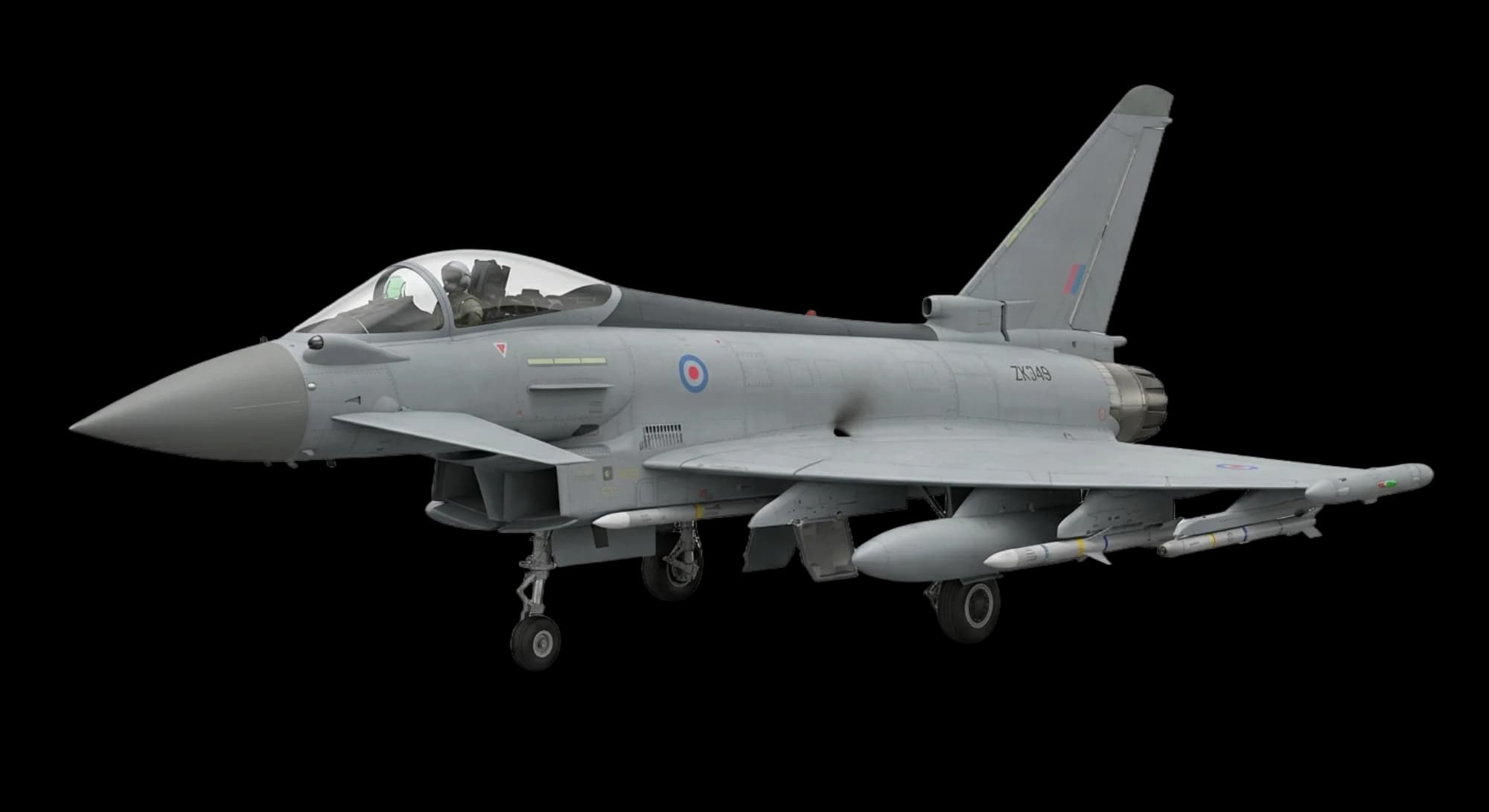
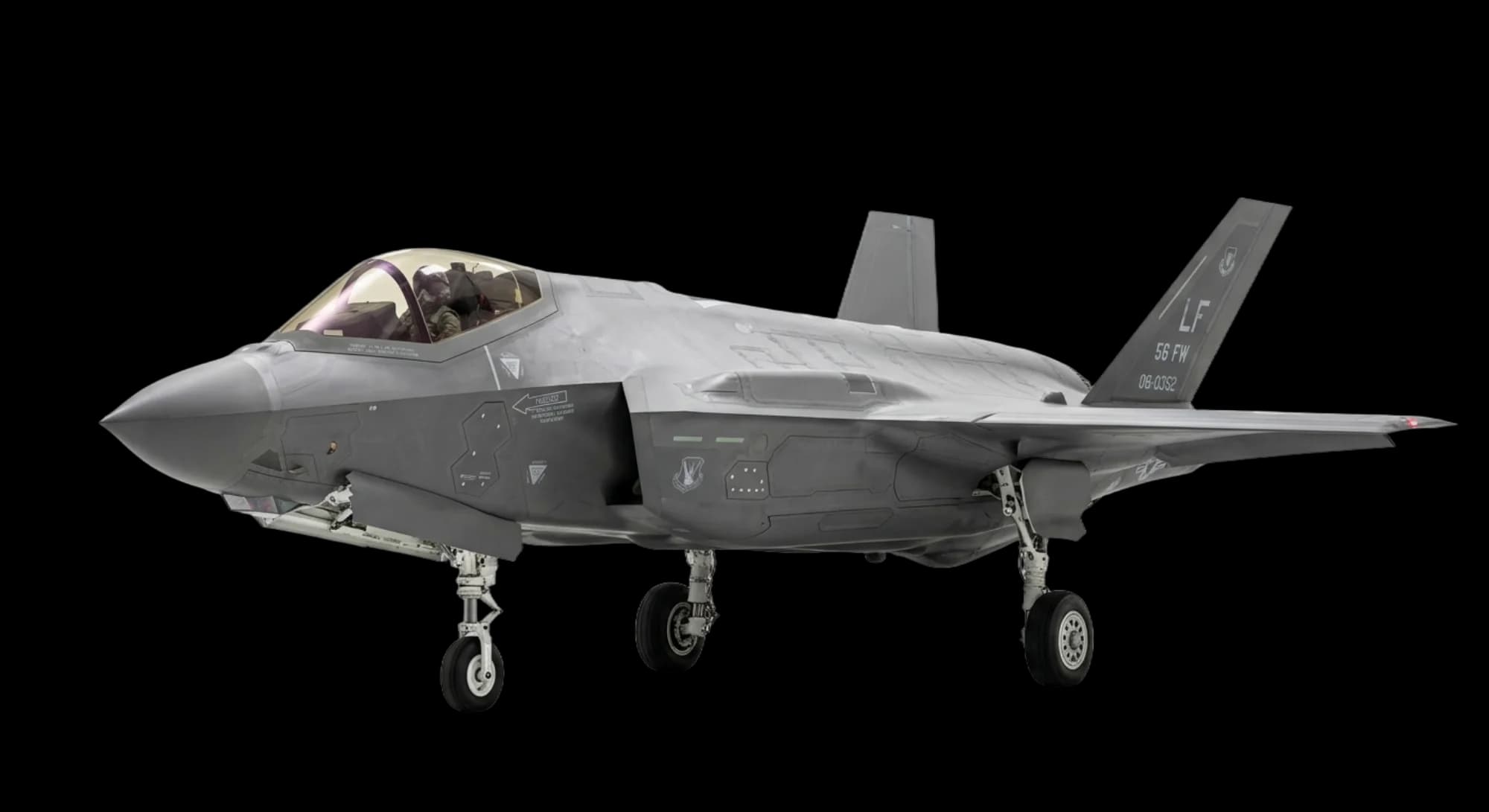
Stealth is no longer experimental. It is the baseline requirement for any serious military aircraft program. The F-35 Joint Strike Fighter, the B-21 Raider, China's J-20, and Russia's Su-57 all incorporate stealth as a fundamental design element. The era when an aircraft could survive in contested airspace through speed, altitude, or electronic countermeasures alone is over.
From Ufimtsev's theoretical paper to the F-22's sensor fusion, the stealth revolution took roughly 40 years. It began with a Soviet equation that Soviet planners considered unimportant. It was realized by American engineers who understood its practical value. And it produced aircraft that changed the fundamental dynamics of warfare: the ability to strike without being seen, to observe without being detected, and to dominate airspace through information rather than numbers alone.
Written by Singular Heritage Team
Published February 16, 2026 · 7 min read
Part of the Singular Heritage network