The Pacific Shift: Why Geography Will Define the Next Air War
As China rises as a military peer, the vast distances of the Pacific are reshaping how air forces think about range, basing, and the aircraft they need. The tyranny of distance is back.
Introduction
The distance from Guam to Taiwan is 1,700 miles. From Kadena Air Base in Okinawa, it is 400 miles. From the nearest Chinese airfield, it is 100 miles. These numbers explain, more than any policy document, why the next great challenge in air power is about geography.
The Tyranny of Distance
For most of the jet age, Western air forces fought in Europe and the Middle East, theaters where bases were plentiful and distances manageable. A Cold War F-15 sitting at Bitburg Air Base in West Germany was minutes from the inter-German border. A Marine Corps F/A-18 at Al Udeid in Qatar was within easy range of any target in the Gulf.
The Pacific is a different world entirely. The distances are oceanic. Bases are few, exposed, and increasingly vulnerable. China's People's Liberation Army has invested heavily in medium-range ballistic missiles specifically designed to destroy runways and parked aircraft at bases like Kadena, Misawa, and Guam. The DF-26 anti-ship ballistic missile can reach targets over 2,500 miles from mainland China, putting every US facility in the western Pacific at risk.
This changes everything about how air forces must operate.
The Basing Problem
In the European Cold War, NATO had dozens of hardened air bases distributed across West Germany, the Benelux countries, and the UK. If one was destroyed, aircraft could disperse to another. In the Pacific, options are limited. Japan's bases are within range of Chinese missiles. Guam, the nearest sovereign US territory, is a small island with limited infrastructure.
The solution being developed is Agile Combat Employment (ACE), a concept that disperses aircraft to austere airfields, highway strips, and remote locations across the Pacific. Instead of concentrated formations at a few major bases, small packages of fighters operate from improvised locations, supported by minimal ground crews and pre-positioned supplies.
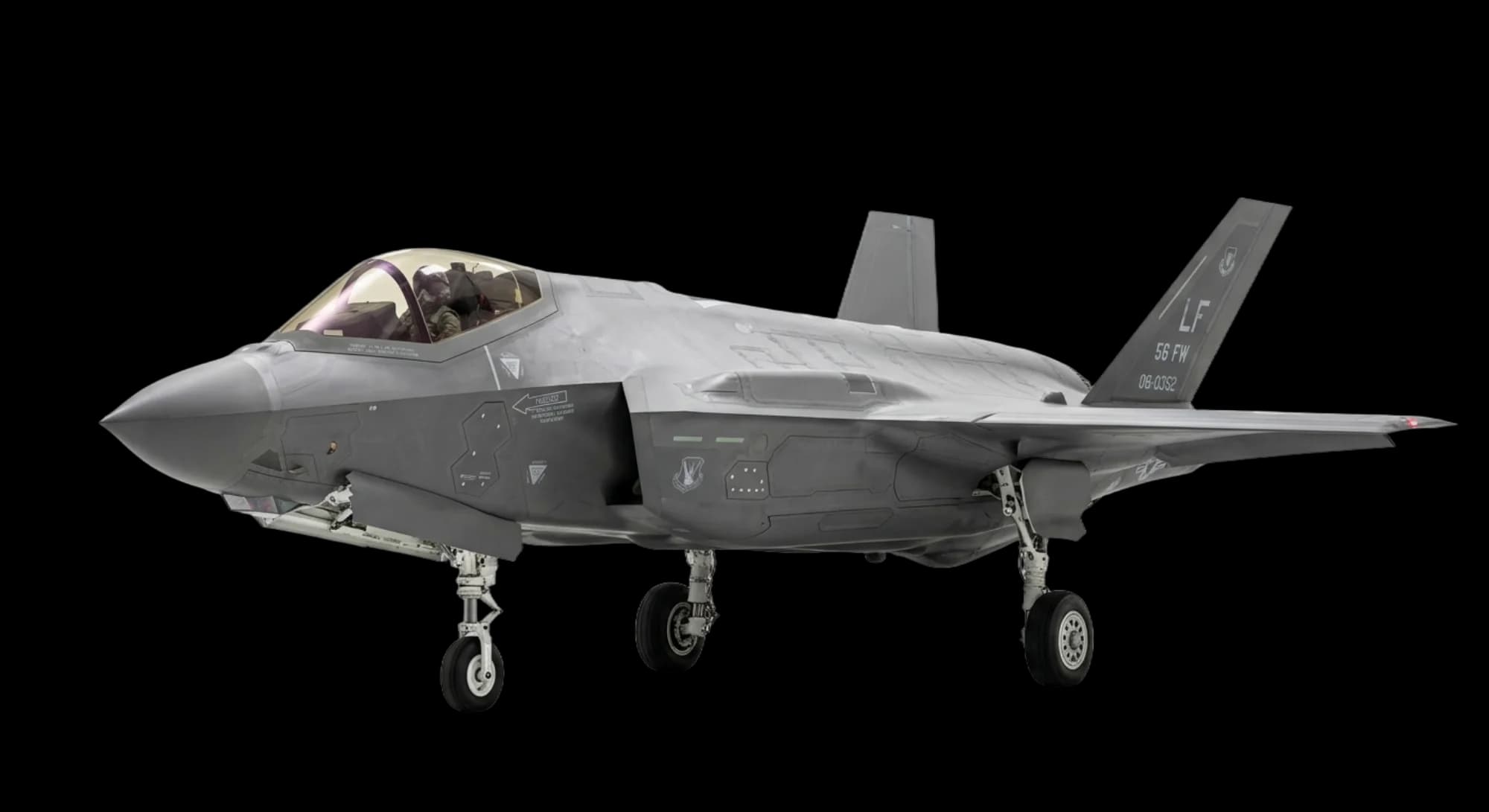
This sounds straightforward but is operationally enormous. Modern fighter aircraft, particularly the F-22 and F-35, require sophisticated maintenance, secure communications, and controlled environments for their stealth coatings. Operating them from a highway strip on a Pacific island is a fundamentally different proposition from operating them from Langley AFB.
Range: The New Currency
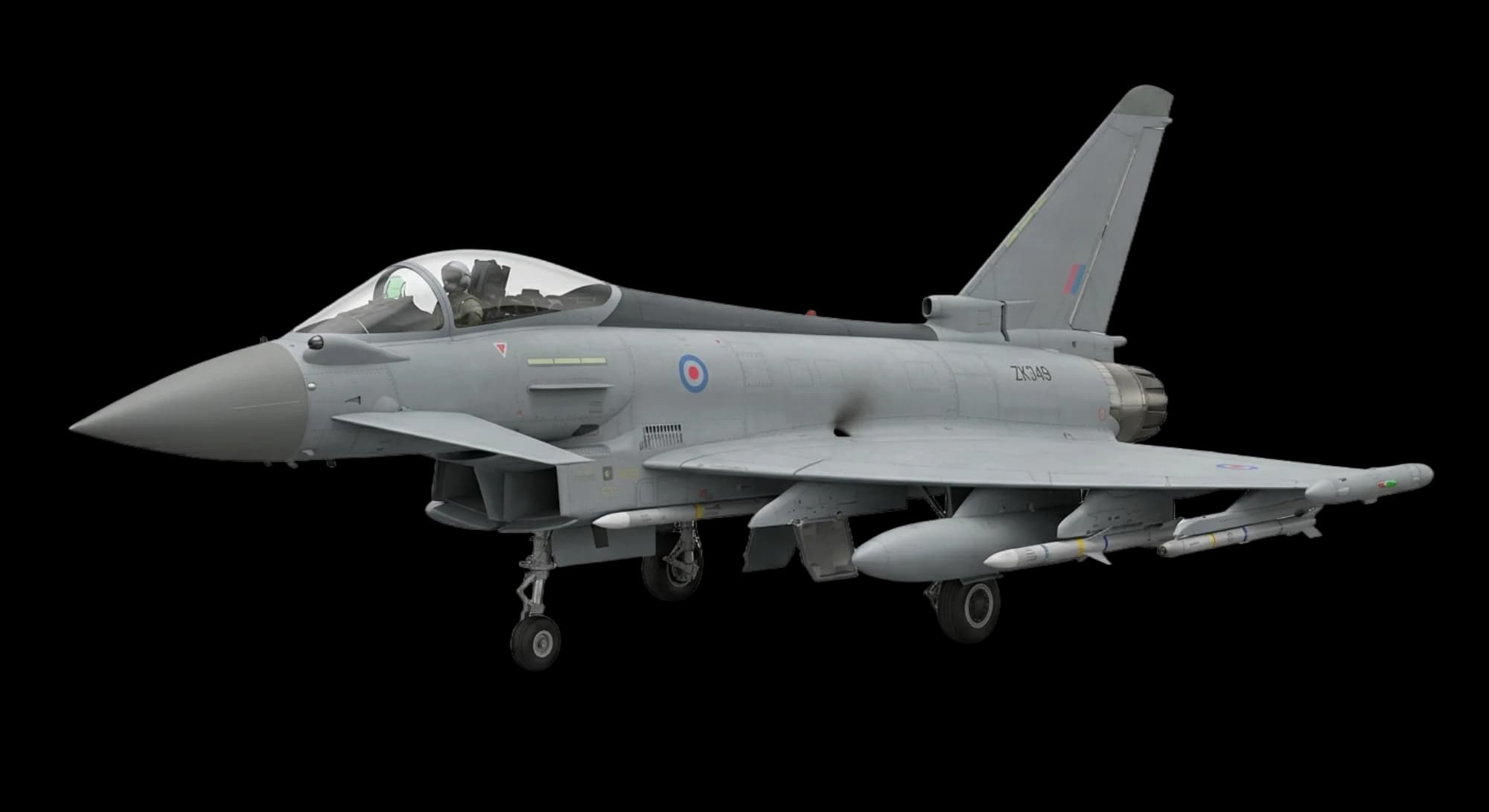
The F-35A has an unrefueled combat radius of approximately 670 miles. The F-22's is roughly 590 miles. From Guam, neither can reach Taiwan and return without aerial refueling. From Kadena, they can, but Kadena may not survive the opening hours of a conflict.
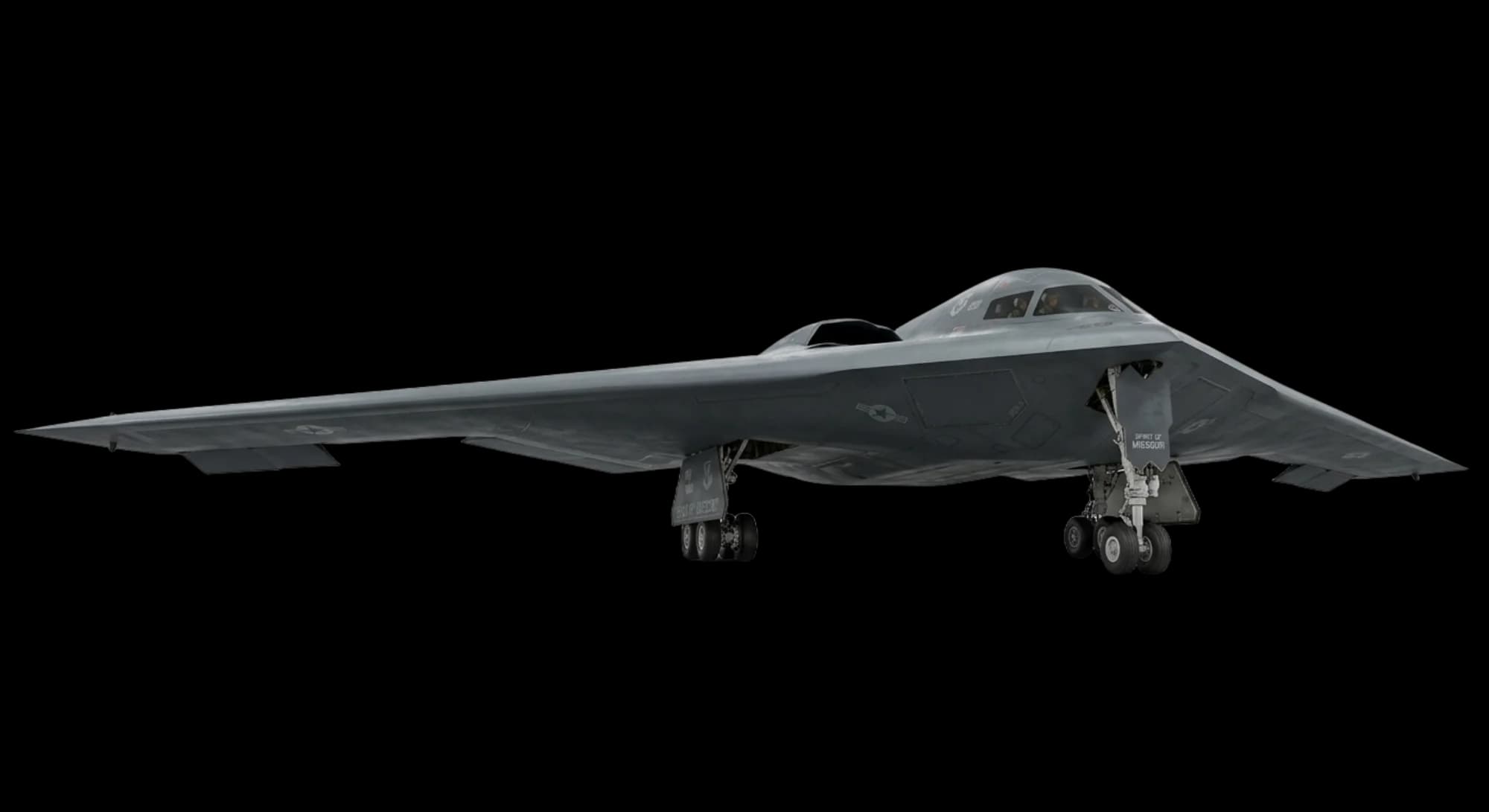
This is why range has become the most valued attribute in Pacific air power planning. The B-21 Raider's intercontinental range allows it to strike from bases in the continental United States, Australia, or Diego Garcia, well beyond the reach of Chinese missiles. The B-52's endurance makes it invaluable as a long-range cruise missile carrier.
For fighters, the equation is harder. The Air Force's restructured NGAD program acknowledges that a shorter-range, cheaper fighter paired with long-range autonomous wingmen may be more survivable than a single exquisite manned platform. The autonomous drones can be forward-deployed at greater risk, while the manned aircraft operates from safer standoff distances.
China's Counter-Air Strategy
China's approach to air power in the Pacific is asymmetric. Rather than matching the US fighter-for-fighter, the PLA has invested in what strategists call anti-access/area denial (A2/AD). The strategy uses layers of missiles, radars, electronic warfare systems, and naval forces to make the airspace within 1,000 miles of China's coast extremely dangerous for any adversary.
The Chengdu J-20, China's first stealth fighter, is designed not to dogfight F-22s but to penetrate US sensor networks and strike high-value targets like tankers, AWACS aircraft, and carriers. Without tankers, US fighters cannot reach the fight. Without AWACS, they lose situational awareness. The J-20 is a strategy made manifest.
Carrier Aviation's Dilemma
The US Navy's aircraft carriers have been the foundation of Pacific air power since 1942. But the carrier's relevance is under pressure. Chinese anti-ship ballistic missiles and hypersonic weapons threaten to push carriers beyond their aircraft's combat radius. A carrier forced to operate 1,000 miles from the Chinese coast cannot effectively project air power with aircraft that have a 600-mile combat radius.
The Navy's answer is the F/A-XX, a next-generation carrier fighter designed for longer range and greater autonomy. But the program is in its early stages. In the interim, the Navy is investing in unmanned tankers (MQ-25 Stingray) to extend the reach of its existing F/A-18E/F Super Hornets and F-35Cs.
Back to Basics
The Pacific shift is forcing air forces to rediscover lessons their predecessors knew intimately. The long-range P-38 Lightning was designed for Pacific distances. The P-51 Mustang's value lay in its range. The B-29 was built specifically to reach Japan from distant island bases. The F-14 Tomcat's Phoenix missile was designed to defend carrier groups across vast ocean spaces.
Geography has always shaped air power. The Pacific is reminding a generation of planners that the most capable aircraft in the world is useless if it cannot reach the fight.
Written by Singular Heritage Team
Published March 7, 2026 · 7 min read
Part of the Singular Heritage network