The B-52 at 70: Why the World's Oldest Bomber Refuses to Die
First flown in 1952, the B-52 Stratofortress is being re-engined to serve until the 2050s. No other military aircraft has come close to 100 years of active duty. Here is why it endures.
Introduction
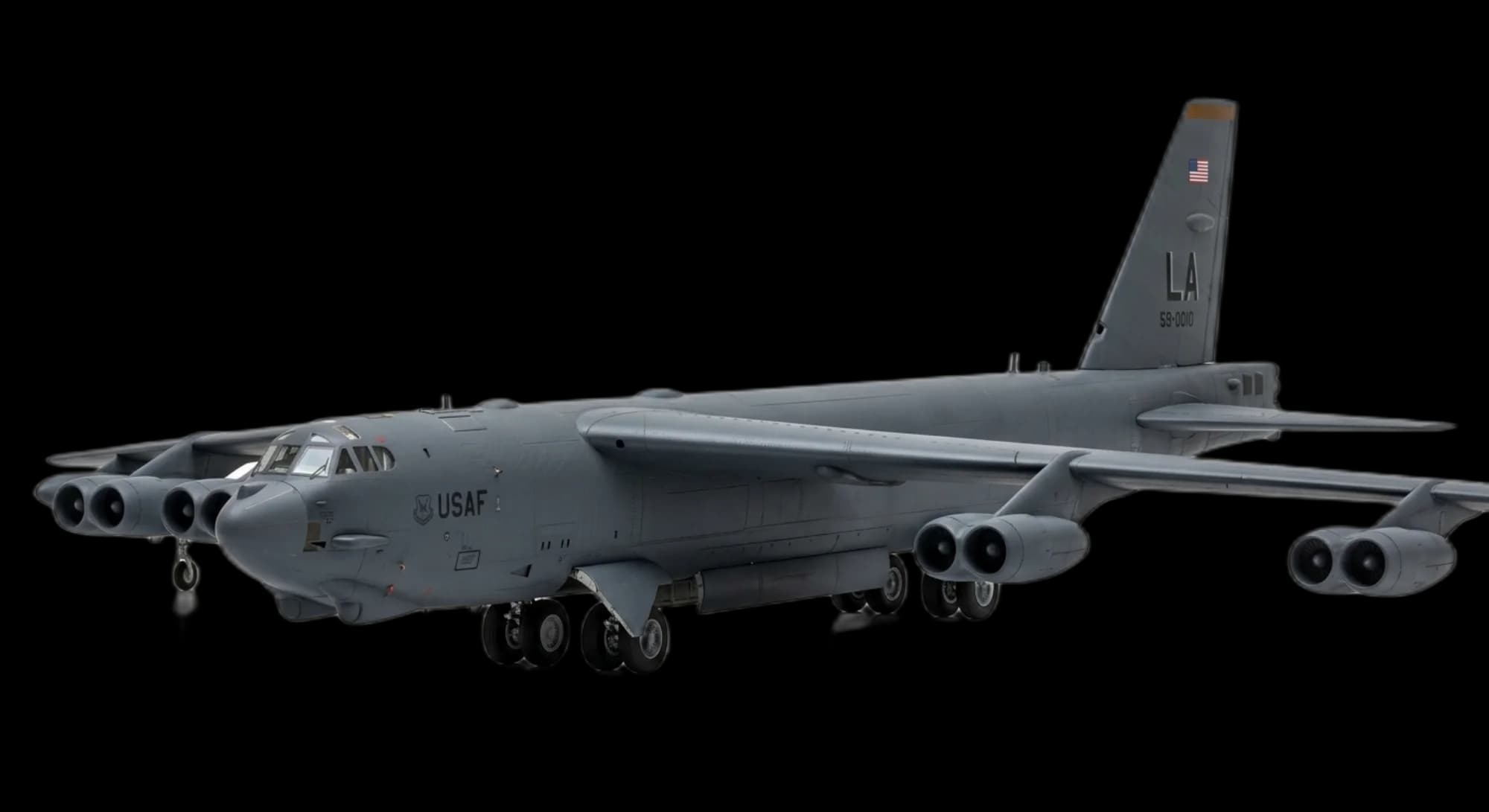
The Boeing B-52H Stratofortress that sits on alert at Barksdale Air Force Base in Louisiana was built in 1962. Its airframe is older than the pilots who fly it, older than their parents in many cases. It has been in continuous military service for over 60 years. And it is not going anywhere.
The US Air Force plans to keep the B-52 flying until at least the 2050s, giving the aircraft a service life approaching 100 years. No other military aircraft in history has come close. The question is not whether the B-52 will reach that milestone. It is why.
The Weekend That Changed Everything
The B-52 was born in October 1948, when a team of Boeing engineers checked into the Van Cleve Hotel in Dayton, Ohio, for what was supposed to be a routine meeting with Air Force procurement officers. The original requirement called for a long-range turboprop bomber. Over a single weekend, the team redesigned the entire aircraft as a swept-wing jet, producing a detailed proposal complete with a hand-carved balsa wood model.
The resulting XB-52 first flew in April 1952. The production B-52A entered service in 1955. Boeing built 744 Stratofortresses in eight variants before production ended in 1962. Every B-52 flying today is an H model, the final and most capable variant.
Why It Survives: The Truck Argument
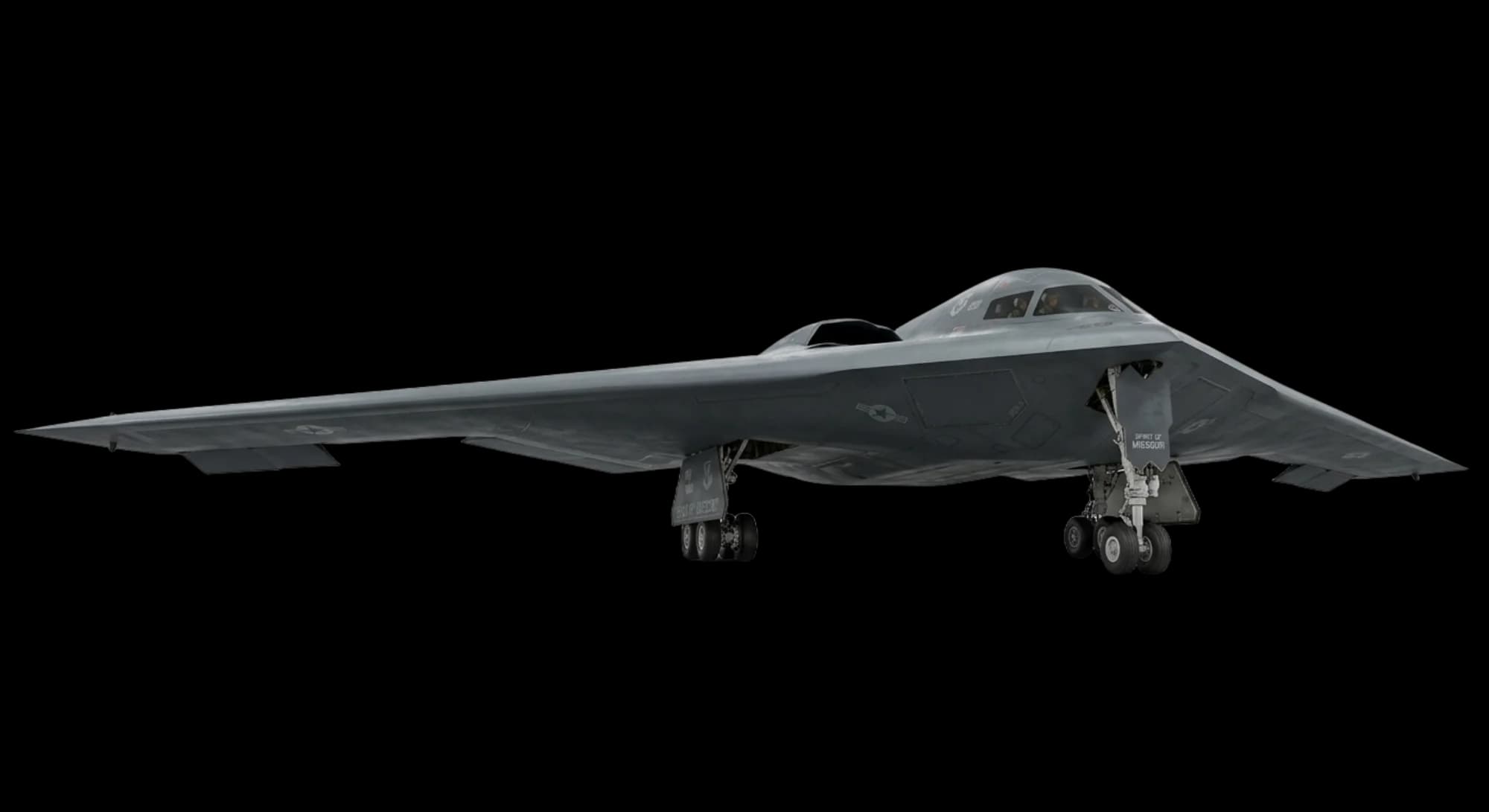
The B-52's longevity defies the conventional wisdom that military aircraft become obsolete as newer, more capable designs emerge. The B-1B Lancer was supposed to replace it. Then the B-2 Spirit was supposed to replace both. Neither did. The B-52 outlasted the B-1B in the nuclear mission and will outlast the B-1B entirely, as the Lancer fleet is scheduled for retirement in the late 2030s.
The reason is conceptually simple: the B-52 is a truck. It is not stealthy. It is not fast. It cannot penetrate modern air defenses. But it can carry an enormous payload of weapons, cruise for thousands of miles without refueling, and loiter on station for hours waiting for targets. With modern standoff cruise missiles like the AGM-158 JASSM, it does not need to enter defended airspace at all. It simply launches its weapons from hundreds of miles away.
This makes the B-52 essentially a flying missile truck. As long as the missiles get smarter and longer-ranged, the aircraft that carries them does not need to be particularly sophisticated. It just needs to get to the launch point.
The Re-Engine Revolution
The most significant upgrade in the B-52's history is now underway. The Commercial Engine Replacement Program (CERP) will replace the bomber's eight Pratt & Whitney TF33 engines, which date from the early 1960s, with eight new Rolls-Royce F130 turbofan engines.
The new engines will increase range by 40 percent, reduce fuel consumption by 30 percent, and dramatically lower maintenance costs. The TF33s are so old that spare parts must often be custom-manufactured. The F130, derived from the commercial BR725 engine used on business jets, brings modern reliability and a global supply chain.
The re-engining program also includes a new radar, modern communications systems, and the ability to carry the latest precision-guided weapons. When complete, the B-52 will be, in many respects, a new aircraft wearing an old airframe.
A Combat Record Without Equal
The B-52's combat history spans Vietnam, the Gulf War, Afghanistan, Iraq, and Syria. In each conflict, it adapted. In Vietnam, it carpet-bombed with unguided weapons in the controversial Operation Linebacker II raids. In the Gulf War, it launched cruise missiles for the first time. In Afghanistan and Iraq, it provided precision close air support to ground forces using GPS-guided bombs, a role no one envisioned when the aircraft was designed to drop nuclear weapons on the Soviet Union.
This adaptability is the B-52's greatest virtue. Every few decades, the weapons change, the mission changes, and the aircraft absorbs the update. The airframe itself, a simple, robust aluminum structure designed for high-altitude subsonic flight, has proven extraordinarily durable. The fatigue life of the B-52H is projected to remain viable well into the 2050s.
The Hundred-Year Bomber
When the last B-52H makes its final flight, it will have served for nearly a century. No other aircraft, military or civilian, will have come close. The C-130 Hercules, also a testament to enduring design, will approach 80 years but is a continuously evolved design with the C-130J being essentially a new aircraft. The B-52H airframes flying in the 2050s will be the same metal tubes that rolled off Boeing's Wichita assembly line in the early 1960s.
The lesson of the B-52 is that the best platform is not always the most advanced one. Sometimes it is the most adaptable, the most capacious, and the cheapest to operate. In an era of trillion-dollar defense budgets and exquisite stealth aircraft, the B-52 endures as a reminder that good enough, when it can be continuously upgraded, can last forever.
Written by Singular Heritage Team
Published February 28, 2026 · 6 min read
Part of the Singular Heritage network