
Designers
49 designers and engineers who shaped aviation history. The people behind the aircraft that changed the world.
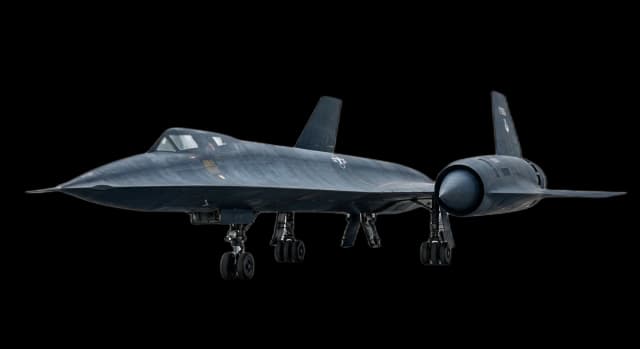
Kelly Johnson
3Clarence 'Kelly' Johnson ran Lockheed's Skunk Works with 14 rules that rejected aerospace bureaucracy in favor of small teams, rapid prototyping, and direct communication. The results: the P-38 Lightning, the P-80 (America's first operational jet fighter built in 143 days), the U-2, the SR-71 Blackbird, and the F-104 Starfighter. His management philosophy proved that small, empowered teams could consistently outperform organizations ten times their size.
Notable: Lockheed Martin SR-71 Blackbird
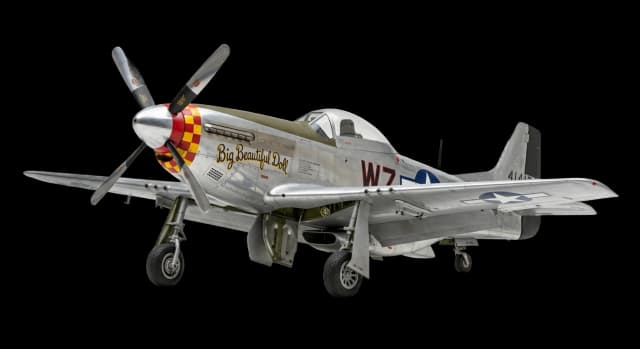
Edgar Schmued
2Austrian-born Edgar Schmued designed the P-51 Mustang in 117 days, creating the fighter that turned the air war over Europe. His revolutionary laminar-flow wing dramatically reduced drag, and when mated to a Rolls-Royce Merlin engine, the result was the first single-engine fighter capable of escorting bombers from England to Berlin and back. Eisenhower called it one of the decisive weapons of the war.
Notable: North American Aviation P-51 Mustang
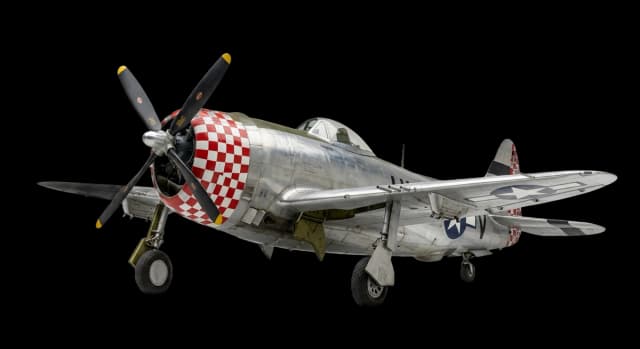
Alexander Kartveli
2Georgian-born Alexander Kartveli designed three generations of Republic fighters that defined American air power. The P-47 Thunderbolt was the heaviest single-engine fighter of World War II, devastating in the ground-attack role. The F-84 Thunderjet brought jet power to tactical aviation. The F-105 Thunderchief carried the burden of the early air war over North Vietnam, flying more missions against the North than any other aircraft. Each was bigger, heavier, and more capable than its predecessor -- Kartveli believed in power.
Notable: Republic Aviation Republic P-47 Thunderbolt
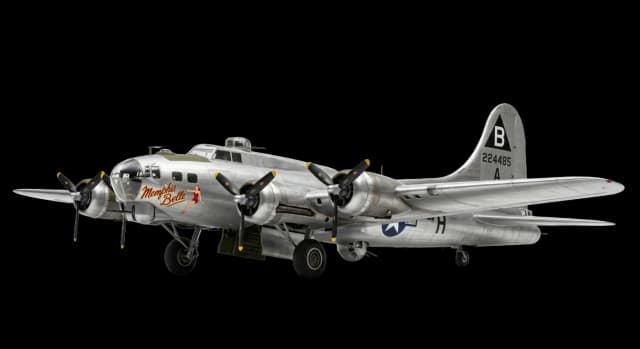
Edward Curtis Wells
2Edward Curtis Wells was Boeing's chief engineer during the company's most transformative era. He led the design of the B-17 Flying Fortress, the strategic bomber that became the backbone of the American daylight bombing campaign over Europe. Wells went on to oversee the B-29 Superfortress, the most technologically advanced aircraft of World War II and the bomber that ended the war. His engineering philosophy of methodical improvement over radical innovation defined Boeing's approach for decades.
Notable: Boeing B-17 Flying Fortress
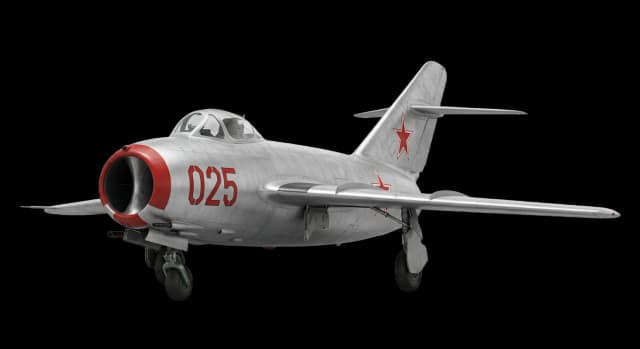
Artem Mikoyan
2Mikoyan-Gurevich
Notable: Mikoyan-Gurevich MiG-15
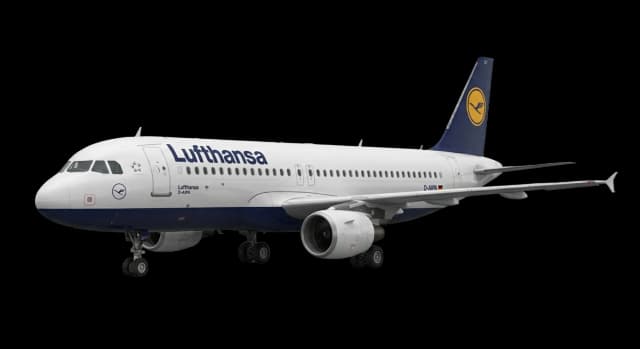
Airbus design team
2Airbus
Notable: Airbus Airbus A320
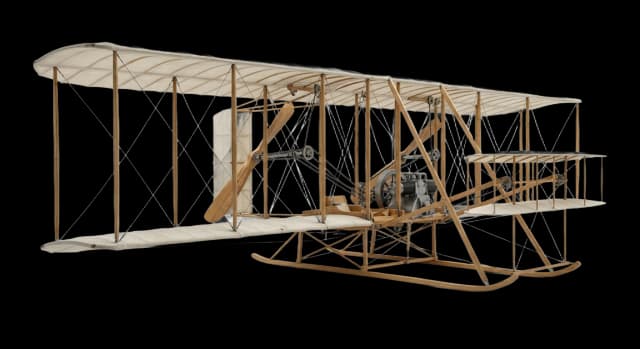
Orville and Wilbur Wright
1Orville and Wilbur Wright achieved the first powered, sustained, and controlled heavier-than-air flight at Kitty Hawk, North Carolina, on 17 December 1903. What set the Wrights apart from their contemporaries was their systematic, engineering-driven approach: they built their own wind tunnel, tested over 200 wing shapes, invented the three-axis control system that every aircraft still uses, and designed and built their own engine and propellers. The 12-second flight that changed the world was the product of years of rigorous experimentation.
Notable: Wright Brothers Wright Flyer
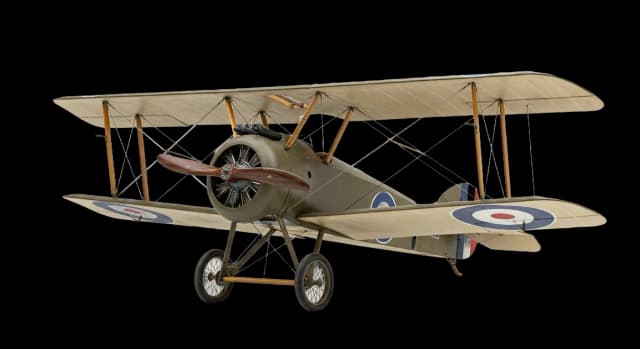
Herbert Smith
1Sopwith Aviation
Notable: Sopwith Aviation Sopwith Camel
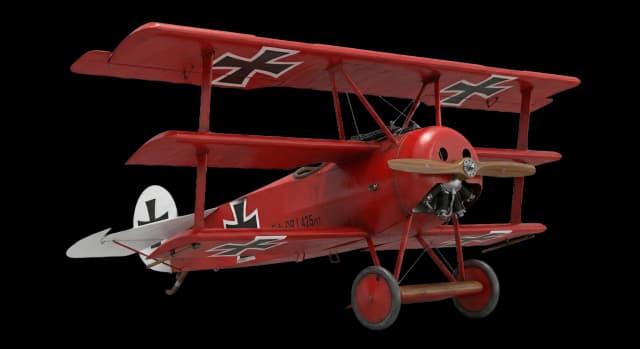
Reinhold Platz
1Reinhold Platz was the chief designer at Fokker during World War I, creating the Dr.I triplane immortalised by the Red Baron and the D.VII, widely regarded as the finest fighter of the war. A self-taught engineer who never attended university, Platz pioneered welded steel tube fuselage construction and cantilever wing design. The Treaty of Versailles specifically demanded the surrender of all D.VII aircraft -- the only weapon singled out by name in the armistice terms.
Notable: Fokker Fokker Dr.I
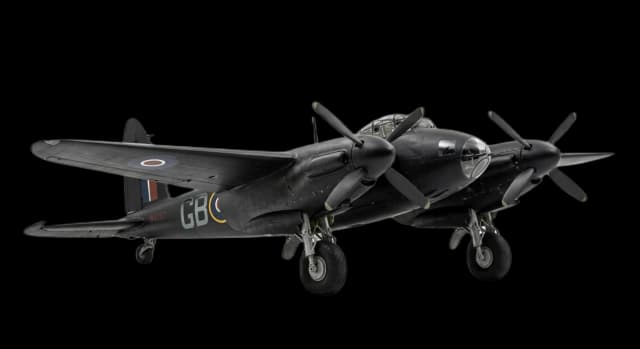
Geoffrey de Havilland
1Geoffrey de Havilland built the Mosquito when the Air Ministry said a wooden bomber was retrograde. He was right; they were wrong. The 'Wooden Wonder' outran every fighter in the Luftwaffe and achieved the lowest loss rate in Bomber Command. He later produced the Comet, the world's first commercial jet airliner, and the Vampire, one of the first jet fighters. His willingness to challenge orthodoxy produced some of the most innovative aircraft in British history.
Notable: de Havilland Mosquito
E. Gifford Emery
1Boeing
Notable: Boeing B-17 Flying Fortress
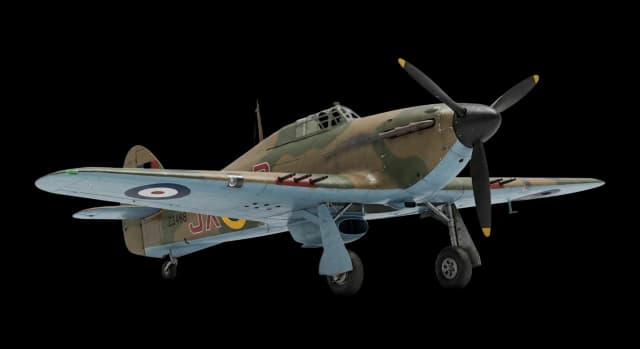
Sydney Camm
1Sydney Camm designed the Hawker Hurricane, the fighter that destroyed more enemy aircraft during the Battle of Britain than all other defences combined. While the Spitfire captured the public imagination, it was Camm's Hurricane that bore the brunt of the fighting. He went on to design the Sea Fury, the fastest piston-engine fighter to enter service, and the revolutionary Hawker P.1127 that evolved into the Harrier, the world's first operational vertical takeoff jet fighter. Camm's career spanned from biplanes to VTOL -- few designers matched that range.
Notable: Hawker Aircraft Hawker Hurricane
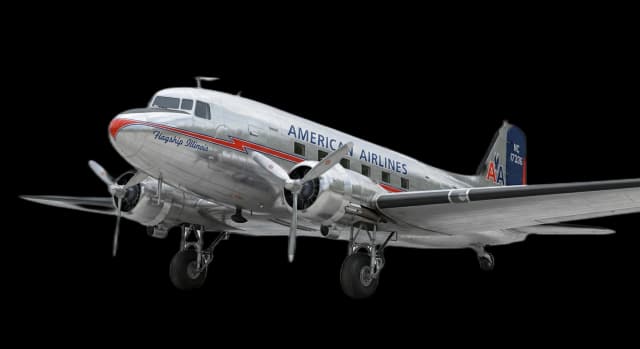
Arthur Raymond
1Arthur Raymond was the chief engineer behind the Douglas DC-3, the aircraft that made commercial aviation economically viable for the first time. Before the DC-3, airlines could not make money carrying passengers alone -- they depended on airmail contracts. Raymond's design changed that equation permanently. The DC-3 and its military variant, the C-47 Skytrain, became the most important transport aircraft of World War II. Eisenhower listed it among the four most decisive weapons of the war.
Notable: Douglas Aircraft DC-3
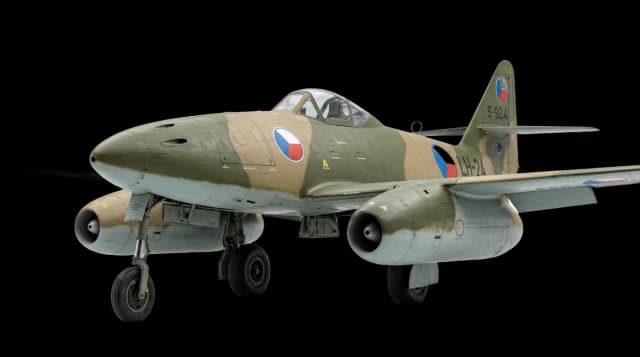
Willy Messerschmitt
1Willy Messerschmitt designed the two most consequential German aircraft of World War II. The Bf 109 became the most-produced fighter in history, with over 34,000 built, combining innovative aerodynamics with practical mass-production requirements. The Me 262 Schwalbe was the world's first operational jet fighter, proving that jet propulsion would dominate military aviation. Together, they represent the apex and the future of their respective technologies.
Notable: Messerschmitt Me 262
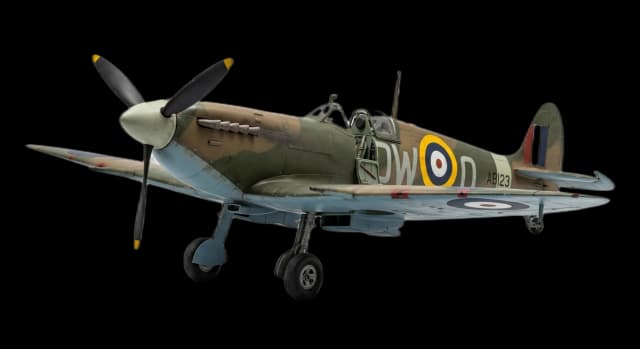
R.J. Mitchell
1The genius behind the Spitfire died at 42, a year before his creation flew. R.J. Mitchell's background in Schneider Trophy racing seaplanes directly informed the Spitfire's aerodynamic excellence -- its elliptical wing was designed for minimum drag at high speed while maximizing internal volume. The Southampton S.6B, which won the Schneider Trophy outright in 1931, was the direct ancestor of the fighter that saved Britain.
Notable: Supermarine Spitfire
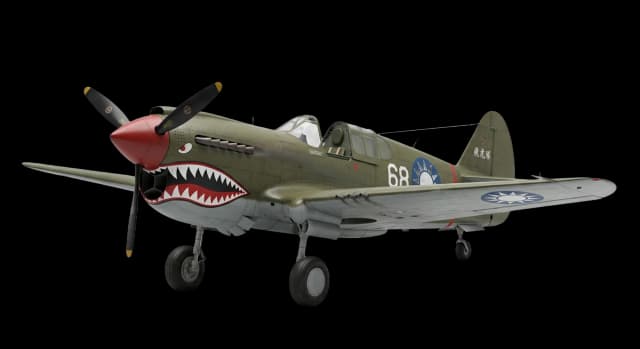
Donovan Berlin
1Curtiss Aeroplane
Notable: Curtiss Aeroplane P-40 Warhawk
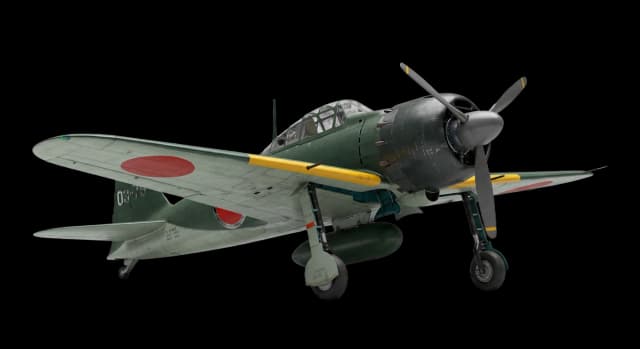
Jiro Horikoshi
1Jiro Horikoshi designed the Mitsubishi A6M Zero, the fighter that gave Japan air supremacy across the Pacific in the early years of World War II. By ruthlessly minimizing weight -- eliminating armour plate, self-sealing fuel tanks, and structural redundancy -- Horikoshi achieved a combination of range and agility that stunned Allied pilots at Pearl Harbor and across Southeast Asia. The Zero's dominance lasted until American pilots learned to exploit the very vulnerabilities that made it so light.
Notable: Mitsubishi Aircraft Mitsubishi A6M Zero
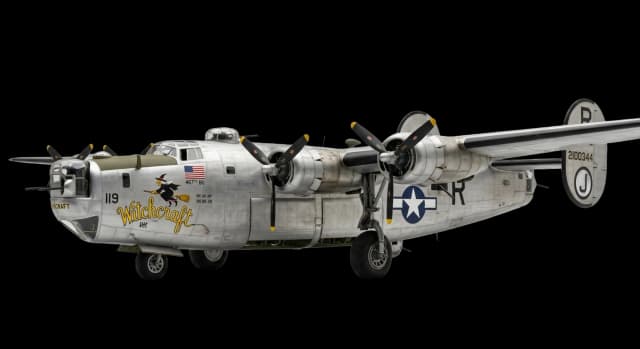
Isaac M. Laddon
1Consolidated Aircraft
Notable: Consolidated Aircraft Consolidated B-24 Liberator
R.E. Bishop
1R.E. Bishop succeeded Geoffrey de Havilland as chief designer and created the de Havilland Mosquito, the 'Wooden Wonder' that outran every fighter in the Luftwaffe. Built from balsa and plywood when metal was scarce, the Mosquito served as bomber, fighter, pathfinder, photo-reconnaissance, and anti-shipping strike aircraft. It achieved the lowest loss rate of any aircraft in Bomber Command, vindicating de Havilland's controversial decision to build a wooden combat aircraft.
Notable: de Havilland Mosquito
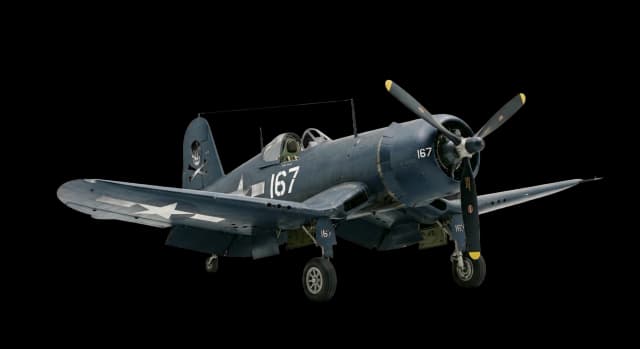
Rex Beisel
1Vought
Notable: Vought Vought F4U Corsair
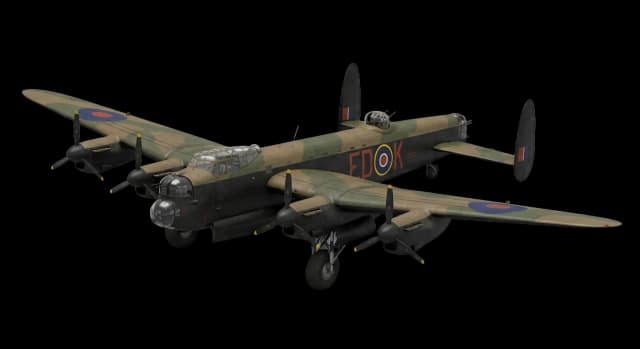
Roy Chadwick
1Roy Chadwick designed the Avro Lancaster, the backbone of RAF Bomber Command and the aircraft that carried Barnes Wallis's bouncing bombs on the legendary Dambusters raid. The Lancaster could lift a heavier bomb load than any other Allied heavy bomber, including the 22,000 lb Grand Slam, and flew 156,000 sorties over Europe. Chadwick also designed the Avro Vulcan delta-wing bomber, one of the most striking aircraft of the Cold War, but died in a crash of the Avro Tudor before seeing it fly.
Notable: Avro Lancaster
Woldemar Voigt
1Messerschmitt
Notable: Messerschmitt Me 262
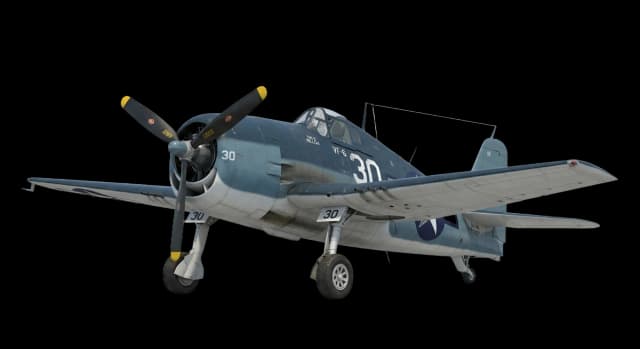
Leroy Grumman / William Schwendler
1Grumman
Notable: Grumman F6F Hellcat
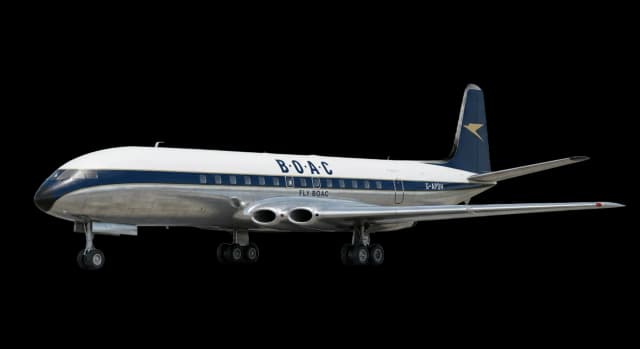
Ronald Bishop
1de Havilland
Notable: de Havilland de Havilland Comet
Edward Wells
1Edward Curtis Wells was Boeing's chief engineer during the company's most transformative era. He led the design of the B-17 Flying Fortress, the strategic bomber that became the backbone of the American daylight bombing campaign over Europe. Wells went on to oversee the B-29 Superfortress, the most technologically advanced aircraft of World War II and the bomber that ended the war.
Notable: Boeing B-17 Flying Fortress
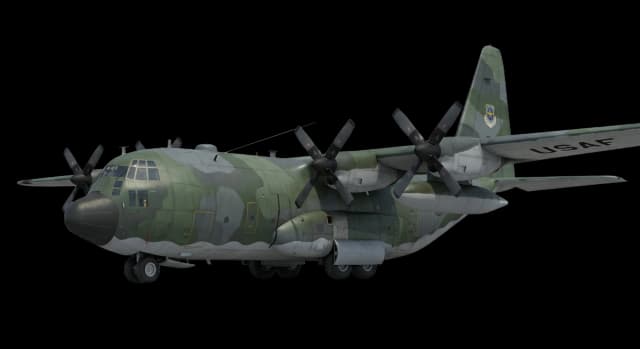
Willis Hawkins
1Willis Hawkins led the Lockheed team that designed the C-130 Hercules, arguably the most versatile military aircraft ever built. First flown in 1954, the Hercules has served in more roles than any other airframe: tactical transport, gunship, aerial refuelling, search and rescue, weather reconnaissance, firefighting, and Antarctic supply. The C-130 has been in continuous production for over 70 years -- the longest production run of any military aircraft in history.
Notable: Lockheed Martin C-130 Hercules
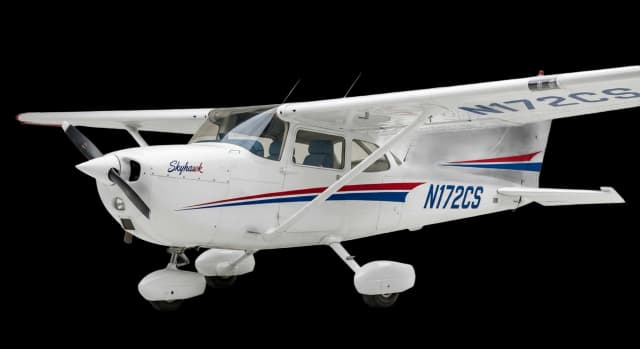
Cessna engineering team
1Cessna
Notable: Cessna Cessna 172 Skyhawk
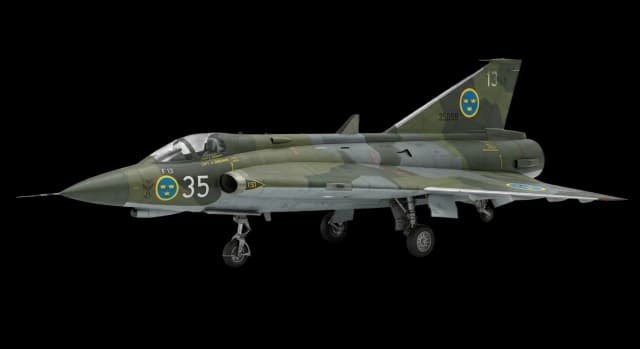
Erik Bratt
1Saab
Notable: Saab Saab 35 Draken
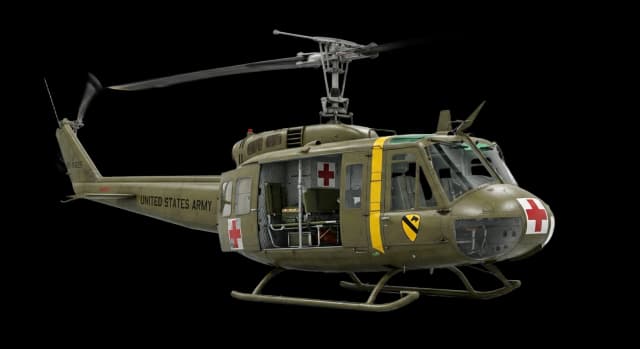
Bartram Kelley
1Bell Aircraft
Notable: Bell Aircraft UH-1 Huey
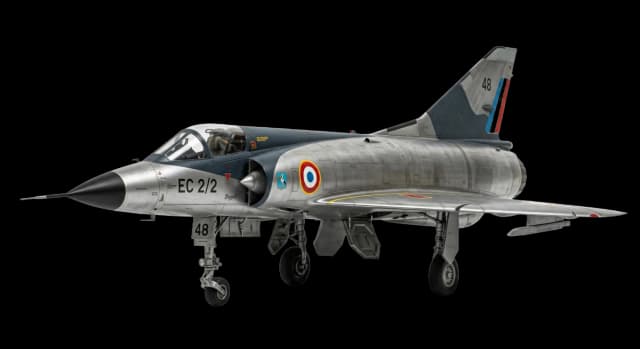
Marcel Dassault
1Marcel Dassault founded his company on the principle that 'a beautiful aircraft flies well.' His tailless delta-wing Mirage III was a bold gamble that paid off spectacularly -- it became the most successful European fighter export of the Cold War, serving in 20 air forces and proving lethal in Israeli hands during the Six-Day War. The Mirage family spawned decades of derivatives, and the Rafale carries his design philosophy into the 21st century.
Notable: Dassault Aviation Mirage III
Herman Barkey
1Herman Barkey led the Sikorsky team that designed the UH-60 Black Hawk, the utility helicopter that replaced the iconic Bell UH-1 Huey as the backbone of US Army aviation. The Black Hawk was designed to survive in the modern battlefield -- with redundant flight systems, crashworthy structure, and the ability to fly on one engine. Over 4,000 have been built, serving in every American military operation since the 1980s and becoming the standard military utility helicopter of the Western world.
Notable: Bell Aircraft UH-1 Huey
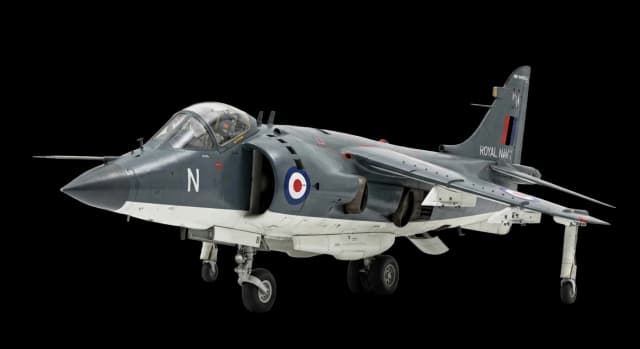
Sidney Camm / Ralph Hooper
1Hawker Siddeley
Notable: Hawker Siddeley Harrier
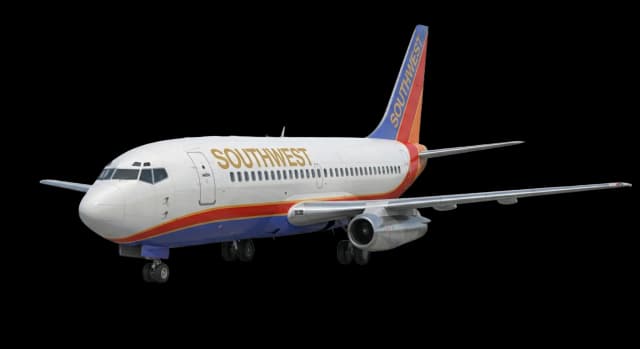
Jack Steiner
1Boeing
Notable: Boeing 737
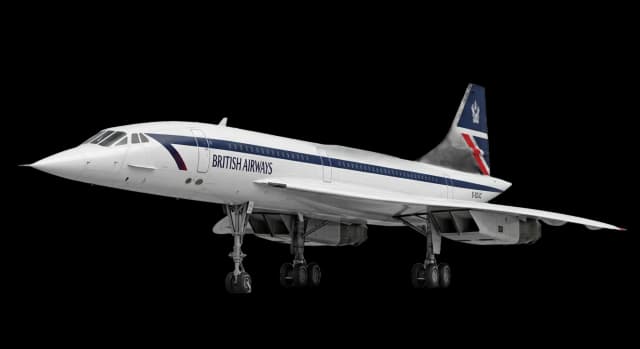
Pierre Satre / Archibald Russell
1Pierre Satre of Aerospatiale and Archibald Russell of BAC led the Anglo-French team that designed Concorde, the only supersonic airliner to achieve sustained commercial service. The engineering challenges were staggering: a delta wing that worked at both Mach 2 and 160 knots, a drooping nose for landing visibility, and a fuel transfer system that shifted the centre of gravity in flight. Concorde cruised at 60,000 feet, twice the speed of sound, for 27 years of commercial service -- a feat unlikely to be repeated.
Notable: Aerospatiale/BAC Concorde
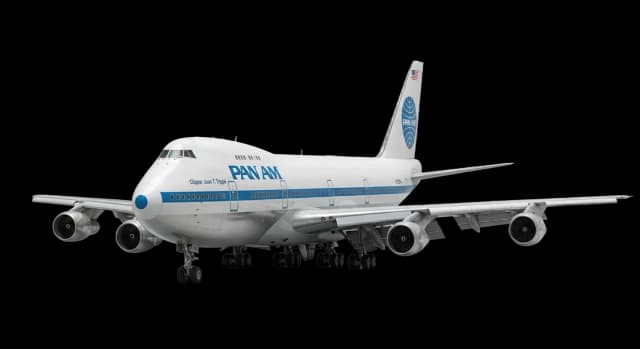
Joe Sutter
1Joe Sutter assembled a team of 4,500 engineers and designed the Boeing 747 in 29 months. The aircraft's distinctive upper-deck hump was a practical solution for nose-loading cargo conversion, not a design flourish. Boeing bet the company on the result. The 747 remained in production for 54 years, outlasting every aircraft designed to replace it, and carried more passengers than any other aircraft type in history.
Notable: Boeing 747
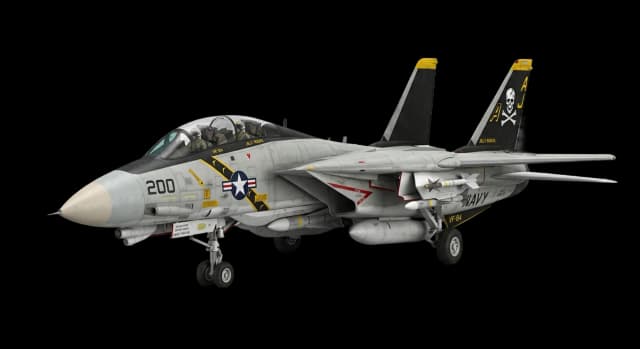
Mike Pelehach
1Grumman
Notable: Grumman F-14 Tomcat
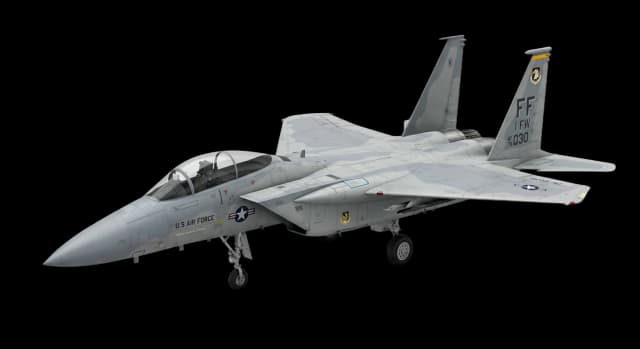
George Graff
1McDonnell Douglas
Notable: McDonnell Douglas F-15 Eagle
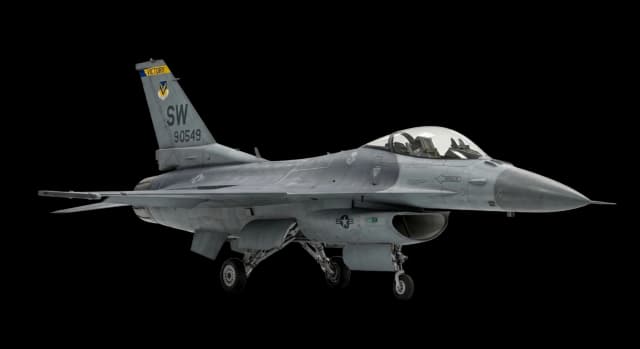
Harry Hillaker
1Harry Hillaker was the father of the F-16 Fighting Falcon, the most produced Western fighter jet in history. As chief designer of the Lightweight Fighter programme, Hillaker championed a small, agile, high-g aircraft when the Air Force establishment wanted bigger and heavier. His fly-by-wire, relaxed-stability design was revolutionary -- the F-16 was the first production fighter intentionally designed to be aerodynamically unstable, making it phenomenally manoeuvrable. Over 4,600 have been built for 25 nations.
Notable: General Dynamics F-16 Fighting Falcon
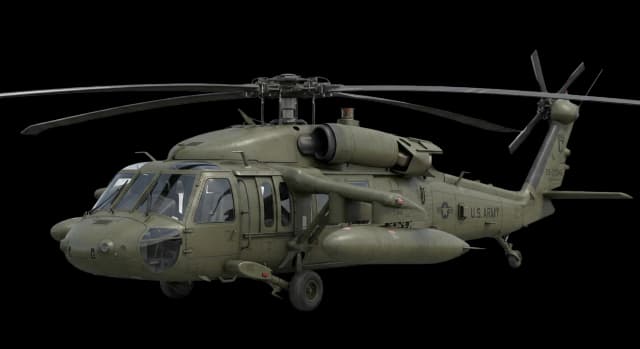
Sikorsky engineering team
1Sikorsky Aircraft
Notable: Sikorsky Aircraft UH-60 Black Hawk
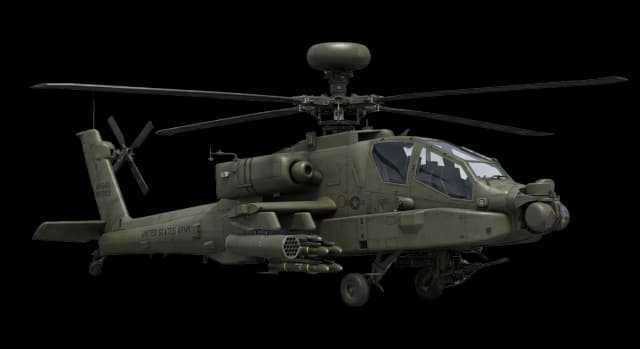
Hughes Helicopters design team
1Boeing
Notable: Boeing AH-64 Apache
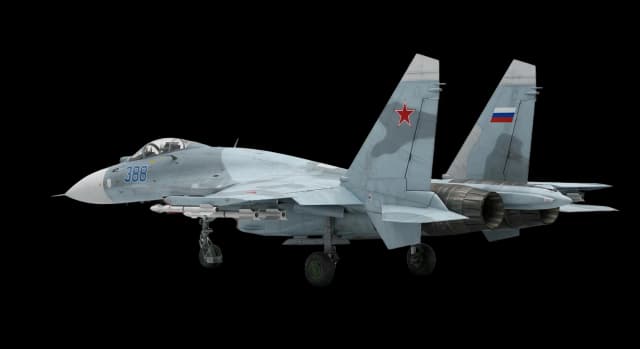
Pavel Sukhoi / Mikhail Simonov
1Sukhoi
Notable: Sukhoi Su-27 Flanker
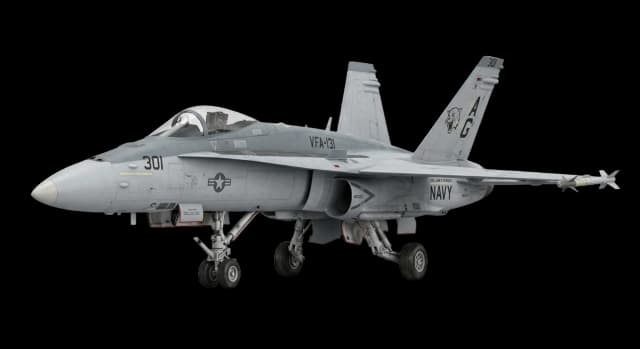
Lee Begin
1McDonnell Douglas
Notable: McDonnell Douglas F/A-18 Hornet
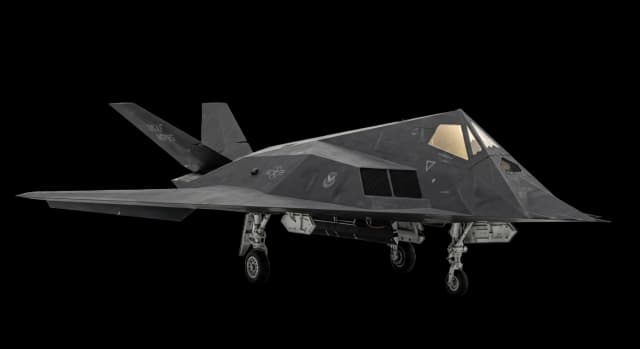
Ben Rich
1Ben Rich succeeded Kelly Johnson as head of Lockheed's Skunk Works and led the development of the F-117 Nighthawk, the world's first operational stealth aircraft. Rich took the theoretical work of Soviet physicist Pyotr Ufimtsev on radar cross-section reduction and turned it into a flying machine that was virtually invisible to radar. The F-117 transformed military aviation -- after its success in the Gulf War, every major fighter programme in the world adopted stealth as a core requirement.
Notable: Lockheed Martin F-117 Nighthawk
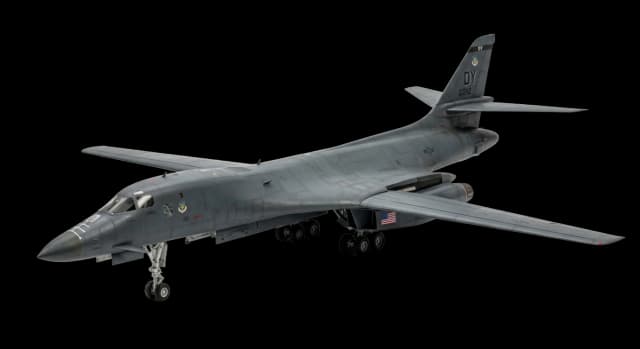
Rockwell International team
1Rockwell International
Notable: Rockwell International Rockwell B-1B Lancer
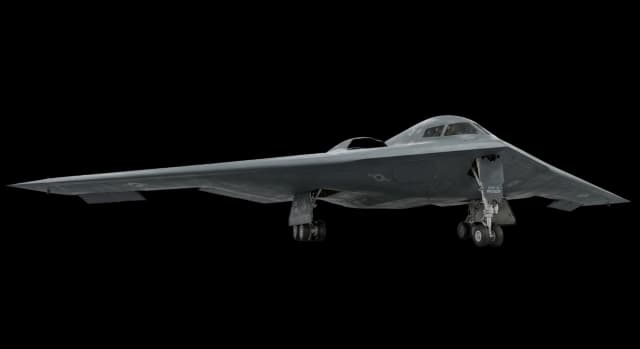
John Cashen
1John Cashen was the Northrop Grumman programme manager and chief designer of the B-2 Spirit, the world's only stealth strategic bomber. The B-2's flying-wing shape, first conceived by Jack Northrop in the 1940s, was finally made practical by fly-by-wire computers and composite materials. Cashen's team produced an aircraft with the radar cross-section of a large insect despite a 172-foot wingspan. At over $2 billion per aircraft, the B-2 is the most expensive aircraft ever built.
Notable: Northrop Grumman B-2 Spirit
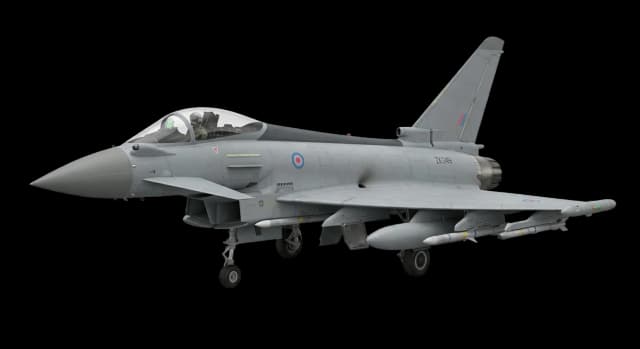
Multinational team
1Eurofighter
Notable: Eurofighter Eurofighter Typhoon
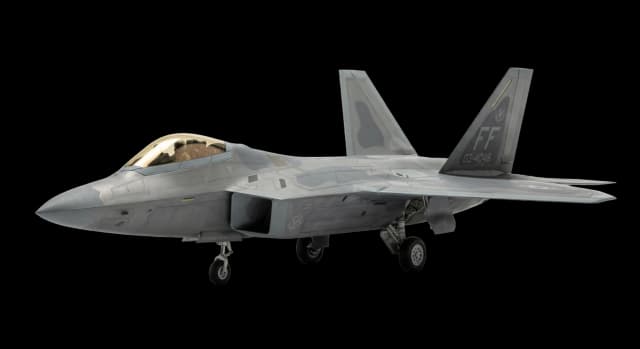
Lockheed Martin Skunk Works
1Lockheed Martin
Notable: Lockheed Martin Lockheed Martin F-22 Raptor
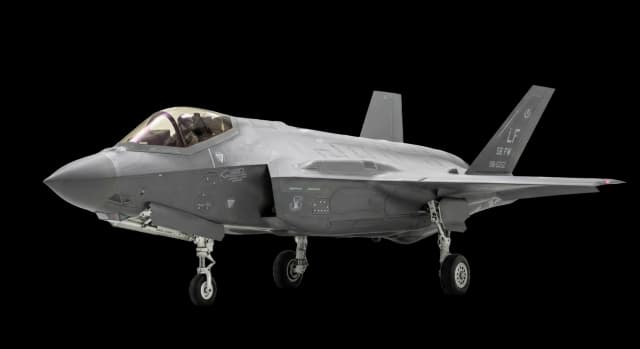
Lockheed Martin team
1Lockheed Martin
Notable: Lockheed Martin Lockheed Martin F-35 Lightning II
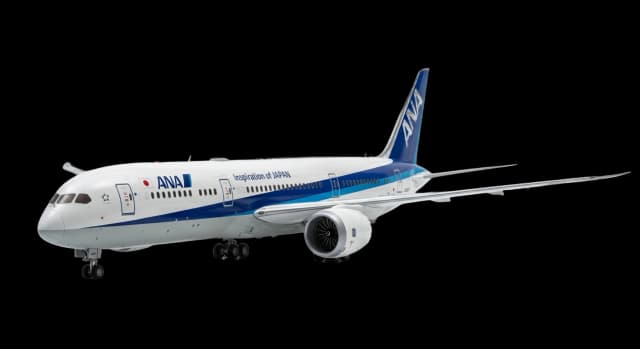
Boeing design team
1Boeing
Notable: Boeing Boeing 787 Dreamliner
